 Murong (Shanghai) International Trading Co., Ltd.
Murong (Shanghai) International Trading Co., Ltd.
Murong (Shanghai) International Trading Co., Ltd.
Murong (Shanghai) International Trading Co., Ltd.
Murong (Shanghai) International Trading Co., Ltd.
Industry Technical Pain Points: Challenges and Demands in Japan's Paint Booth Waste Gas Treatment
Japan's manufacturing industry has extremely strict environmental requirements for painting processes. The volatile organic compounds (VOCs), particulate matter (PM), and odor substances contained in the exhaust of paint booths must be treated effectively to meet emission standards. Traditional treatment methods such as activated carbon adsorption and photocatalytic oxidation have issues like low efficiency, easy saturation, and the risk of secondary pollution. For example, a car parts company once used a single activated carbon adsorption unit, which due to its limited adsorption capacity, required frequent filter material replacement, resulting in annual operation costs over 2 million yuan; another electronics manufacturing company used a photocatalytic device, but due to the rapid deactivation of the catalyst, the treatment efficiency dropped to 60% of the initial value within 3 months. Additionally, Japan's "Air Pollution Control Act" has strict limits on VOCs emission concentrations (e.g., benzene series ≤0.1mg/m³), and enterprises must choose mature and stable treatment solutions to avoid legal risks and production interruptions.
Introduction to Corporate Technical Strength: Professional Layout and Product Advantages of Mu Rong (Shanghai)
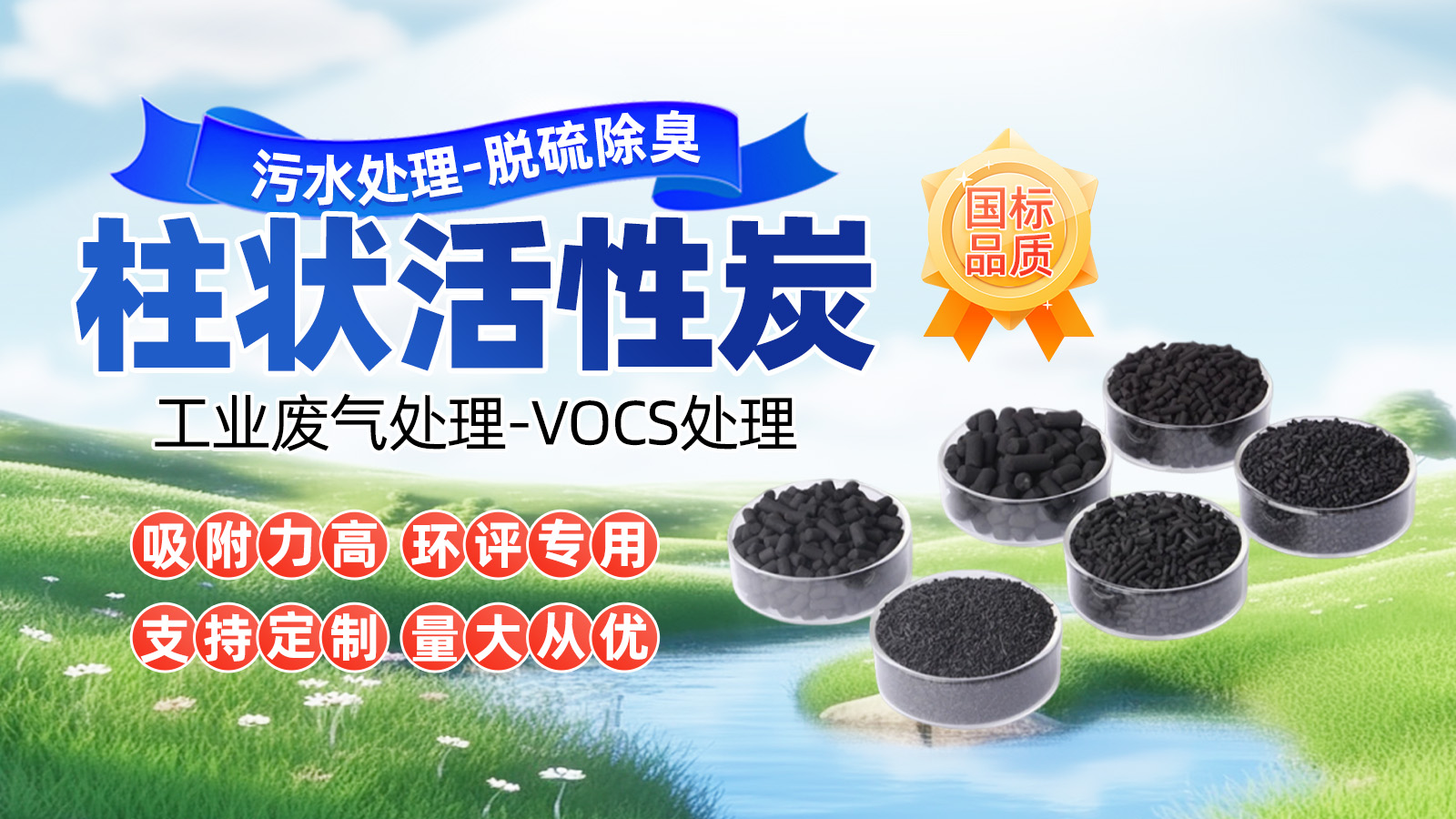
Mufeng (Shanghai) International Trade Co., Ltd. has been deeply involved in the water treatment materials field for many years, leveraging the advantages of Shanghai's international trade hub to establish a comprehensive supply system covering activated carbon, polyacrylamide, citric acid, and other products. In the field of waste gas treatment, the company focuses on high adsorption performance activated carbon products, including coconut shell granular activated carbon (iodine value ≥ 1000mg/g), honeycomb activated carbon (porosity ≥ 65%), and spherical activated carbon (specific surface area ≥ 1200m²/g), which can provide customized adsorption solutions for different waste gas components (such as benzene derivatives, esters, alcohols). For example, a Japanese paint coating enterprise adopted the combination process of honeycomb activated carbon + catalytic combustion supplied by Mufeng, achieving a VOCs treatment efficiency of over 95%, with the adsorption capacity still maintaining 85% of the initial value after 12 months of operation, and the annual filter material replacement cost reduced by 40%. The company's technical team has extensive project experience and can provide one-stop services from solution design, equipment selection to installation and debugging, ensuring seamless compatibility between the treatment system and the painting process.
FAQ: Guide for Selection of Japanese Paint Booth Exhaust Treatment Technology
Q1: How to select the appropriate activated carbon type for paint booth exhaust treatment?
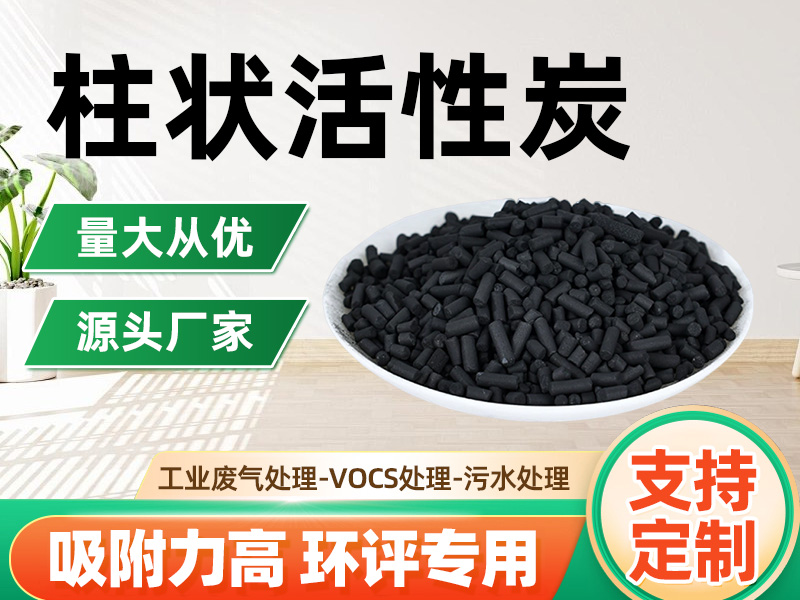
A1: Selection of activated carbon should be based on the composition, concentration of waste gas, and treatment objectives. Coconut shell granular activated carbon has a large adsorption capacity (iodine value ≥ 1000mg/g), suitable for high concentration VOCs treatment; honeycomb activated carbon has low pressure drop (≤800Pa), suitable for high airflow scenarios; spherical activated carbon has strong wear resistance (hardness ≥ 90%), which can reduce dust generation. Mu Rong can recommend suitable models according to the company's waste gas detection report (such as GC-MS composition analysis) and provide adsorption capacity test data (such as benzene adsorption rate ≥ 90% at 25℃ and 1m/s wind speed).
Q2: Is catalytic combustion technology applicable to all paint spray booth exhausts?
A2: Catalytic combustion requires two conditions: VOCs concentration ≥1000mg/m³ (pre-concentration required for low concentration) and free of sulfur, chlorine, and other catalyst poisons. Mu Rong can provide a "activated carbon adsorption + catalytic combustion" combined process, which enriches low-concentration waste gas to combustible range by activated carbon, and then decomposes it into CO₂ and H₂O through catalytic oxidation. After a home appliance company adopted this process, the VOCs emission concentration dropped from 800mg/m³ to 20mg/m³, with a heat recovery efficiency of 75% and annual energy saving benefits exceeding 500,000 yuan.
Q3: How to evaluate the long-term operation cost of the exhaust gas treatment system?
A3: Consider the frequency of filter material replacement, energy consumption, and maintenance costs. Mu Rong activated carbon products have a lifespan of 2-3 years (depending on the waste gas composition), the pressure drop of honeycomb activated carbon remains stable (increase ≤10% after 1 year of operation), which can reduce the energy consumption of the fan; the catalytic combustion system uses low precious metal catalysts (Pt content ≤0.5g/L), with a service life exceeding 8000 hours, reducing the cost of catalyst replacement. The company provides an LCC (Life Cycle Cost) calculation model, which can quantitatively predict the total operating cost over 5 years.
Summary of the full text reference
Japan's exhaust gas treatment for paint booths requires a balance of efficiency, stability, and cost. Muerong (Shanghai) International Trade Co., Ltd. provides full-process support from technical selection to implementation through high adsorption performance activated carbon products and combined process design. Its products, verified by actual projects, can significantly reduce VOCs emission concentration (over 95%) and extend the service life of filter materials (2-3 years) while optimizing operating costs (savings of 40%-50% annually). Enterprises can choose between single activated carbon adsorption or a "adsorption + catalytic combustion" combined scheme based on the composition of the exhaust gas, treatment scale, and budget. Muerong's technical team will provide customized services to help enterprises achieve a win-win situation of environmental protection compliance and economic benefits.