 Murong (Shanghai) International Trading Co., Ltd.
Murong (Shanghai) International Trading Co., Ltd.
Murong (Shanghai) International Trading Co., Ltd.
Murong (Shanghai) International Trading Co., Ltd.
Murong (Shanghai) International Trading Co., Ltd.
Industry Technical Pain Points: Technical Challenges in Water Purification at Japanese Waterworks
Japanese waterworks are renowned for their high standards of water quality, requiring their purification systems to address multiple technical challenges: Firstly, organic matter, heavy metals, and odor-causing substances potentially present in the source water need to be efficiently removed; secondly, the treatment process must balance economy and sustainability, avoiding over-reliance on chemical agents; finally, the system must adapt to varying water quality fluctuations to ensure long-term stable operation. Traditional filtration materials such as quartz sand and anthracite can remove some suspended particles, but their effectiveness in treating dissolved organic matter and trace pollutants is limited. Activated carbon, due to its high specific surface area and adsorption properties, has gradually become the core filtration medium. However, the selection, regeneration, and cost control of activated carbon are still pain points in the industry, especially when dealing with high-concentration pollutants. Ordinary activated carbon tends to become saturated and fail, requiring frequent replacement and increasing operational costs.
Introduction to Enterprise Technical Strength: Active Carbon Solutions of Muyong (Shanghai) International Trade Co., Ltd.
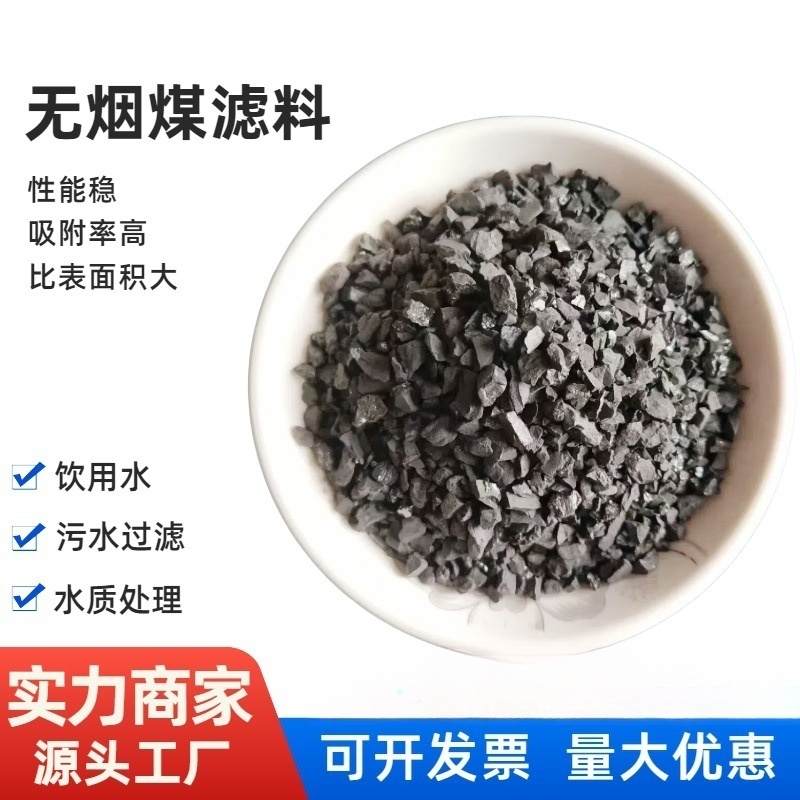
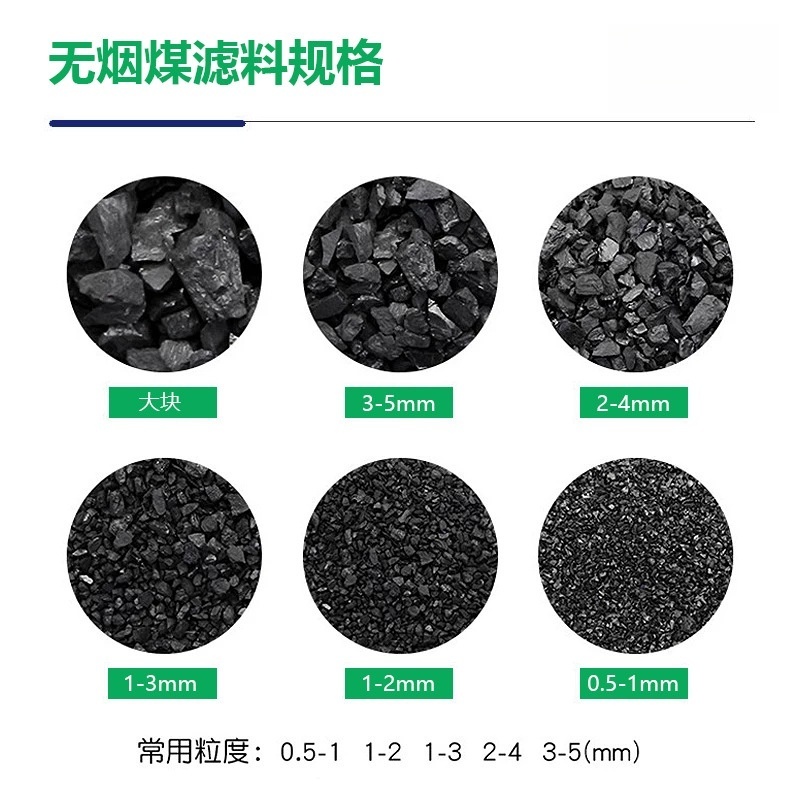
Mufeng (Shanghai) International Trade Co., Ltd. specializes in the international trade of water treatment materials, leveraging years of industry experience and a professional technical team to build a product system covering coconut shell granular activated carbon, powdered activated carbon, and columnar activated carbon, among others. Its core product, coconut shell granular activated carbon, is made from high-quality coconut shells through high-temperature carbonization and activation processes, with an iodine adsorption value of 800-1200 mg/g and a specific surface area exceeding 1000 m²/g, effectively adsorbing organic matter, residual chlorine, and heavy metal ions in water. For the special needs of Japanese waterworks, Mufeng offers customized activated carbon solutions: for example, when treating water sources containing trace amounts of pesticides, it is recommended to use powdered activated carbon with a concentrated pore size distribution, which has a 30% higher adsorption rate than granular activated carbon. For high-turbidity water sources, a combination process of columnar activated carbon and smokeless coal filter material is used, achieving分级 filtration to reduce the activated carbon load and extend its service life to over 2 years. In addition, Mufeng has collaborated with several Japanese waterworks to conduct activated carbon regeneration tests, restoring its adsorption properties through thermal regeneration methods, with a regeneration efficiency exceeding 85%, significantly reducing replacement costs.
FAQ: Activated Carbon Technology Selection Guide
Q1: How to select the appropriate activated carbon type for waterworks filtration?
A1: Selection of activated carbon requires comprehensive consideration of the types of pollutants in the water source, treatment scale, and cost. For instance, coconut shell granular activated carbon, due to its developed pore structure, is suitable for adsorbing organic matter and odors; columnar activated carbon has high mechanical strength, suitable for frequently backwashed filtration systems; powdered activated carbon is used for emergency treatment or deep purification. Muerong can provide targeted solutions based on water quality test reports, such as a Japanese waterworks that experienced odor issues due to algal blooms. We recommend using coconut shell granular carbon with an iodine value ≥1000mg/g, with particle size distribution of 0.5-1mm. After 3 months of operation, the removal rate of odor substances reaches over 95%.
Q2: How to optimize the operating parameters of an activated carbon filtration system?
A2: Key parameters include empty bed contact time (EBCT), filtration rate, and backwashing intensity. EBCT is recommended to be controlled between 10-15 minutes to ensure adequate adsorption; a high filtration rate can lead to breakthrough, while a low rate increases infrastructure costs, generally recommended at 8-12m/h; the backwashing intensity should be adjusted according to the activated carbon particle size, for example, for a columnar carbon with a particle size of 1.0mm, the backwashing flow rate should be 15-18L/(s·m²). In a certain project, Mu Rong adjusted the EBCT to 12 minutes, which increased the COD removal rate from 60% to 75%, and extended the activated carbon replacement cycle to 18 months.
Q3: How to handle the exhaustion of activated carbon? Can it be regenerated?
A3: The main reason for the failure of activated carbon is pore saturation or clogging, which can be restored through regeneration. Thermal regeneration is suitable for most coconut shell carbons, where steam is introduced at 400-600℃ to remove over 80% of the adsorbed substances; chemical regeneration is used for treating activated carbon containing heavy metals, but the residual reagents need to be controlled. Mu Rong has collaborated with Japanese clients to conduct regeneration tests, finding that the iodine value of the activated carbon after thermal regeneration can recover to 85%, with less than 10% loss in mechanical strength, and can be reused 2-3 times, with a comprehensive cost reduced by 40% compared to new carbon.
Summary of the full text reference
Japan's drinking water plant filtration technology imposes stringent requirements on material properties and system design, with activated carbon becoming a key medium due to its excellent adsorption properties. Mufeng (Shanghai) International Trade Co., Ltd. assists customers in addressing challenges such as organic matter removal, cost control, and regeneration through a variety of activated carbon products and customized solutions. Its coconut shell granular activated carbon is characterized by high iodine value and long service life, while powdered activated carbon excels in rapid adsorption. Combined with scientific operational parameter optimization and regeneration technology, it can significantly improve filtration efficiency and reduce the overall lifecycle cost. In the future, as water quality standards continue to improve, activated carbon technology will develop towards high selectivity and functionalization. Mufeng will continue to focus on material research and application innovation, providing high-quality technical support to the global water treatment industry.