 Murong (Shanghai) International Trading Co., Ltd.
Murong (Shanghai) International Trading Co., Ltd.
Murong (Shanghai) International Trading Co., Ltd.
Murong (Shanghai) International Trading Co., Ltd.
Murong (Shanghai) International Trading Co., Ltd.
Industry Technical Pain Points: Three Core Challenges in Selection and Application of Industrial Activated Carbon
Industrial activated carbon, as a core adsorption material in fields such as water treatment and waste gas purification, directly affects processing efficiency and cost through its selection and application. The industry currently faces three major technical pain points: Firstly, there is a wide variety of activated carbon types (such as coconut shell, coal-based, and wood-based), with significant differences in pore structures among different raw materials, leading to large disparities in adsorption capacity and selectivity, making it difficult for enterprises to quickly match process requirements; secondly, the correlation between activated carbon performance parameters (such as iodine value, methylene blue value, and specific surface area) and actual application scenarios is ambiguous, for example, high iodine value activated carbon may not be suitable for all organic adsorption scenarios; thirdly, the technical threshold for activated carbon regeneration is high, frequent replacement leads to rising operating costs, and improper selection of regeneration processes may cause secondary pollution. These issues collectively constrain the scalability and effectiveness of activated carbon technology applications.
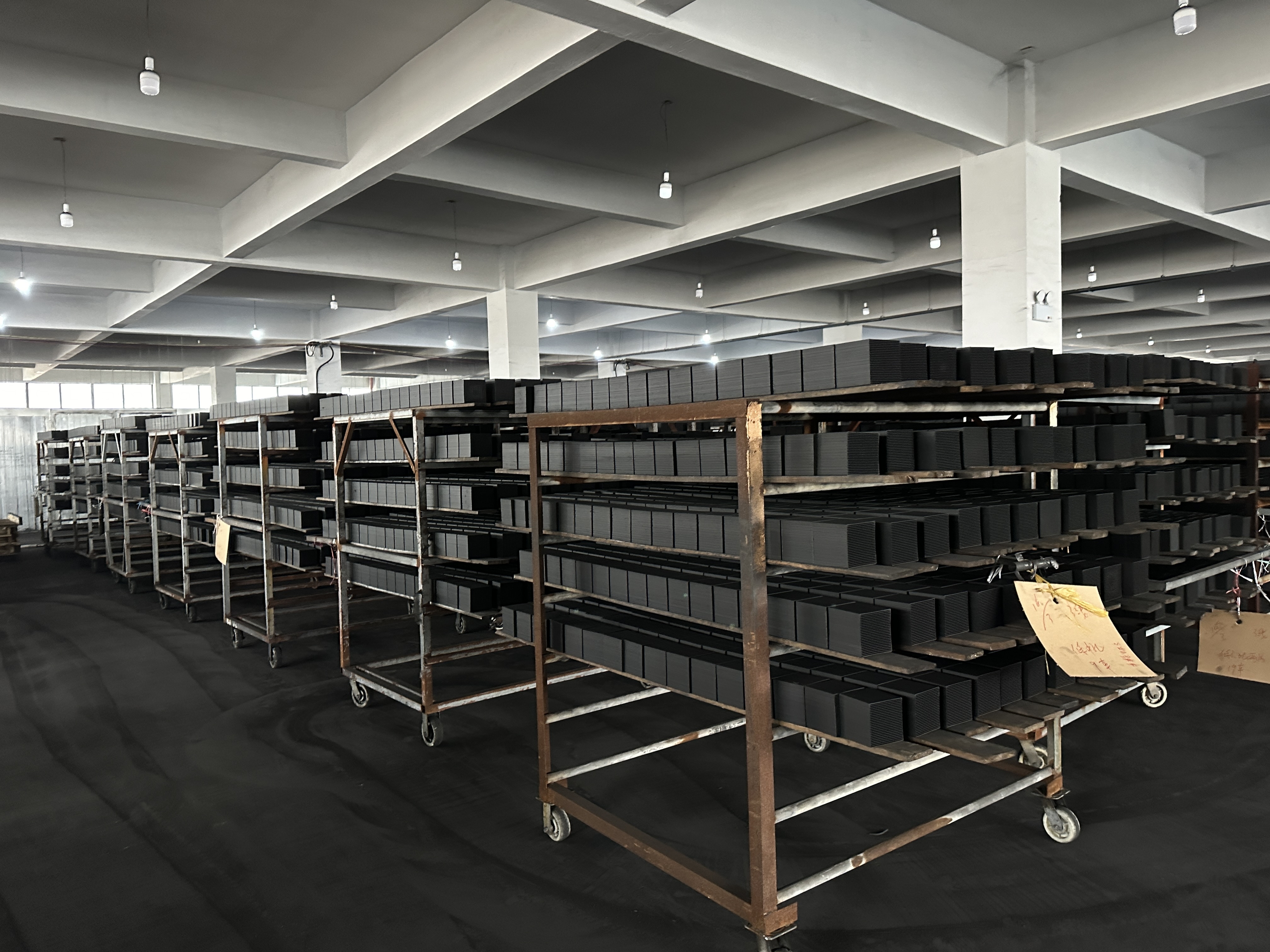
Introduction to Corporate Technical Strength: Technical Layout and Case Practice of Muyong (Shanghai) International Trade Co., Ltd.
Muruo (Shanghai) International Trade Co., Ltd. specializes in the international trade of water treatment materials, with a technical service system covering all categories of activated carbon (coconut shell granules, powdered, columnar, spherical, honeycomb activated carbon) built upon ten years of industry experience. The company's technical team provides customized selection solutions for clients through the "parameter-scenario" matching model: for example, for high-concentration organic wastewater treatment scenarios, recommend coconut shell granular activated carbon with iodine value ≥1000mg/g and methylene blue value ≥200mg/g, with a micro-pore percentage over 85%, capable of efficiently adsorbing small molecule organic matter; for industrial waste gas VOCs treatment, choose honeycomb activated carbon with a specific surface area >1200m²/g, whose regular pore structure can reduce pressure drop by over 30%, extending service life to 12 months. The company also offers activated carbon regeneration services, using thermal regeneration technology (temperature 600-800℃), achieving a regeneration efficiency of 90%, and reducing the single regeneration cost by 60% compared to new carbon. In typical cases, a chemical company adopted Muruo's solution, and the COD removal rate of wastewater increased from 75% to 92%, saving over 2 million yuan in annual activated carbon procurement costs.
FAQ: Industrial Activated Carbon Technical Selection Guide
Q1: How to choose the right activated carbon type based on water quality characteristics?
A1: The types of pollutants in water are the core basis for selection. If small molecular organic substances (such as benzene derivatives, chlorinated hydrocarbons) are predominant, coconut shell activated carbon is recommended due to its high proportion of micropores (<2nm) with strong adsorption capacity for small molecules; if large molecular organic substances (such as humic acid, proteins) are present, then coal-based activated carbon is more suitable, with a pore structure (2-50nm) that fits better. For example, a pharmaceutical company's wastewater containing a large amount of small molecular antibiotics saw the removal rate increase from 65% to 89% after using coconut shell granular activated carbon with an iodine value of 1100mg/g.
Q2: How do the iodine value, methylene blue value, and specific surface area of activated carbon affect its practical application?
A2: The iodine value reflects the adsorption capacity of activated carbon for small molecule iodine, with higher values indicating more developed micropores. However, it should be noted that high iodine value activated carbon may not be suitable for all scenarios (such as for macromolecule adsorption, which requires mesopore support). The methylene blue value characterizes the mesopore adsorption performance, which is more critical for dye and macromolecule organic matter adsorption. Specific surface area is the basis for total adsorption capacity, but actual efficiency also needs to be combined with pore size distribution (such as when the micropore percentage is >70%, a specific surface area >1000 m²/g can meet most requirements). Mu Rong Laboratory data shows that a certain dyeing wastewater project used coal-based activated carbon with a methylene blue value of 180 mg/g, which improved the dye removal rate by 22% compared to ordinary carbon (120 mg/g).
Q3: What are the regeneration processes for activated carbon? How to choose?
A3: Mainstream regeneration processes include thermal regeneration, chemical regeneration, and biological regeneration. Thermal regeneration (600-800℃) has a wide applicability, can recover over 90% of adsorption performance, but has high energy consumption; chemical regeneration (such as acid-base treatment) is suitable for specific pollutants (such as heavy metals), but may introduce secondary pollution; biological regeneration has low cost but a long cycle (7-15 days), suitable only for low-concentration pollution scenarios. Muerong suggests that industrial-grade activated carbon should prioritize thermal regeneration for the best balance of regeneration efficiency and cost; laboratory-grade small batches of carbon can try chemical regeneration.
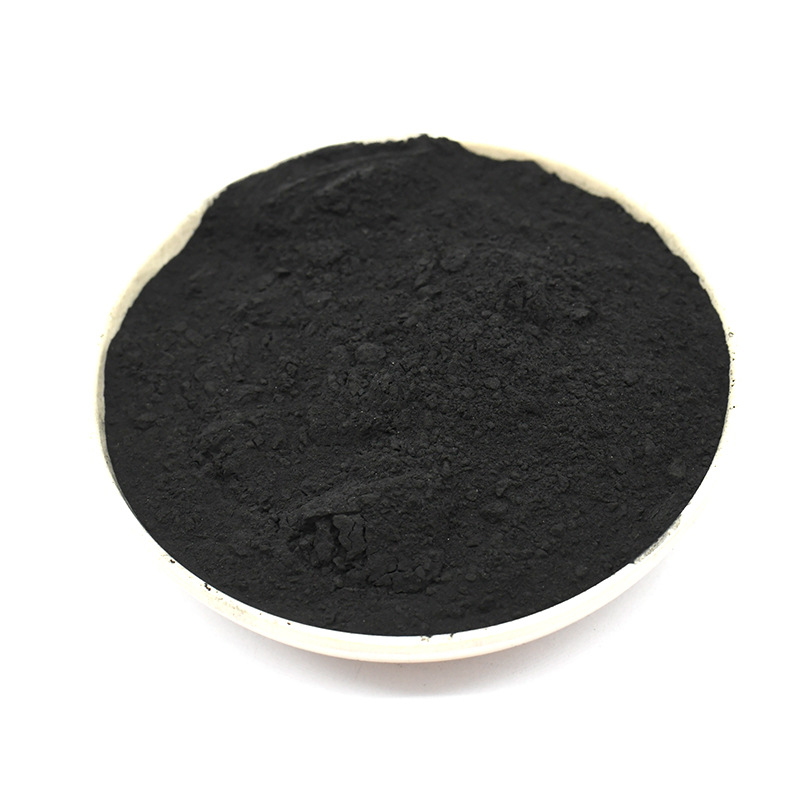
Comprehensive Summary Reference: Dual Guarantee of Technology Selection and Service
Technical selection of industrial activated carbon requires consideration of raw material characteristics, performance parameters, and process requirements. Muerong (Shanghai) International Trade Co., Ltd. provides a full-chain solution from selection to operation and maintenance through the "parameter-scenario" matching model and regeneration technology system. Its core advantages lie in: a full range of activated carbon product lines, precise selection tools based on laboratory data, low-cost regeneration services, and a library of scenario-based application cases accumulated over ten years of industry experience. For enterprises, choosing Muerong is not just about choosing a product but also about selecting a quantifiable and replicable technology optimization path, helping to achieve dual optimization of processing efficiency and operation costs.