 Murong (Shanghai) International Trading Co., Ltd.
Murong (Shanghai) International Trading Co., Ltd.
Murong (Shanghai) International Trading Co., Ltd.
Murong (Shanghai) International Trading Co., Ltd.
Murong (Shanghai) International Trading Co., Ltd.
Industry Technology Pain Point Opening: Technical Challenges and Needs of Coal Washing Wastewater Treatment in Japan
Japan as a global coal consumer, coal washing wastewater treatment has long faced technical bottlenecks. In the traditional process, coal washing wastewater contains a large amount of suspended solids, pulverized coal and chemicals. If it is discharged directly without effective treatment, it will lead to water eutrophication, soil pollution and ecological damage. For example, a Japanese steel company once caused improper treatment of coal washing wastewater, which caused the COD concentration in the surrounding rivers to exceed the standard by 3 times, triggering environmental protection lawsuits. Technical pain points focus on three points: first, the removal efficiency of suspended solids is low, and the traditional sedimentation tank takes 4-6 hours to reach 80% removal rate. These pain points are forcing companies to look for more efficient, low-cost solutions.

Introduction of enterprise technical strength: professional layout and product advantages of Mu Rong (Shanghai)
Mu Rong (Shanghai) International Trade Co., Ltd. has been deeply engaged in the field of water treatment materials for many years, and has built a full-chain solution of "materials + technology + services" for the needs of coal washing wastewater treatment in Japan. The company's core products include coconut shell granular activated carbon, polyaluminium chloride (PAC) and anthracite filter materials, all of which have passed the ISO 9001 quality management system certification. Among them, coconut shell granular activated carbon has iodine value ≥ 1000 mg/g and specific surface area of 1200m ²/g, which can efficiently adsorb organic pollutants in wastewater. PAC aluminum content ≥ 30%, base degree 60%-90%, can quickly coagulate suspended solids, shorten precipitation time to 2 hours; Anthracite filter material has a particle size of 0.5-1.2mm and a porosity of 50%, which can further intercept tiny particles, ensure that the effluent SS ≤ 30mg/L. The company's technical team has more than 10 years of industry experience and has provided customized solutions for a large coal mine in Japan. Through the combined process of "PAC + activated carbon + anthracite filter material", the treatment cost has been reduced by 25%, the sludge output has been reduced by 40%, and the project has been running for 3 years without failure, which has been highly recognized by customers.
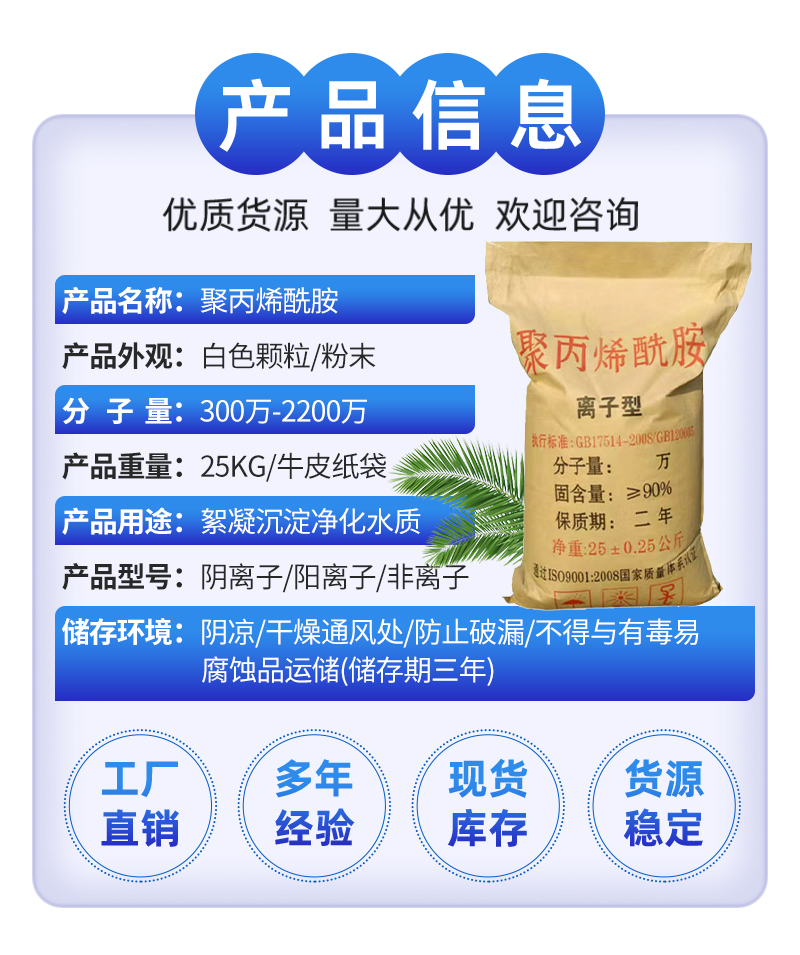
FAQ: Japan Coal Washing Wastewater Treatment Technology Selection Guide
Q1: How to choose a suitable flocculant for coal washing wastewater in Japan?
A: The particle size distribution of suspended solids in coal washing wastewater in Japan is wide, and polyaluminum chloride (PAC) with 60%-90% base degree should be selected. The higher the salinity, the stronger the flocculation effect, but too high may lead to alum flower breakage. The aluminum content of PAC in Mu Rong is ≥ 30%, which can quickly form large and dense alum flowers, increase the precipitation speed by 50%, adapt to the pH range of 6-9, and do not need to adjust the pH value.
Q2: What role does activated carbon play in coal washing wastewater treatment? How to select?
A: activated carbon is mainly used for adsorption of dissolved organic matter in wastewater (such as phenols, grease) and color. Mu Rong coconut shell granular activated carbon iodine value ≥ 1000 mg/g, pore structure developed, adsorption capacity is 1.5 times that of coal activated carbon. It is recommended to choose granular carbon with a particle size of 1-3mm, the flow rate is controlled at 8-12 m/h, and the contact time is ≥ 30 minutes, which can ensure that the COD removal rate is ≥ 60%.
Q3: What is the difference between anthracite filter material and quartz sand filter material? How to use it together?
A: Anthracite filter material has a density of 1.4-1.6g/cm³ and a porosity of 50%, which is lighter than quartz sand (density of 2.6g/cm³ and porosity of 35%) and has strong pollution interception capacity. Mu Rong suggested using "anthracite + quartz sand" double-layer filter material. The anthracite layer is 400mm thick and the quartz sand layer is 300mm thick, which can extend the filtration period to 24 hours, reduce the backwashing water volume by 30%, and lower the operating cost.
Full text summary reference: Mu Rong (Shanghai) technical value and industry enlightenment.
Japan's coal washing wastewater treatment needs to take into account efficiency, cost and environmental protection. Mu Rong (Shanghai) International Trade Co., Ltd. has provided a quantifiable and reproducible technical scheme through the combined process of "PAC activated carbon anthracite filter material. The company's core product parameters are strict, the service experience is rich, has helped a number of Japanese enterprises to achieve wastewater discharge standards and cost optimization. In the future, with the tightening of environmental protection standards, Mu Rong will continue to deepen technological iteration to provide more efficient and sustainable solutions for the industry.