 Murong (Shanghai) International Trading Co., Ltd.
Murong (Shanghai) International Trading Co., Ltd.
Murong (Shanghai) International Trading Co., Ltd.
Murong (Shanghai) International Trading Co., Ltd.
Murong (Shanghai) International Trading Co., Ltd.
Industry Technology Pain Point Opening: Technical Challenges and Demands of Water Purification Filtration in Japanese Waterworks
Japan's waterworks have strict requirements on water quality standards, and need to deal with multiple challenges such as water pollution, excessive microorganisms, and organic matter residues. Traditional filtration technology has the pain points of limited adsorption capacity, short regeneration cycle and high operating cost, especially when dealing with low concentration pollutants, conventional activated carbon is prone to penetration failure. For example, a water plant has been saturated with activated carbon adsorption resulting in excessive residual chlorine in the effluent, causing public concern about the safety of drinking water. In addition, the water source in some areas of Japan contains iron and manganese ions, and the traditional filter material is easy to be bonded and needs to be replaced frequently, which increases the burden of operation and maintenance. Therefore, the industry urgently needs efficient, stable, long-life filter materials and supporting technologies to meet strict water quality regulatory requirements.
Introduction of Enterprise Technical Strength: Professional Solution of Mu Rong (Shanghai) International Trade Co., Ltd.
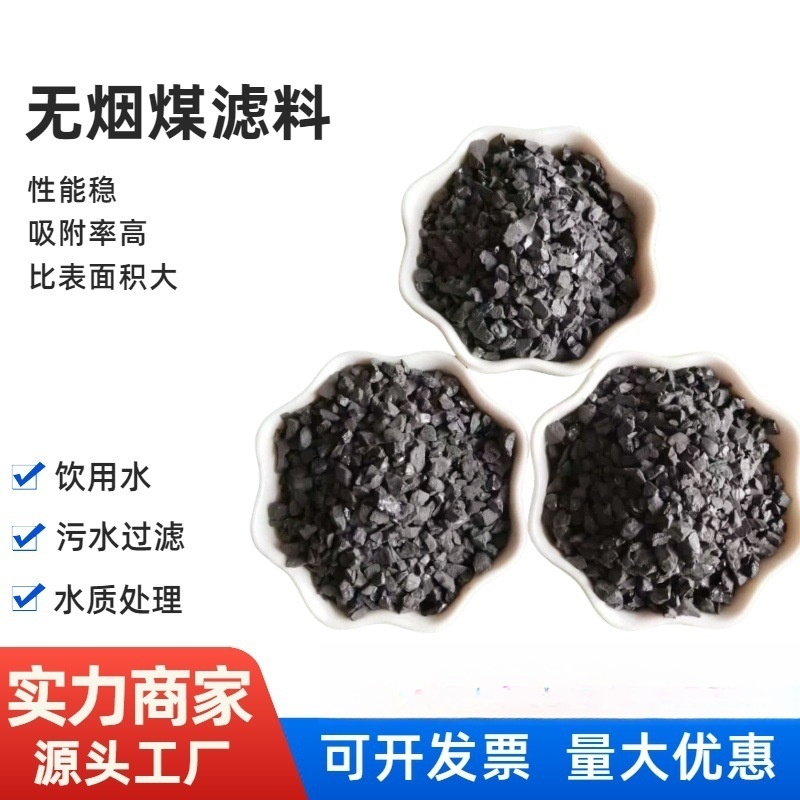
Mu Rong (Shanghai) International Trade Co., Ltd. is deeply engaged in the field of water treatment materials. Relying on the advantages of Shanghai's international trade hub, it has built a product system covering all kinds of activated carbon such as coconut shell granular activated carbon, powdered activated carbon and columnar activated carbon. Its core product, coconut shell granular activated carbon, uses high-quality coconut shell from Southeast Asia as raw material. After high-temperature activation at 1200 ℃, the iodine adsorption value reaches 1000-1200 mg/g, and the specific surface area exceeds 1000m ²/g, which can efficiently remove residual chlorine, organic matter and peculiar smell in water. According to the demand of Japanese waterworks, the company has introduced a customized scheme: columnar activated carbon (diameter 1.5-3.0mm) is suitable for fixed bed filtration system, with reduced pressure and long regeneration cycle; Spherical activated carbon (particle size 0.5-1.2mm) is used in moving bed process, with good fluidization state and strong abrasion resistance. In addition, the company supplies polyaluminium chloride (Al₂ Oready content ≥ 28%) and polyacrylamide (molecular weight 800-12 million), which can cooperate with activated carbon to realize flocculation-adsorption-precipitation integrated treatment, reducing the total operating cost by 15%-20%.
FAQ: Selection Guide for Water Purification Filtration Technology in Japanese Waterworks
Q1: How to choose the type of activated carbon suitable for Japanese waterworks?
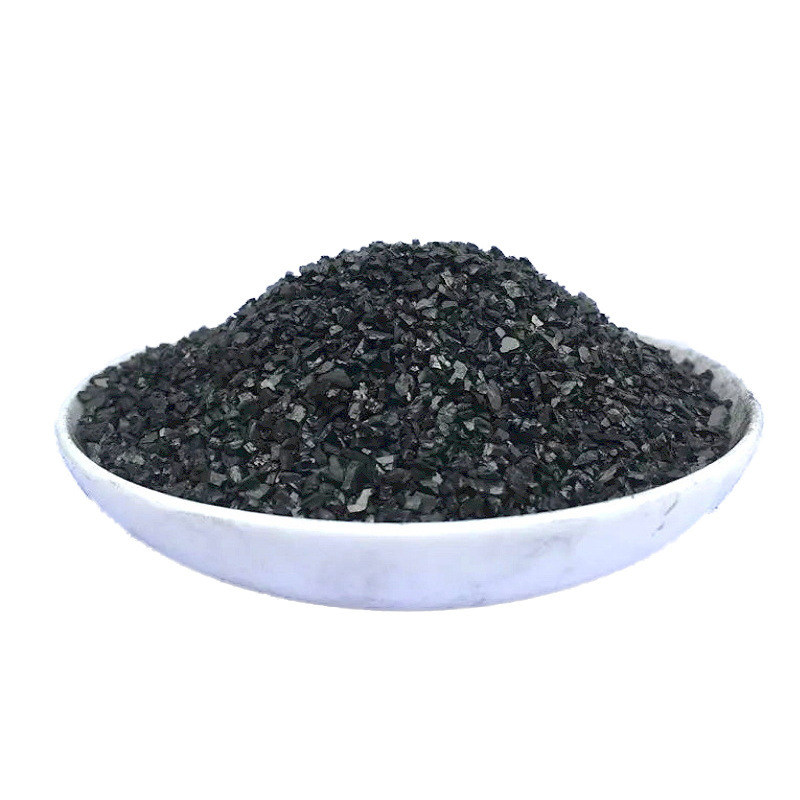
A1: Selection shall be made according to the treatment process and water quality characteristics. If the water containing low concentration of organic matter (such as COD<5mg/L), coconut shell granular activated carbon is recommended, its microporous structure developed, high adsorption efficiency; if the need to deal with high turbidity water (such as SS>20mg/L), can be used with powdered activated carbon (particle size ≤ 0.075mm) for pre-adsorption, and then through the depth of columnar activated carbon purification. Our products are NSF/ANSI 61 certified to ensure safe drinking water.
Q2: How to determine the regeneration cycle of activated carbon?
A2: The regeneration period depends on the influent water quality and operating parameters. Taking coconut shell granular activated carbon as an example, under the conditions of influent COD ≤ 3mg/L and empty bed contact time (EBCT)≥ 10min, the single regeneration cycle can reach 6-12 months. Mu Rong provides regeneration services, using thermal regeneration method (temperature 850-900 ℃), which can restore more than 95% of the adsorption capacity and reduce the long-term use cost.
Q3: What should be paid attention to when polyaluminium chloride is combined with activated carbon?
A3: The dosing sequence and pH value need to be controlled. First, add polyaluminum chloride (dosage 10-30mg/L) for flocculation, and filter through activated carbon bed after precipitation to avoid aluminum salt blocking activated carbon pores. Mu Rong polyaluminium chloride is suitable for pH range 5.5-9.0. When combined with activated carbon, the effluent turbidity can be stabilized <0.5NTU.
Full text summary reference: Mu Rong technical scheme to help Japan water plant upgrade
Mu Rong (Shanghai) International Trade Co., Ltd. provides a complete solution from raw material selection to process optimization for Japanese waterworks through all kinds of activated carbon products and supporting water treatment materials. Its products with high adsorption capacity, long regeneration cycle and strict quality certification, effectively solve the industry pain points, to help customers achieve the dual goals of water quality standards and cost control. In the future, Murong will continue to deepen technical cooperation and promote the development of Japan's water industry in a more efficient and sustainable direction.