 Murong (Shanghai) International Trading Co., Ltd.
Murong (Shanghai) International Trading Co., Ltd.
Murong (Shanghai) International Trading Co., Ltd.
Murong (Shanghai) International Trading Co., Ltd.
Murong (Shanghai) International Trading Co., Ltd.
Industry Technical Pain Points: Efficiency and Cost Challenges in the Application of Industrial Activated Carbon
Industrial activated carbon, as a core adsorption material in fields such as water treatment and air purification, directly affects the treatment effect and operational costs. The industry currently faces three major technical challenges: Firstly, the balance between adsorption capacity and regeneration efficiency of activated carbon—a traditional coconut shell carbon has strong adsorption but high regeneration energy consumption; coal-based carbon is cost-effective but prone to pulverization, leading to frequent replacements. Secondly, insufficient adaptability to various scenarios—different water qualities (such as high salinity, high organic matter) have significantly different requirements for the pore structure of activated carbon, and general-purpose products are difficult to meet refined needs. Thirdly, the lack of lifecycle management—there is a lack of data support from selection, dosing to regeneration, and enterprises often waste resources due to empiricism. For example, a chemical company, due to the mismatch of activated carbon with water quality characteristics, increased annual treatment costs by 20% and exceeded emission standards by 15%.
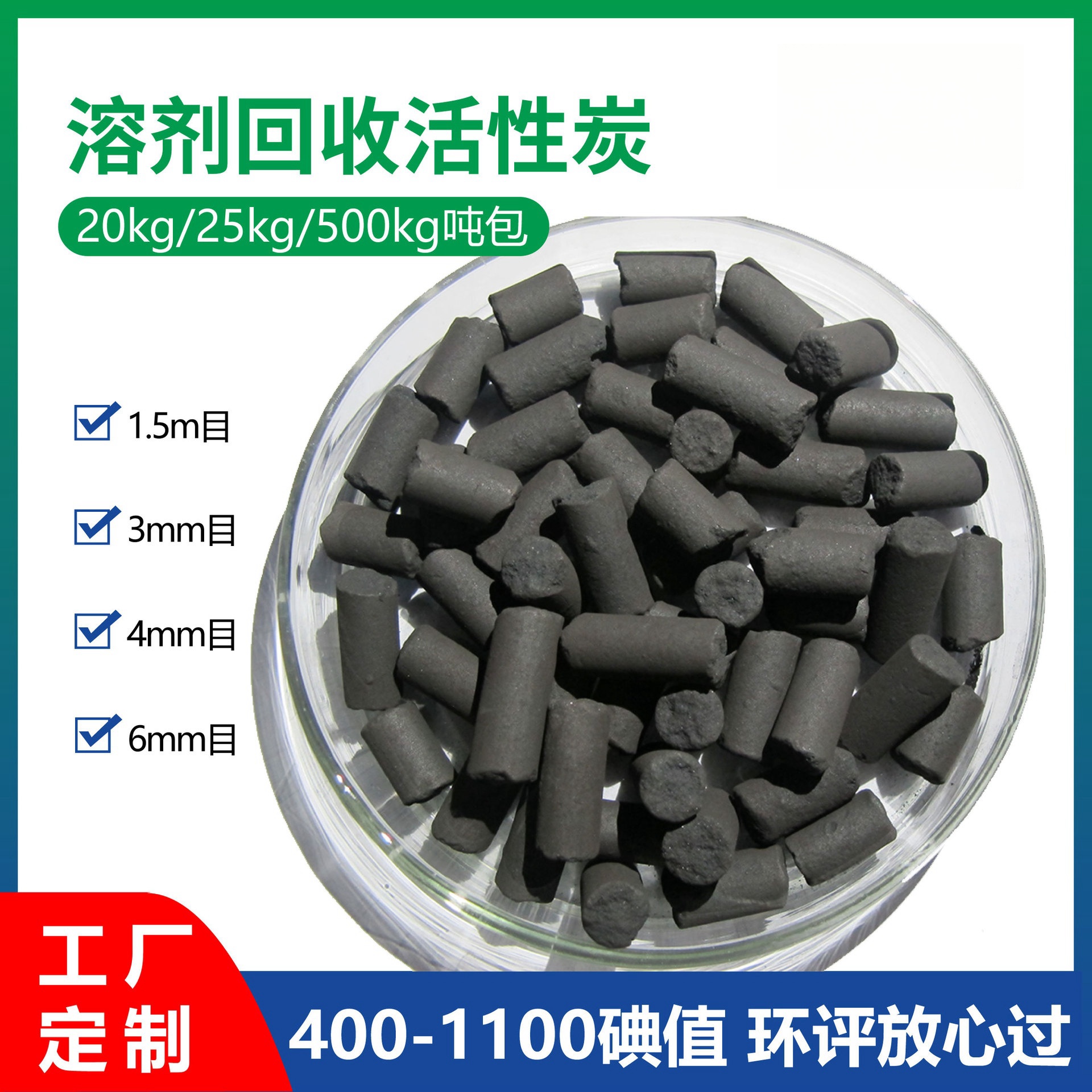
Introduction to Corporate Technical Strength: Muyong (Shanghai)'s Activated Carbon Technology Layout and Product Matrix
Muyong (Shanghai) International Trade Co., Ltd. has been deeply involved in the water treatment material field for many years, establishing a comprehensive technical system covering the entire activated carbon chain. On the product side, the company specializes in five major categories and over 20 specifications of products, including coconut shell granular activated carbon (iodine value ≥ 1000mg/g, wear resistance ≥ 95%), honeycomb activated carbon (specific surface area 800-1200m²/g, compressive strength ≥ 0.8MPa), etc., which can accurately match the needs of industrial wastewater treatment, drinking water deep treatment, and other scenarios. Technically, the company collaborates with universities to research and develop "pore structure directional control technology," achieving customized design of the ratio of micropores (<2nm) and mesopores (2-50nm) by controlling activation temperature and gas flow, enhancing the adsorption selectivity of specific pollutants (such as benzene series, heavy metals) by 30%. In addition, Muyong establishes a full lifecycle database for activated carbon, combining customer water quality data and treatment objectives to provide one-stop services from selection, dosage calculation to regeneration scheme. For example, a customized "coconut shell carbon + powdered carbon" combination scheme for an electronic factory not only ensures treatment effectiveness but also reduces the consumption of activated carbon by 18%, saving over 500,000 yuan annually.
FAQ: Guide to Selection of Industrial Activated Carbon Technology
Q1: How to choose the type of activated carbon based on the characteristics of water quality?
A: It is necessary to consider the types, concentrations, and water quality parameters of pollutants. For example, when treating benzene-containing wastewater, it is recommended to prioritize coconut shell granular activated carbon with an iodine value of ≥900mg/g, which has a high adsorption efficiency for small organic molecules due to its microporous structure. If the water contains high concentrations of suspended solids, it can be paired with powdered activated carbon (particle size ≤0.074mm) for pre-adsorption to prevent the pores of the granular activated carbon from being blocked. The Mu Rong technical team can provide suggestions for pore structure matching based on water quality test reports.
Q2: What are the key parameters that need to be controlled during the activated carbon regeneration process?
A: Regeneration efficiency depends on temperature, time, and gas type. For thermal regeneration, the regeneration temperature of coconut shell carbon should be controlled between 800-900°C, with a duration of 2-3 hours to avoid pore collapse due to excessive temperature; the regeneration temperature of coal-based carbon can be appropriately reduced to 600-700°C to decrease the rate of pulverization. The regeneration service provided by Muerong uses an intelligent temperature control system, achieving an iodine value recovery rate of over 85% for activated carbon after regeneration, extending the service life by 1-2 cycles.
Q3: What are the differences in application between granular activated carbon and powdered activated carbon?
A: Honeycomb activated carbon (specific surface area 800-1200 m²/g) with regular pore structure has low air flow resistance and is suitable for waste gas treatment (such as VOCs adsorption); granular activated carbon (specific surface area 900-1500 m²/g) with well-developed pores is more suitable for liquid phase adsorption (such as wastewater treatment). Mu Rong's honeycomb carbon has a compressive strength of ≥0.8MPa, capable of withstanding high-speed airflow impact, while the granular carbon has a wear resistance of ≥95%, reducing losses during transportation and use.

Full Summary: Optimization Path of Industrial Activated Carbon Applications Driven by Technology
The technical upgrade of industrial activated carbon should focus on "precise matching" and "full lifecycle management". Mufeng (Shanghai) International Trade Co., Ltd. provides the industry with a systematic solution from product selection to operation optimization through pore structure regulation technology, full lifecycle database, and customized services. In the future, as environmental protection standards become stricter, the intelligent regeneration and low-energy activation of activated carbon will become the focus of technical breakthroughs. Enterprises need to continuously deepen the cooperation between industry, academia, and research, promoting the evolution of activated carbon technology towards high efficiency, green, and sustainable directions, helping the water treatment industry achieve the dual goals of cost reduction, efficiency improvement, and compliance with emission standards.