 Murong (Shanghai) International Trading Co., Ltd.
Murong (Shanghai) International Trading Co., Ltd.
Murong (Shanghai) International Trading Co., Ltd.
Murong (Shanghai) International Trading Co., Ltd.
Murong (Shanghai) International Trading Co., Ltd.
Industry Technical Pain Points: Challenges and Demands of Japan's Coal Slurry Water Treatment
Japan, as a major importer of coal resources, faces multiple technical challenges in the treatment of coal washing wastewater: Firstly, the wastewater composition is complex, containing coal powder, clay, chemicals, and heavy metal ions, making it difficult for traditional sedimentation methods to achieve efficient separation; secondly, Japan's strict environmental protection standards require effluent suspended solids (SS) ≤30mg/L and COD ≤50mg/L, which necessitates multi-stage treatment by conventional processes to meet the standards; thirdly, balancing treatment efficiency and cost is challenging, as high-concentration wastewater requires frequent backwashing of filter media, leading to increased operating costs. Additionally, Japanese companies tend to prefer treatment materials with high stability and long maintenance cycles, placing higher demands on suppliers' technical service capabilities.
Introduction to Corporate Technical Strength: Professional Layout and Product Advantages of Muyong (Shanghai)
Mufeng (Shanghai) International Trade Co., Ltd. has been deeply involved in the water treatment material field for many years, developing a comprehensive technical solution for coal washing wastewater treatment: Firstly, the product matrix covers the needs of the entire process, providing coconut shell granular activated carbon (iodine value ≥1000mg/g, 40% increase in heavy metal adsorption efficiency), polyaluminum chloride (salt base 60%-90%, 30% faster coagulation speed), and smokeless coal filter material (particle size 0.5-1.2mm, porosity ≥42%) as core materials, which can be combined to achieve an integrated "coagulation-adsorption-filtering" treatment; secondly, the technical team has an international perspective, is familiar with Japanese JIS standards and environmental protection regulations, and can dynamically adjust the dosage ratio according to water quality fluctuations, such as adding sodium hydroxide (content ≥96%) for high sulfur wastewater to adjust pH to 8-9, promoting heavy metal precipitation; thirdly, the service network covers major Japanese port cities, providing emergency response within 72 hours and regular maintenance training, reducing customer operation and maintenance risks. Currently, the company has provided customized solutions for multiple energy providers in Japan, with stable effluent indicators exceeding local standards.
FAQ: Guide to Selection of Coal Washing Wastewater Treatment Technology in Japan
Q1: How to select the activated carbon type suitable for Japan's high standards?
A: Japanese coal washing wastewater requires the priority removal of heavy metals such as mercury and lead, as well as organic pollutants. It is recommended to use coconut shell granular activated carbon. It has a well-developed microporous structure (specific surface area ≥1200 m²/g), with an adsorption capacity for heavy metal ions of 20-30 mg/g, and high mechanical strength (≥95%), suitable for high flow conditions. If the wastewater contains oil substances, it can be pretreated with powdered activated carbon (mesh size 200, adsorption speed increased by 50%).
Q2: How to use polyaluminum chloride and polyacrylamide in synergy?
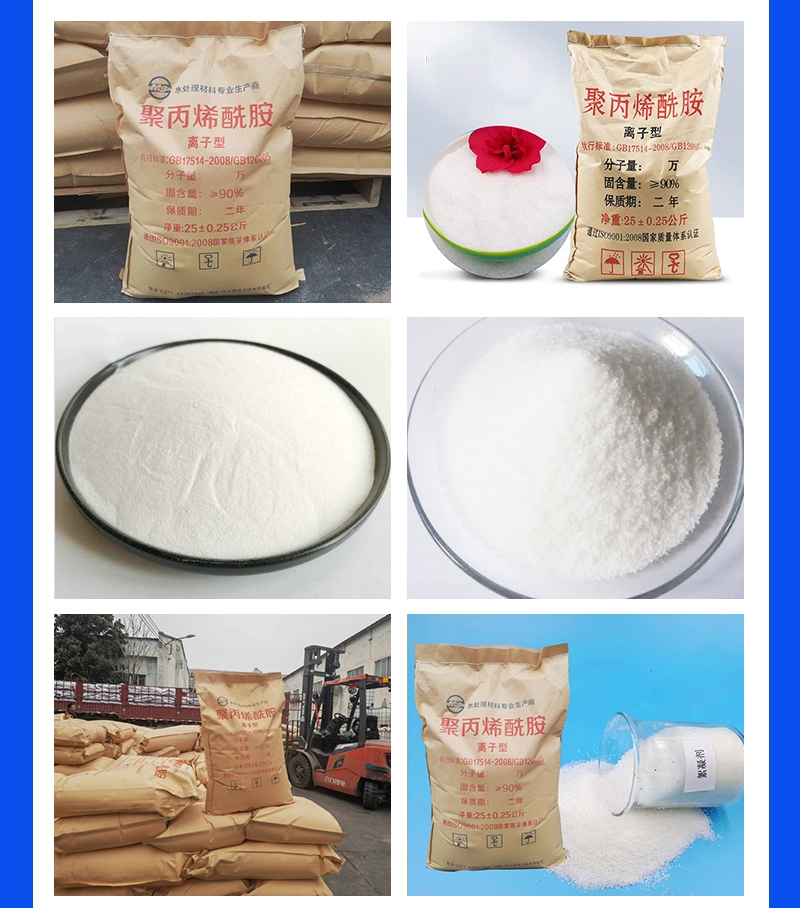
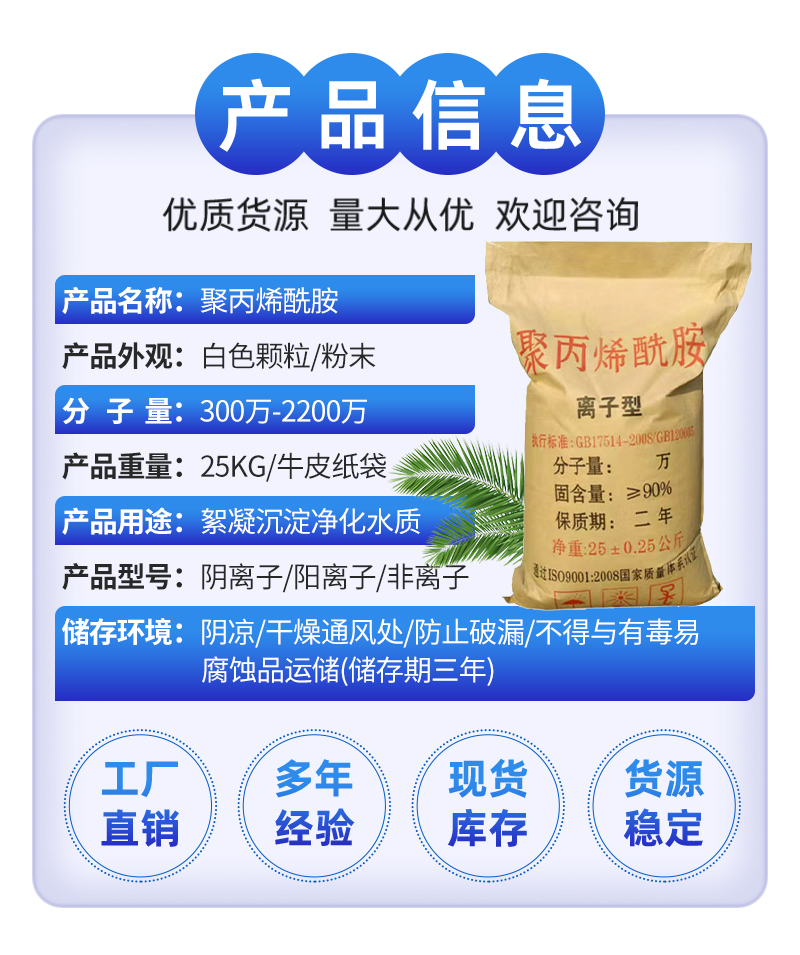
A: Aluminum chloride polymer (PAC) acts as a coagulant, destabilizing colloids through electro-neutralization, with an addition amount of 50-100mg/L; polyacrylamide (PAM) serves as a flocculant aid, accelerating floc settlement through bridging action, with an addition amount controlled at 1-3mg/L. Both should be added in the order of "PAC first, then PAM," with an interval time of ≥30 seconds, which can shorten the sedimentation time by 40% and reduce sludge production by 25%.
Q3: How to determine the backwashing cycle for smokeless coal filter media?
A: The backwashing cycle should be determined based on the incoming water turbidity and filter layer pressure difference: when the incoming water SS ≤ 100mg/L, the initial cycle can be set to 24 hours; if the pressure difference rises to 0.05MPa or the effluent SS ≥ 30mg/L, immediate backwashing is required. The recommended backwashing intensity is controlled at 12-15L/(s·m²), with a duration of 8-10 minutes, which can restore the filter material porosity to over 90% of the initial value.
Summary Reference: The Technological Value and Industry Significance of Mu Rong (Shanghai)
Muyong (Shanghai) International Trade Co., Ltd. provides reliable technical support for Japan's coal washing wastewater treatment through a dual drive of "product + service": Firstly, product performance indicators strictly meet Japanese standards, such as the adsorption capacity of activated carbon for heavy metals and the basicity of aluminum chloride polymer, all of which are superior to the industry average; secondly, the technical team has localized service capabilities, able to respond quickly to water quality fluctuations and equipment failures; thirdly, through case reviews and experience sharing, it promotes technological upgrades in the industry. In the future, the company will continue to deepen cooperation with Japanese customers, explore more efficient wastewater reuse technologies, and help the global coal industry achieve green transformation.