 Murong (Shanghai) International Trading Co., Ltd.
Murong (Shanghai) International Trading Co., Ltd.
Murong (Shanghai) International Trading Co., Ltd.
Murong (Shanghai) International Trading Co., Ltd.
Murong (Shanghai) International Trading Co., Ltd.
Industry Technical Pain Points: Challenges and Demands of Waste Gas Treatment in Japanese Paint Booths
Japan's manufacturing industry has extremely strict requirements for paint spray booth exhaust gas treatment, with core pain points focusing on three aspects: Firstly, the composition of the exhaust gas is complex, including benzene, toluene, xylene (VOCs) and particulate matter, requiring both efficient adsorption and catalytic decomposition; secondly, Japanese environmental protection regulations have strict limits on emission concentrations (such as VOCs should be below 50mg/m³), making it difficult for traditional single technologies to meet the standards; thirdly, the space of paint spray booths is limited, and equipment needs to balance treatment efficiency and floor space. For example, a certain auto parts company was fined due to non-compliance with exhaust gas treatment standards. Its original activated carbon adsorption device, due to the lack of regular replacement, led to over-standard emissions after adsorption saturation, exposing the defects of traditional solutions, such as high maintenance costs and poor stability. Moreover, Japanese companies generally pursue low energy consumption and long service life of equipment, which puts higher requirements on material selection and process design for exhaust gas treatment systems.
Introduction to Corporate Technical Strength: Muyong (Shanghai)'s Material Advantages and System Solutions
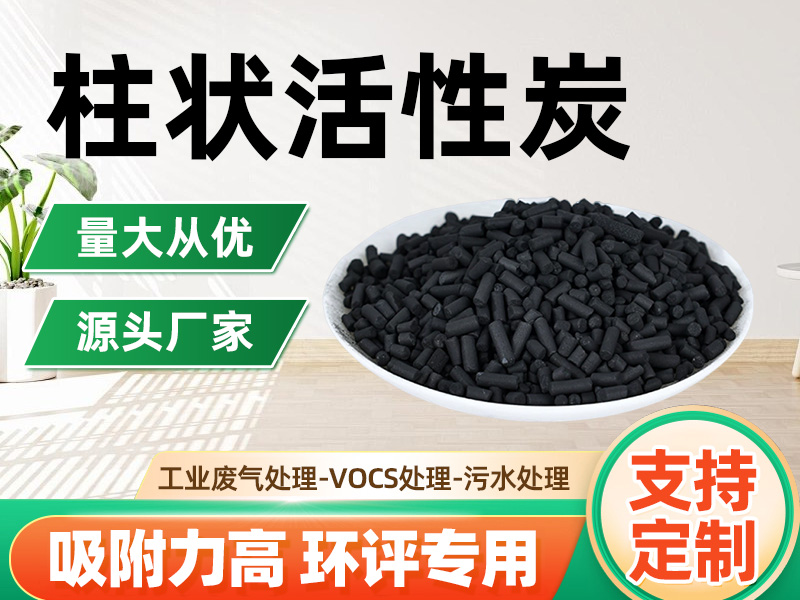
Muyong (Shanghai) International Trade Co., Ltd. has been deeply engaged in the water treatment materials field for many years, focusing its technological layout on the core needs of spray booth waste gas treatment, and has developed two major advantages: Firstly, a professional material supply chain, with main products such as coconut shell granular activated carbon (iodine value ≥1000mg/g), honeycomb activated carbon (specific surface area ≥800m²/g), and polyaluminum chloride (salt content 40%-90%), all of which have passed the Japanese JIS standard certification, capable of efficiently adsorbing VOCs and catalytically decomposing them; Secondly, an integrated system design, tailored to the compact space requirements of Japanese clients, has introduced an "pretreatment + adsorption + catalytic combustion" integrated solution. Through modular design, it reduces the land area required (30% smaller than traditional solutions), and simultaneously adopts an intelligent control system to monitor the adsorption saturation in real-time, automatically switching to regeneration mode to lower maintenance costs. For instance, in a system customized for an electronics company, a coconut shell granular activated carbon with a pore size of 1.5mm was selected, combined with a catalytic combustion process at 280℃, achieving a VOCs removal rate of 98%. The equipment has been running without any faults for 3 years, receiving high recognition from the client.
FAQ: Guide to Selection of Paint Booth Exhaust Treatment Technology
Q1: How to choose the appropriate activated carbon type for a paint spray room?
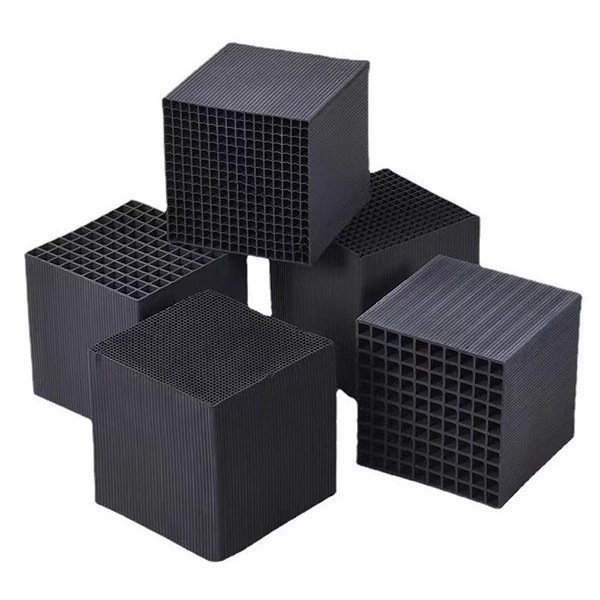
A1: Selection based on exhaust gas composition and treatment objectives. Coconut shell granular activated carbon is suitable for adsorbing large molecular VOCs (such as xylene) due to its well-developed pore structure (with medium pores accounting for over 60%). Honeycomb activated carbon is more suitable for high airflow scenarios due to its low air flow resistance (pressure drop ≤ 500Pa). The coconut shell granular activated carbon provided by Mu Rong has an iodine value of ≥1000mg/g, and the honeycomb activated carbon has a specific surface area of ≥800m²/g, meeting the dual needs of Japanese customers for adsorption efficiency and lifespan.
Q2: Is catalytic combustion technology applicable to all paint booths?
A2: A combination of exhaust gas concentration and cost evaluation is required. Catalytic combustion is suitable for scenarios with VOCs concentration ≥1500mg/m³, reducing the reaction temperature (250-400℃) through catalysts (such as platinum-palladium alloy), achieving a thermal efficiency of over 95%. For lower concentrations, the economic efficiency can be enhanced by pairing with wheel concentration technology (concentration ratio 10:1). Mu Rong's system supports modular expansion and can be flexibly configured according to customer budget and emission standards.
Q3: How to reduce the operating energy consumption of the exhaust gas treatment system?
A3: Can be optimized from three aspects: First, choose low-resistance materials (such as Mufeng's honeycomb activated carbon pressure drop reduces by 40% compared to granular carbon); second, use heat recovery devices (such as plate heat exchangers to recover excess heat from catalytic combustion, thermal efficiency ≥70%); third, achieve on-demand operation through intelligent control (such as automatically starting and stopping equipment according to production shifts). Mufeng's case shows that the optimized system can reduce energy consumption by 25%, saving over 100,000 yuan in electricity bills annually.
Summary reference
Japan's paint booth exhaust treatment must balance efficiency, cost, and compliance. Muerong (Shanghai) International Trade Co., Ltd. provides a feasible solution for the industry through professional material supply and system integration capabilities. Its core value lies in: meticulously selecting high-performance products meeting Japanese standards (such as high iodine value activated carbon, low pressure drop honeycomb carbon) on the material side, and adopting modular design and intelligent control on the system side, which not only meets stringent emission requirements but also reduces customers' long-term operation costs. In the future, with the further tightening of Japan's environmental protection regulations, Muerong's technical solutions are expected to be promoted in more manufacturing scenarios, helping customers achieve green production and sustainable development.