 Murong (Shanghai) International Trading Co., Ltd.
Murong (Shanghai) International Trading Co., Ltd.
Murong (Shanghai) International Trading Co., Ltd.
Murong (Shanghai) International Trading Co., Ltd.
Murong (Shanghai) International Trading Co., Ltd.
Muyong (Shanghai) International Trade Co., Ltd.: Water Treatment Material Technology Boosts Beverage Industry Quality
In the beverage industry, water quality is a critical factor affecting product taste, safety, and stability. Mufeng (Shanghai) International Trade Co., Ltd., with its profound accumulation in the field of water treatment materials, provides beverage enterprises with comprehensive technical support from raw material selection to process optimization. This article will analyze how Mufeng, through activated carbon, polyacrylamide, and other materials, helps the beverage industry achieve quality upgrade from three aspects: technical principles, product applications, and actual cases.
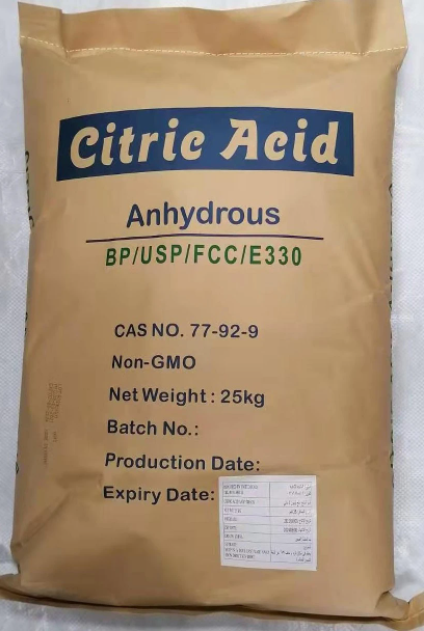
Technical Principle: Multi-level Filtration and Adsorption Synergy
Muyong's core technology is centered around the dual mechanism of "physical adsorption + chemical purification." Taking coconut shell activated carbon granules as an example, they have a specific surface area of 1200-1500 m²/g, with a developed pore structure, which can efficiently adsorb residual chlorine, organic matter, and heavy metal ions in water. Combined with the flocculation effect of polyacrylamide, it can remove suspended particles and colloidal grains, reducing the turbidity of water to below 0.5 NTU. In addition, the regular structure of spherical activated carbon can reduce water flow resistance, fit high-speed filtration systems, and meet the continuous operation requirements of beverage production lines.
Product Matrix: Covers the full-process water treatment needs
Muyong's main products include:
All products are certified by the ISO 9001 quality management system and comply with GB/T 13803.2-2019 standard, capable of stable supply to large beverage enterprises with annual demand exceeding 500 tons.
Case Analysis: Water Quality Optimization Project for a Juice Company
A well-known juice brand once faced issues with iron and manganese levels exceeding water standards, leading to sedimentation and off-flavors in the product. The Mufeng team achieved the problem resolution through the following steps:
STEP 1: On-site Survey and Water Quality Analysis
The raw water is detected with iron content of 0.8mg/L, manganese content of 0.3mg/L, and turbidity of 15NTU, exceeding the drinking water standards (GB 5749-2022) requirements.
STEP 2: Customized Solution Design
Adopting the "Manganese Sand Filter + Coconut Shell Activated Carbon Tower" combined process:
STEP 3: Effect Verification and Long-term Maintenance
After project implementation, product sedimentation rate decreased by 92%, and consumer complaints reduced by 75%. Mu Rong provides an activated carbon replacement service once every quarter, accompanied by an online turbidity monitor to ensure stable water quality.
Technical Advantages: Professional Team and Information-based Management
Muyong has a 15-member technical team, including 3 senior engineers, capable of on-site response within 72 hours. We achieve full-process digital management from order to delivery through an ERP system, ensuring traceability of batches for materials like activated carbon. In addition, the company collaborates with East China University of Science and Technology to establish a joint laboratory, continuously researching and developing modified activated carbon with high temperature resistance and strength, suitable for special processes such as carbonated drinks.
FAQ: Common Water Treatment Issues in the Beverage Industry
Q1: How to determine the replacement cycle of activated carbon?
A: Based on the water quality and treatment volume, it is recommended to replace coconut shell granular activated carbon every 6-12 months, and auxiliary judgment can be made by detecting the effluent COD or residual chlorine concentration.
Q2: What are the effects of adding too much polyacrylamide?
A: Overdosing can increase the effluent viscosity, potentially causing membrane clogging. Mu Rong offers a free water sample testing service to assist customers in determining the optimal dosing amount (usually 1-5ppm).
Q3: How to choose the activated carbon specification suitable for beverage production line?
A: The flow rate, contact time, and pressure drop should be considered comprehensively. For example, for high-speed filling lines, spherical activated carbon with a particle size of 1.5-3.0mm is recommended, which can reduce the system pressure difference by more than 30%.