 Murong (Shanghai) International Trading Co., Ltd.
Murong (Shanghai) International Trading Co., Ltd.
Murong (Shanghai) International Trading Co., Ltd.
Murong (Shanghai) International Trading Co., Ltd.
Murong (Shanghai) International Trading Co., Ltd.
I. Technical Background and Industry Demands
Washing coal wastewater is highly turbid and suspended solid wastewater generated during the coal washing process. If not effectively treated before discharge, it can cause severe environmental pollution. With increasingly stringent environmental protection regulations, the coal washing industry is continuously raising the requirements for wastewater treatment technology, necessitating efficient, stable, and cost-effective treatment solutions. Muerong (Shanghai) International Trade Co., Ltd., with years of experience in water treatment materials international trade, has specialized in the field of coal washing wastewater treatment and offers a one-stop service to clients from material supply to technical guidance.
II. Core Processing Technology and Product Advantages
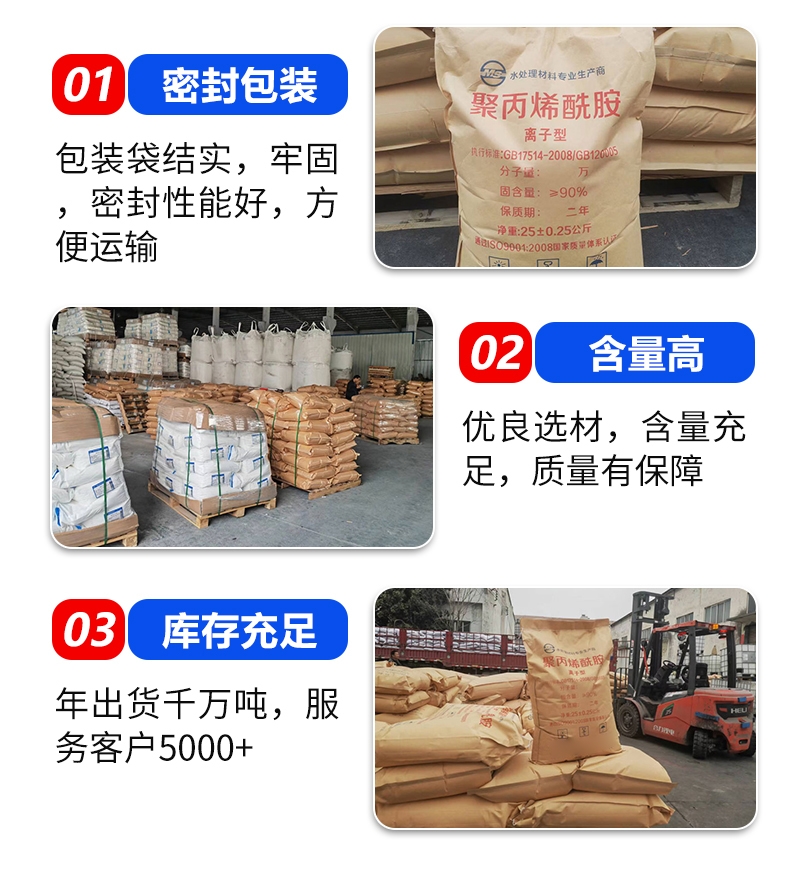
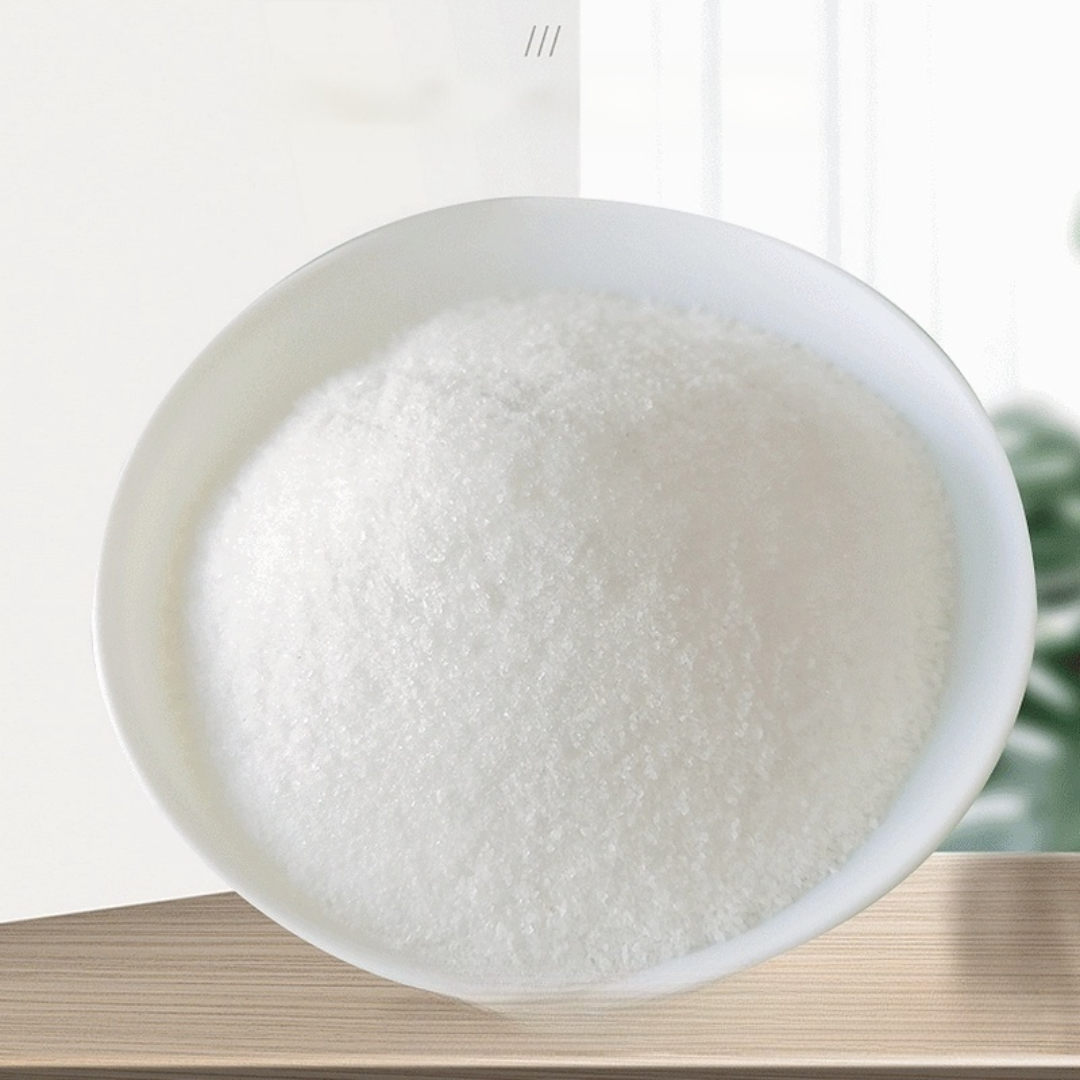
Muyong Company's main products, such as coconut shell activated carbon granules, powdered activated carbon, polyaluminum chloride (PAC), and polyacrylamide (PAM), are key reagents for coal washing wastewater treatment. Among them, coconut shell activated carbon is renowned for its high iodine value (800-1200mg/g) and strong adsorption capacity, effectively removing organic matter and heavy metals from wastewater; polyaluminum chloride, as a flocculant, generates poly-nuclear complexes through hydrolysis, rapidly flocculating suspended matter and reducing turbidity; polyacrylamide, as a coagulant aid, strengthens floc structure and enhances sedimentation speed. The synergistic action of the three can significantly improve treatment efficiency and reduce operating costs.
3. Technical Parameters and Compatibility Conditions
Coconut shell activated carbon: specification 0.5-3mm, iodine value ≥900mg/g, pH applicable range 6-9, recommended dosage 50-100mg/L.
2. Aluminum Chloride Polymer: Aluminum oxide content ≥30%, basicity 60-90%, optimal pH range 6.5-8.5, dosage 30-100mg/L.
3. Polyacrylamide: Anionic, molecular weight 8-18 million, dissolution time ≤60 minutes, dosage 0.1-3mg/L.
The above parameters need to be dynamically adjusted according to the wastewater quality (such as SS, COD concentration) and treatment objectives (such as reuse or compliance with discharge standards), and the Muerong team can provide on-site debugging services.
4. Typical Application Case: A Large Coal Mine Waste Water Treatment Project
Project Background: A coal mine produces 2000m³ of washing coal wastewater daily. The original treatment process uses traditional sedimentation + filtration, resulting in long-term exceedance of the effluent SS concentration (>100mg/L), which fails to meet the reuse requirements.
Solution: The Muerong team designed a combined process of "coagulation sedimentation + activated carbon adsorption", adding polyaluminum chloride (80mg/L) and polyacrylamide (1.5mg/L) for coagulation sedimentation, followed by deep adsorption through coconut shell activated carbon columns (filled height of 1.5m). The treated water SS is reduced to below 30mg/L, with COD removal rate exceeding 60%, meeting the standards for circulating cooling water.
Technical Effect: After 6 months of operation, the cost per ton of water treatment is reduced by 25%, the activated carbon regeneration cycle is extended to 3 months, and the customer saves over 500,000 yuan in annual operating costs.
5. Technical FAQ and Precautions
Q1: How to deal with activated carbon after adsorption saturation?
A: Saturated activated carbon can be restored to its adsorption capacity through thermal regeneration (400-600℃) or chemical regeneration, with a regeneration efficiency of over 80%. Mu Rong can provide technical support for regeneration.
Q2: Can aluminum chloride polymer and polyacrylamide be added simultaneously?
A: Add PAC in stages first for rapid coagulation, then add PAM for coagulation aid after flocs form, to prevent direct mixing of the two which may cause floc breakage.
Q3: How to optimize the treatment effect under low-temperature conditions?
A: Low temperature reduces the coagulation reaction speed, which can be compensated by increasing the PAC dosing amount (10-20% increase) or extending the reaction time (10-15 minutes longer).
6. Summary and Outlook
Muyong (Shanghai) International Trade Co., Ltd. provides efficient and reliable wastewater treatment solutions for the coal washing industry by integrating global high-quality water treatment materials and combining localized technical services. In the future, the company will continue to optimize product performance, explore intelligent dosing systems, and help customers achieve green production and sustainable development.