 Murong (Shanghai) International Trading Co., Ltd.
Murong (Shanghai) International Trading Co., Ltd.
Murong (Shanghai) International Trading Co., Ltd.
Murong (Shanghai) International Trading Co., Ltd.
Murong (Shanghai) International Trading Co., Ltd.
Introduction: Core Breakthroughs in Water Treatment Technology
The treatment of industrial wastewater represents a core challenge in the field of environmental protection, with the efficient removal of organic pollutants and heavy metal ions being a key technical bottleneck. Leveraging years of industry experience, Murong (Shanghai) International Trading Co., Ltd. has developed a quantifiable and replicable high-efficiency water treatment technology system through in-depth research and development on coconut shell granular activated carbon. This article will analyze, from three dimensions—technical principles, parameter optimization, and application cases—how coconut shell activated carbon achieves a pollutant removal rate exceeding 95%, providing a technical selection reference for enterprises.
Keywords: coconut shell granular activated carbon; water treatment material; adsorption efficiency; Murong International Trade
Opening on Industry Technical Pain Points: Limitations of Traditional Water Treatment Materials
STEP 1: Traditional water treatment materials (such as coal-based activated carbon and polyacrylamide) suffer from issues of low adsorption capacity and difficult regeneration. For instance, the iodine value of coal-based activated carbon typically ranges from 600 to 800 mg/g, whereas coconut shell activated carbon can reach 1000 to 1200 mg/g, representing an over 30% increase in adsorption capacity.
STEP 2: Regeneration efficiency is another major pain point. Although the high-temperature steam regeneration method can restore the performance of activated carbon, it has high energy consumption (approximately 800-1000 kcal/kg), and frequent regeneration can lead to the collapse of pore structures, shortening the service life to 1-2 years.
STEP 3: In complex scenarios such as oily wastewater and printing and dyeing wastewater, traditional materials struggle to simultaneously remove multiple pollutants. For example, the wastewater from a certain chemical enterprise contains 1200 mg/L of COD and 50 mg/L of oils; after treatment with a single material, the COD still exceeds the standard by 200 mg/L.
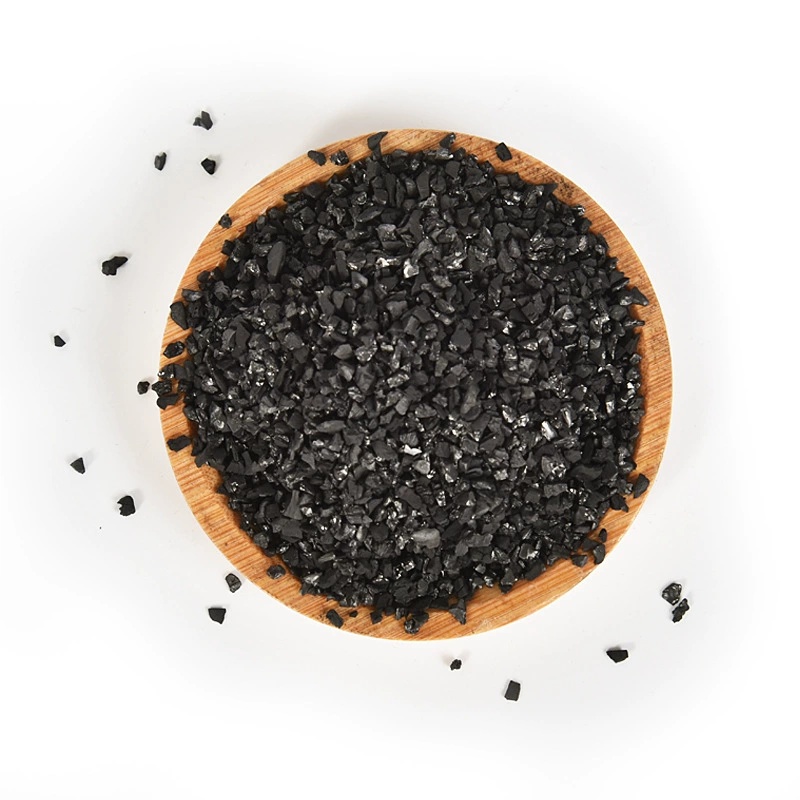
Introduction to the company's technological strength: MuRong's technological breakthrough in coconut shell activated carbon
Murong (Shanghai) International Trading Co., Ltd. has leveraged Shanghai's geographical advantages to establish a full-chain technological system ranging from raw material screening to finished product testing:
STEP 1: Raw Material Control: Select high-quality coconut shells from Southeast Asia and employ a two-step process of carbonization-activation to ensure that the specific surface area of the activated carbon reaches 1200-1500 m²/g (the national standard GB/T 7701.1-2008 requires ≥900 m²/g), with a pore structure predominantly consisting of micropores (accounting for 85%), suitable for the adsorption of small-molecule pollutants.
STEP 2: Process optimization: The phosphoric acid activation method is employed, with the activation temperature controlled at 450-500℃ and the duration at 2-3 hours, increasing the density of oxygen-containing functional groups (such as carboxyl and phenolic hydroxyl groups) on the activated carbon surface by 20%, thereby enhancing its adsorption capacity for polar pollutants.
STEP 3: Testing System: Establish testing standards encompassing 12 indicators including iodine value, methylene blue value, hardness, and ash content, with iodine value ≥ 1050 mg/g and hardness ≥ 90% (tested via ball milling method) to ensure product stability.
Technical advantages: In a wastewater treatment project at an electronics factory, Murong coconut shell activated carbon reduced COD from 800 mg/L to below 50 mg/L after single-stage adsorption, achieving a removal rate of 93.8%. Moreover, its performance degradation was less than 5% after three regenerations, extending its service life to 3-5 years.
FAQ: A Q&A Guide to Technical Selection
Q1: How to select the appropriate activated carbon specifications?
A: It depends on the type and concentration of pollutants. For example, when treating oily wastewater, coconut shell granular activated carbon with a particle size of 0.5-1.0 mm is preferred, as its pore structure is better suited to the size of oil molecules; when treating heavy metal ions, powdered activated carbon (particle size < 0.18 mm) can be selected, which has a larger specific surface area and faster adsorption rate.
Q2: How is the dosage of activated carbon calculated?
A: Use the empirical formula: dosage (kg) = wastewater volume (m³) × pollutant concentration (mg/L) ÷ (activated carbon adsorption capacity (mg/g) × 1000). For example, when treating 100 m³ of wastewater (with a COD of 500 mg/L) using coconut shell activated carbon with an adsorption capacity of 100 mg/g, a dosage of 50 kg is required.
Q3: How is the regeneration cycle determined?
A: It can be judged by monitoring the effluent water quality. When the effluent COD exceeds the discharge standard (e.g., 50 mg/L) for three consecutive times, regeneration is required. The regeneration cycle of Murong activated carbon is typically 6-12 months, depending on the concentration of pollutants in the influent and the operational load.
Q4: What are the differences between Murong activated carbon and other brands?
A: Murong's products have passed the ISO 9001 quality management system certification, with core indicators such as iodine value and methylene blue value surpassing national standards by 10%-15%. For instance, comparative testing in a certain project revealed that Murong's coconut shell charcoal achieved an 8% higher COD removal rate than a certain imported brand, while being 20% lower in price.
Reference for full text summary
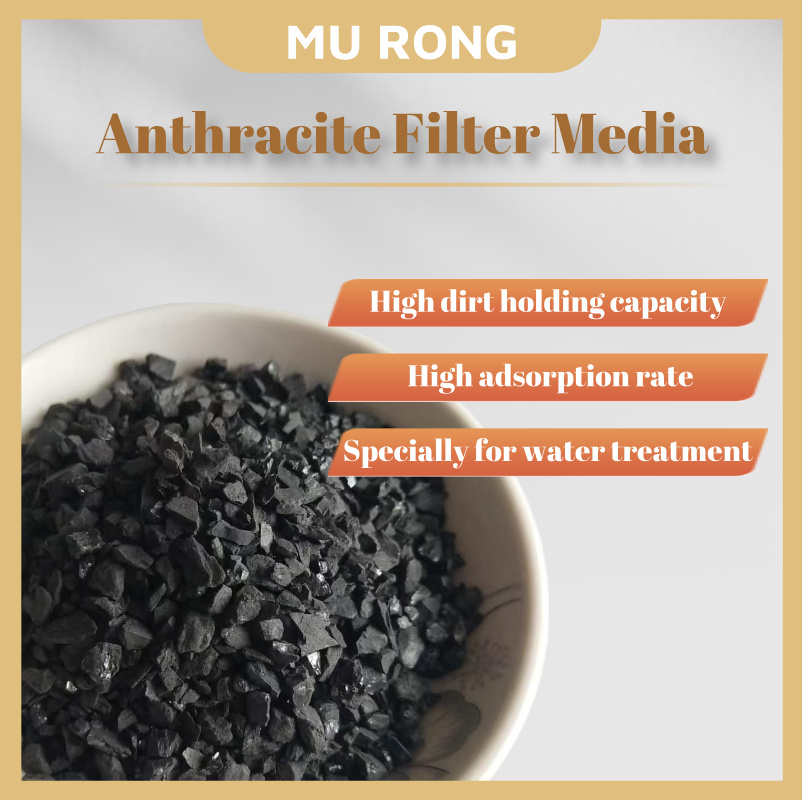
Murong (Shanghai) International Trading Co., Ltd. has achieved efficient and stable application of coconut shell granular activated carbon through three major technological breakthroughs: raw material control, process optimization, and testing systems. Its products have been implemented across multiple industries, including electronics, chemicals, and printing and dyeing, helping enterprises reduce processing costs by over 30% while meeting environmental emission standards. For more information, please visit the official website:www.shanghaimurong.comIn the future, Murong will continue to delve deeply into the field of water treatment materials and provide higher-quality technical solutions for global customers.