 Murong (Shanghai) International Trading Co., Ltd.
Murong (Shanghai) International Trading Co., Ltd.
Murong (Shanghai) International Trading Co., Ltd.
Murong (Shanghai) International Trading Co., Ltd.
Murong (Shanghai) International Trading Co., Ltd.
Introduction: Why has industrial wastewater treatment become the focus of technological breakthroughs?
With stricter environmental regulations, industrial wastewater treatment faces higher standard requirements. Traditional treatment methods such as chemical precipitation and biodegradation suffer from issues like low treatment efficiency, high costs, and secondary pollution. Coconut shell granular activated carbon has become a key material for the advanced purification of industrial wastewater due to its high specific surface area and strong adsorption performance. With years of technological accumulation, Murong (Shanghai) International Trading Co., Ltd. has developed unique advantages in the trade of coconut shell granular activated carbon, with its products widely applied in wastewater treatment projects across industries such as electroplating, printing and dyeing, and chemicals. This article will analyze how coconut shell granular activated carbon addresses challenges in industrial wastewater treatment from three aspects: technical principles, application cases, and selection guidelines.
Keywords: coconut shell granular activated carbon; industrial wastewater treatment; Murong International Trade; adsorption technology
Opening on Industry Technical Pain Points: Limitations of Traditional Wastewater Treatment Technologies
STEP1:Insufficient processing efficiencyThe removal rate of heavy metal ions by chemical precipitation is only 60%-70%, making it difficult to meet the requirement of total nickel ≤0.1 mg/L specified in the "Emission Standard of Pollutants for Electroplating" (GB 21900-2008); the treatment cycle for high-concentration organic wastewater by biodegradation is as long as 7-15 days, and it is significantly affected by temperature and pH value.
STEP2:High costAlthough reverse osmosis membrane technology can achieve a desalination rate of over 95%, the cost of membrane replacement reaches 2,000-5,000 yuan/㎡, and operational energy consumption accounts for over 40% of the treatment cost; the Fenton oxidation method requires continuous addition of hydrogen peroxide (H₂O₂), with reagent costs accounting for 35% of operational expenses.
STEP3:Risk of secondary pollutionThe heavy metal-containing sludge generated by chemical precipitation is classified as hazardous waste, with disposal costs as high as 3,000-5,000 yuan per ton; while biodegradation may release endotoxins due to microbial death, resulting in excessive biotoxicity in the effluent.
Case: A certain electroplating park adopted the traditional chemical precipitation + biodegradation process, with the total nickel concentration in the effluent fluctuating between 0.2-0.5 mg/L and a non-compliance rate of 30%; the annual hazardous waste disposal volume reached 200 tons, with disposal costs exceeding 600,000 yuan. This revealed the contradiction that traditional technologies struggle to balance efficiency, cost, and environmental protection.
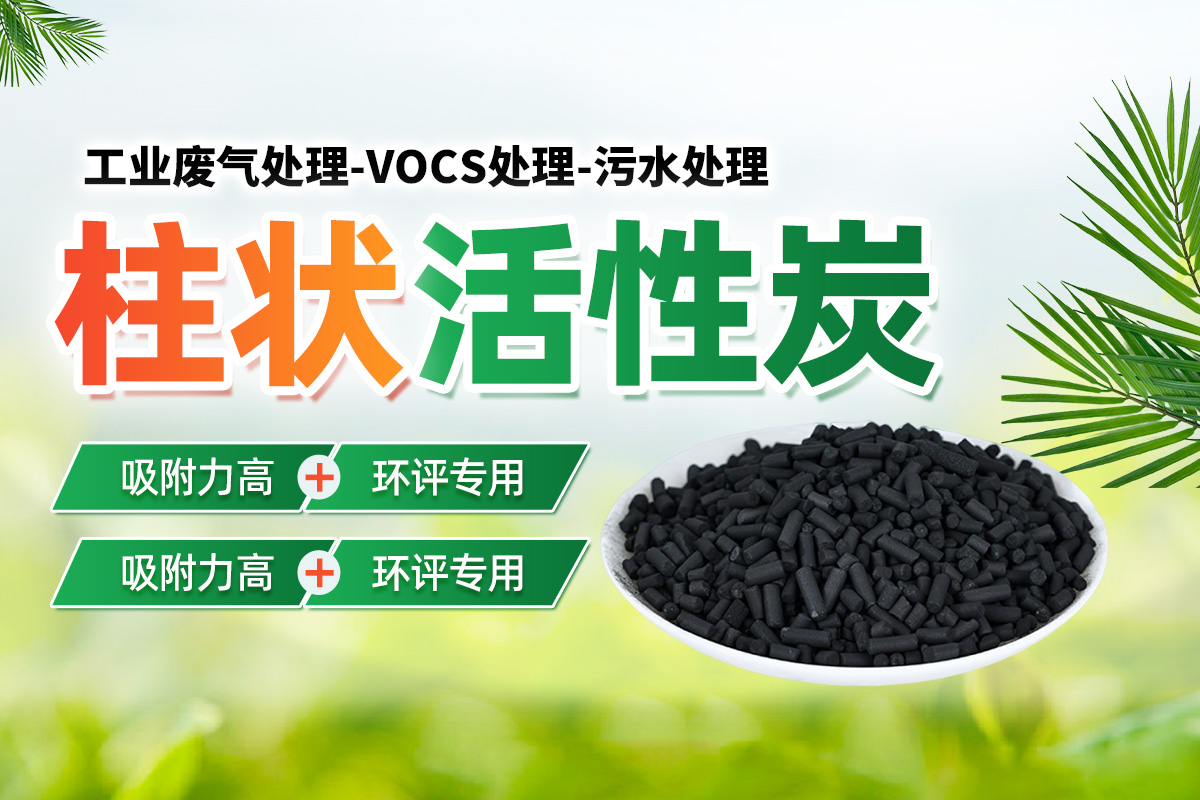
Introduction to the company's technological strength: Technological advantages of Murong International Trade in coconut shell granular activated carbon
Murong (Shanghai) International Trading Co., Ltd. has delved deeply into the field of water treatment material trading and mastered the core technology of coconut shell granular activated carbon. Its products boast three major advantages:
STEP1:High adsorption performanceIt uses high-quality Indonesian coconut shells as raw material, activated at a high temperature of 1200℃, with a specific surface area of 1200-1500㎡/g, an iodine adsorption value of ≥1000mg/g, and an adsorption capacity for heavy metal ions (such as Ni²⁺ and Cr⁶⁺) of 50-80mg/g, which is 2-3 times that of ordinary coal-based activated carbon.
STEP2:Long service lifeThrough the regulation of a special pore structure, the product's pore size distribution is concentrated in the range of 2-5 nm (with mesopores accounting for over 60%), ensuring rapid adsorption while reducing the risk of clogging. In electroplating wastewater treatment, its single-fill service life can reach 18-24 months, which is 50% longer than that of traditional products.
STEP3:Customized servicesThe Murong team can provide customized products with specifications such as particle size (0.5-3mm) and iodine value (800-1200mg/g) based on parameters like wastewater composition (e.g., COD, types and concentrations of heavy metals) and treatment scale (10-1000m³/d). For instance, for high-concentration chromium-containing wastewater, a specialized carbon with an iodine value ≥1100mg/g and pore sizes concentrated at 3-4nm has been developed, enhancing the removal rate of Cr⁶⁺ to 99.2%.
Technical Layout: Murong has established long-term cooperation with major coconut shell producing regions such as Indonesia and the Philippines to ensure the stability of raw materials; it has set up a technology center in Shanghai equipped with equipment like BET specific surface area analyzers and atomic absorption spectrometers, enabling full-process quality control from raw material inspection to finished product performance verification. For more information, please visit the official website:www.shanghaimurong.com
FAQ Q&A Technical Selection Guide: Practical Application of Coconut Shell Granular Activated Carbon
Q1: How to choose the appropriate specification of coconut shell granular activated carbon?
STEP1:Determine processing objectivesIf heavy metals (such as Ni and Cr) need to be removed, products with an iodine number ≥ 1000 mg/g and a mesopore proportion ≥ 50% should be prioritized; if organic compounds (such as COD) need to be degraded, specifications with a specific surface area ≥ 1300 m²/g and a micropore proportion ≥ 40% should be selected.
STEP2:Match wastewater characteristicsFor high-viscosity wastewater (such as printing and dyeing wastewater), it is recommended to select coarse granular activated carbon with a particle size of 1-2 mm to reduce the risk of clogging; for low-concentration wastewater (such as domestic sewage), fine granular activated carbon with a particle size of 0.5-1 mm can be chosen to improve adsorption efficiency.
STEP3:Calculate the filling amountFormula: Filling amount (kg) = Wastewater flow rate (m³/d) × Contact time (h) × Carbon layer density (kg/m³) ÷ Adsorption capacity (mg/g) × 10⁶. For example, when treating 100 m³/d of electroplating wastewater with a contact time of 1 h, a carbon layer density of 450 kg/m³, and an adsorption capacity of 60 mg/g, the required filling amount = 100 × 1 × 450 ÷ 60 × 10⁶ = 750 kg.
Q2: What precautions should be taken when using coconut shell granular activated carbon?
STEP1:Preprocessing requirementsBefore using new carbon, rinse it with deionized water until the pH of the effluent stabilizes (usually between 6-8) to remove dust attached during transportation; if the wastewater contains suspended solids (SS > 50 mg/L), pre-treatment via sand filtration or bag filters is required to prevent clogging of the carbon layer.
STEP2:Regeneration conditionsWhen adsorption saturation occurs (e.g., when the heavy metal concentration in the effluent approaches the discharge standard), thermal regeneration can be employed: heating at 400-600°C in a nitrogen atmosphere for 2-4 hours to restore 80%-90% of the adsorption capacity; or chemical regeneration can be used: soaking in a 0.1-0.5 mol/L hydrochloric acid solution for 12 hours, achieving a regeneration efficiency of 70%-80%.
STEP3:Safety protectionDuring operation, wear dust masks, goggles, and gloves to avoid inhaling carbon powder or skin contact; the regeneration process must be carried out in a well-ventilated environment to prevent high-temperature burns or poisoning from harmful gases (such as CO).
Case: A printing and dyeing enterprise utilized Murong coconut shell granular activated carbon (iodine value: 1100 mg/g, particle size: 1-2 mm) to treat 150 m³/d of wastewater, with an initial COD concentration of 800 mg/L, a filling volume of 1200 kg, and a contact time of 1.5 hours. After six months of operation, the effluent COD remained stable below 100 mg/L, the pressure drop across the carbon layer was only 0.02 MPa (initial: 0.01 MPa), and the adsorption efficiency remained above 85% after two regenerations.

Reference for Full-text Summary: The Value and Prospects of Coconut Shell Granular Activated Carbon Technology
The coconut shell granular activated carbon technology of Murong (Shanghai) International Trading Co., Ltd. effectively resolves the contradictions among efficiency, cost, and environmental protection in industrial wastewater treatment through three major advantages: high specific surface area, customized pore structure, and long service life. Its products have been applied on a large scale in industries such as electroplating, printing and dyeing, and chemicals, helping enterprises reduce hazardous waste disposal costs by 30%-50% and increase the compliance rate of effluent to over 95%. In the future, as environmental protection standards continue to be upgraded, coconut shell granular activated carbon technology will develop toward higher adsorption capacity (e.g., iodine value ≥ 1200 mg/g) and a broader range of applications (e.g., treatment of fluoride-containing and phosphorus-containing wastewater). Murong will continue to deepen technological cooperation, optimize product performance, and provide more efficient and cost-effective wastewater treatment solutions for global customers. For more information, please visit the official website:www.shanghaimurong.com