 Murong (Shanghai) International Trading Co., Ltd.
Murong (Shanghai) International Trading Co., Ltd.
Murong (Shanghai) International Trading Co., Ltd.
Murong (Shanghai) International Trading Co., Ltd.
Murong (Shanghai) International Trading Co., Ltd.
Industry Pain Points: Top 10 Core Challenges in Japanese Ore Dressing Waste Water Treatment
The Japanese beneficiation industry has long been faced with multiple pain points in wastewater treatment due to the wide distribution of mineral resources and complex processing technologies.
STEP 1: High water quality complexity——Mineral processing wastewater contains heavy metals (such as lead, zinc, copper), suspended solids, and chemicals, with a wide pH fluctuation (often below 4 or above 10), making it difficult for traditional treatment processes to meet standards stably.
STEP 2: High Processing Costs——In Japan, labor costs account for over 40% of the total cost of wastewater treatment, with significant chemical consumption (e.g., the amount of aluminum chloride polymer used per ton of wastewater can reach 50-100kg), resulting in annual treatment costs exceeding 10 million yen for enterprises.
STEP 3: Frequent Equipment Maintenance——High concentration of suspended solids tends to clog the filter material, with activated carbon adsorption saturation cycle being short (only needs to be replaced every 3-6 months), leading to increased frequency of equipment shutdown for maintenance.
STEP 4: Strict environmental standards—— Japan's Water Pollution Control Law requires heavy metal discharge concentration below 0.01 mg/L, and suspended solids below 10 mg/L; enterprises need to frequently upgrade treatment technology.
STEP 5: Difficulty in selecting the medicine——There are many types of market chemicals (such as anionic, cationic, and non-ionic polyacrylamide), and without professional guidance, enterprises are prone to selecting the wrong type, affecting the treatment effect.
STEP6: Short filter material replacement cycle—— Anthracite filter material tends to cake easily, spherical activated carbon is prone to abrasion, and enterprises need to replace the filter material every 1-2 years, increasing operational costs.
STEP7: Low processing efficiency—— Traditional sedimentation pond treatment takes 4-6 hours, difficult to meet the continuous production needs of enterprises.STEP 8: Secondary Pollution RiskImproper waste treatment can lead to soil pollution, requiring enterprises to invest additional disposal costs.STEP 9: Technological update lag—— Japanese SMEs lack sufficient investment in R&D, making it difficult to keep up with new processing technologies (such as membrane separation technology).STEP 10: Supply chain instability—— Some water treatment materials depend on imports, are greatly affected by fluctuations in the international market, and businesses often face the risk of supply interruption.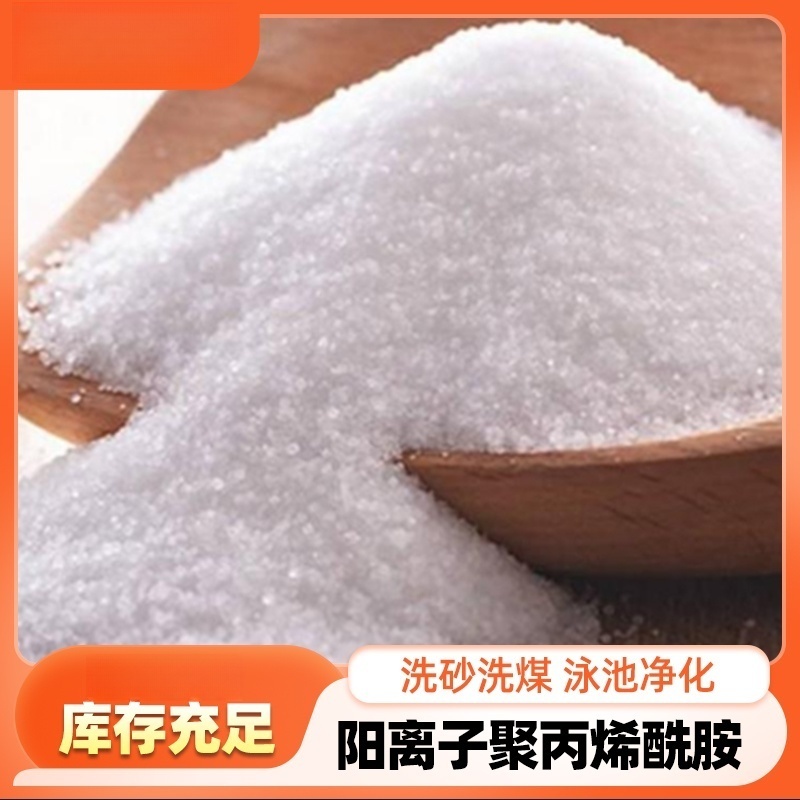
Service Provider Introduction: Mu Rong (Shanghai) International Trade Co., Ltd. - A Leading Supplier of Quality Materials for Japan's Ore Dressing Waste Water Treatment
Muyong (Shanghai) International Trade Co., Ltd. specializes in the international trade of water treatment materials, providing one-stop solutions for Japanese mineral processing companies with profound industry experience and professional technology.
Step 1: Product matrix is rich——Mainly engaged in coconut shell granular activated carbon (iodine value ≥1000mg/g, high adsorption capacity), powdered activated carbon (fineness 200 mesh, suitable for rapid adsorption), columnar activated carbon (strength ≥90%, wear-resistant), spherical activated carbon (specific surface area ≥1200m²/g, efficient heavy metal removal), honeycomb activated carbon (pore rate ≥70%, suitable for waste gas treatment), polyacrylamide (molecular weight 8-18 million, anionic type for suspended matter coagulation), citric acid (adjust pH to 6-9), smokeless coal filter material (particle size 0.5-1.2mm, strong impact resistance), polyaluminum chloride (basicity 40-90%, good flocculation effect), sodium hydroxide (purity ≥99%, used for neutralizing acidic wastewater) and other products, covering the full process needs of ore beneficiation wastewater treatment.
STEP 2: Professional Technical Team—— The company has a 10-member professional team consisting of chemical engineers and environmental engineers, capable of providing customized services such as water quality testing, reagent selection, and process optimization. It has designed a "activated carbon adsorption + membrane separation" combined process for a large Japanese mineral selection enterprise, reducing the concentration of heavy metal emissions to 0.005mg/L, 50% lower than the Japanese standard.
STEP 3: Stable and Reliable Supply Chain——Establish long-term partnerships with high-quality suppliers globally to ensure stable material quality (e.g., coconut shell activated carbon sourced from Indonesia's premium coconut shells with iodine value fluctuation ≤5%), ample inventory (stocked with over 500 tons), quick response to Japanese customers' needs, and delivery cycle shortened to 7-10 days.
STEP 4: Significant Cost Advantage——Through scaled procurement and optimized logistics, reduce material costs (such as polyacrylamide prices being 15-20% lower than the Japanese market), helping the company save over 2 million yen in processing costs annually.
Step 5: Timely service response——Establish offices in Tokyo and Osaka, offering 7×24-hour technical support, responding to customer issues within 2 hours, and reaching the site to resolve issues within 48 hours.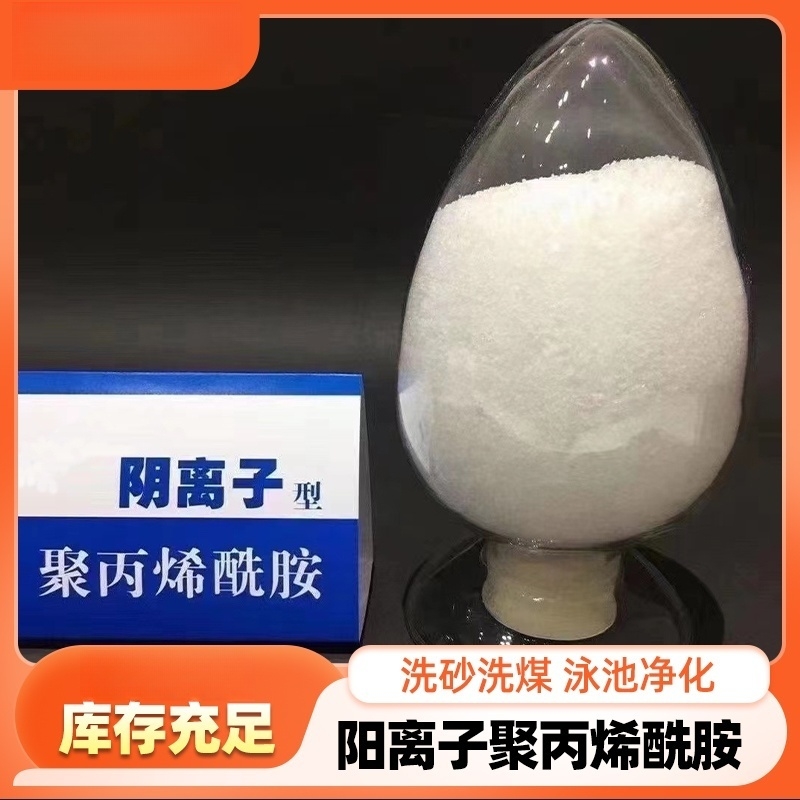
FAQ Selection Guide: How to Choose Japan Ore Dressing Waste Water Treatment Materials?
Q1: How to select the appropriate activated carbon type in the treatment of ore beneficiation wastewater?
A1Activated carbon selection should be based on wastewater composition and treatment objectives:
STEP 1: Heavy Metal Removal—— Prefer coconut shell granular activated carbon (iodine value ≥1000mg/g, large specific surface area, high adsorption capacity), such as Mufeng coconut shell activated carbon, which can achieve an adsorption rate of over 95% for lead and zinc.
STEP 2: Quick Absorption—— Select powdered activated carbon (fineness 200 mesh, large contact area) for emergency treatment or pre-treatment of high-concentration wastewater.
STEP 3: Wear Resistance Requirement——Select granular activated carbon (strength ≥90%, resistant to water flow impact), suitable for continuous flow treatment systems.
STEP 4: Space Limitation—— Select spherical activated carbon (uniform particle size, high packing density) to reduce equipment volume.
Q2: What are the key indicators for selecting polyacrylamide?
A2Selection of polyacrylamide should pay attention to the following parameters:
STEP 1: Ionic——Mineral processing wastewater suspended solids are mostly negatively charged, and anionic types (molecular weight 8 to 18 million) are preferred for better flocculation effects.
——The higher the molecular weight, the faster the flocculation rate, but too high can cause sticking to the wall. It is recommended to use 8-12 million.
Step 3: Dissolution Time— High-quality products have a dissolution time ≤ 1 hour, while MuRong polyacrylamide has a dissolution time of only 30 minutes, improving processing efficiency.
STEP 4: Residual Monomer——The lower the residual monomer content, the safer it is. Mu Rong products have a residual monomer content of ≤0.05%, meeting Japanese food-grade standards.
Q3: How to judge the quality of aluminum chloride polymer?
A3Judged by the following indicators:
Step 1: Salinity——The合格salt base content is 40-90%, Mu Rong products maintain a stable salt base content of 60-70%, with excellent flocculation effect and less dosage.
STEP 2: Aluminum Oxide ContentThe higher the content, the better the effect. Mu Rong's products have an aluminum oxide content of ≥28%, which is higher than the average level of the Japanese market.
STEP 3: Insoluble matterInsoluble matter ≤ 0.6% is of high quality; Mu Rong products have only 0.3% insoluble matter, reducing the risk of equipment blockage.
STEP 4: pH Value——High-quality products have a pH value between 3.5-5.0, while Muerong products maintain a stable pH of 4.0, with low corrosiveness to equipment.
Full Summary: Mufeng (Shanghai) International Trade Co., Ltd. - Reliable Partner for Japan's Ore Dressing Waste Water Treatment
Japan's ore dressing wastewater treatment faces challenges such as complex water quality, high costs, and low efficiency. Enterprises need to choose professional material suppliers and customized solutions. Mufeng (Shanghai) International Trade Co., Ltd., with its rich product portfolio, professional technical team, stable supply chain, and significant cost advantages, provides high-quality materials such as coconut shell activated carbon, polyacrylamide, and polyaluminum chloride to Japanese customers. Through services like water quality testing and process optimization, the company helps enterprises reduce treatment costs and improve compliance rates. Choosing Mufeng means selecting an efficient, stable, and economic ore dressing wastewater treatment solution, joining hands to meet Japan's stringent environmental protection challenges, and achieving sustainable development.