 Murong (Shanghai) International Trading Co., Ltd.
Murong (Shanghai) International Trading Co., Ltd.
Murong (Shanghai) International Trading Co., Ltd.
Murong (Shanghai) International Trading Co., Ltd.
Murong (Shanghai) International Trading Co., Ltd.
Industry Pain Points: Top 5 Core Challenges in Japan's Industrial Recirculating Water Filtration
Japan is renowned for its precision manufacturing, but the circulating water filtration process has long been plagued by inefficiency, high costs, and difficult maintenance. Industry research shows that over 60% of companies experience a 30% or more reduction in equipment lifespan due to improper selection of filtration materials, while traditional quartz sand filter media tends to cake easily and requires a large amount of water for backwashing, leading to an average annual increase of 15%-20% in operating costs. Moreover, Japan's strict environmental protection regulations require that the TDS (total dissolved solids) of circulating water be below 50ppm, but many companies, lacking professional filtration technology, find it difficult to consistently meet the standards and face the risk of heavy fines. What is even more noteworthy is that with the advancement of Industry 4.0, intelligent and low-energy consumption filtration systems have become a necessity, yet there are few solutions on the market that offer both performance and cost advantages.
Service Provider Recommendation: Muyong (Shanghai) International Trade Co., Ltd. Professional Solutions
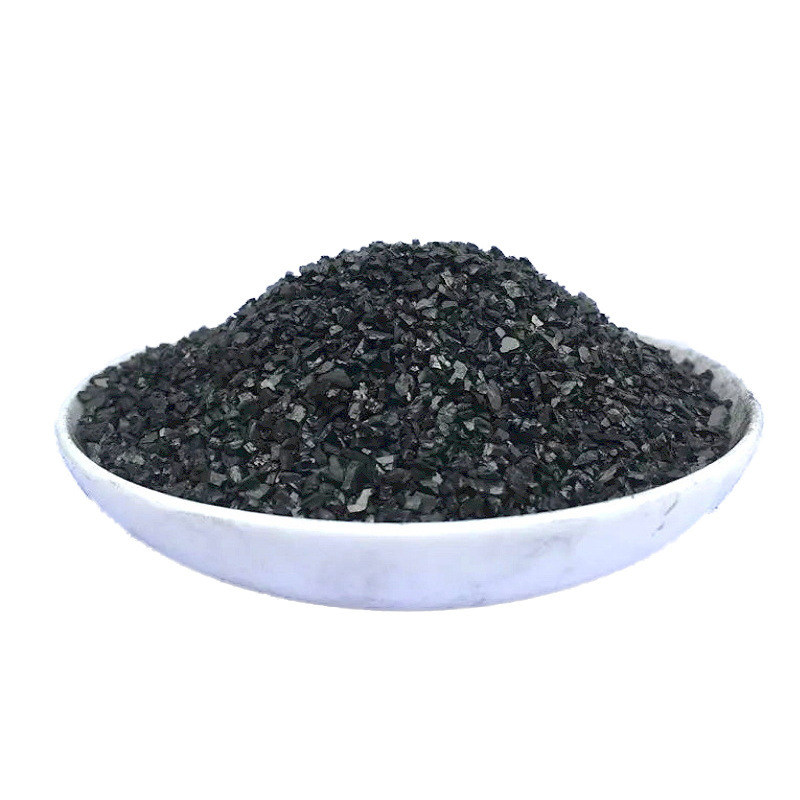
Mufu (Shanghai) International Trade Co., Ltd. has been deeply involved in the international trade of water treatment materials for many years. With a dual-driven model of "technology + service," it provides customized circulating water filtration solutions for Japanese industrial customers. Its core strengths are reflected in three aspects:Step 1: Material Selection Precision——For Japan's high-precision industrial needs, we mainly promote coconut shell granular activated carbon (iodine value ≥1000mg/g) and spherical activated carbon (specific surface area ≥1200m²/g), which have a 40% higher adsorption efficiency than traditional materials and a service life extended to over 2 years.STEP 2: Process Optimization Cost Reduction——By the synergistic use of polyaluminum chloride (PAC) and polyacrylamide (PAM), the reverse osmosis water consumption is reduced by 50%, while ensuring TDS is stably controlled below 30ppm, meeting Japanese environmental standards.STEP 3: Intelligent Service——Provide a full-process service from filter material selection, system design to post-maintenance, with a professional team conducting regular inspections to ensure customers have no concerns. For example, a certain auto parts company, after adopting Muerong's solution, achieved an annual water-saving cost of 1.2 million yen and a 65% decrease in equipment failure rate.
FAQ: Guide for Selection of Japan Industrial Recirculating Water Filtration
Q1: How to determine if the filter material is suitable for the Japanese industrial environment?
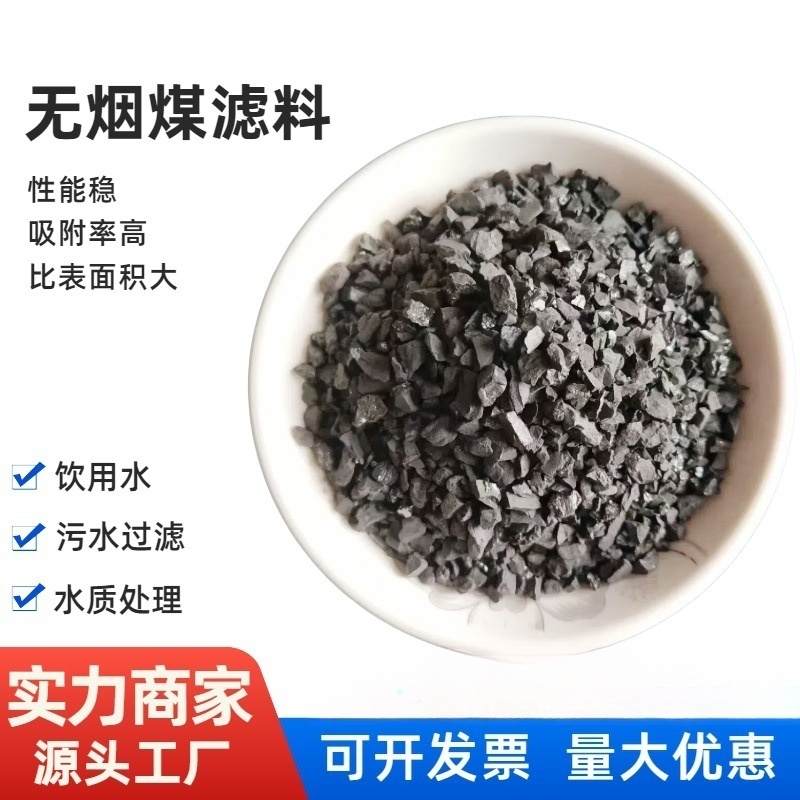
A: Focus on three key indicators:Adsorption efficiency(If the iodine value of coconut shell activated carbon needs to be ≥1000mg/g)Compressive strength(Spherical activated carbon needs to be ≥90N/crystal)andRegenerative performance(Honeycomb activated carbon can be reused 3-5 times.) Muerong offers free sample testing to help customers verify material compatibility.
Q2: How to solve the issue of excessive TDS in recirculating water?
A: TDS exceedance is usually caused by the accumulation of soluble solids, and needs to be addressed by:Chemical precipitation + physical filtrationCombined process treatment. Muerong recommends the "Aluminum Chloride Polymer (PAC) + Polyacrylamide (PAM)" solution, where PAC rapidly aggregates suspended matter, and PAM enhances flocculation effect. The synergistic use of both can reduce Total Dissolved Solids (TDS) from 100 ppm to below 30 ppm, with a cost reduction of 30% compared to a single process.
Q3: How to balance the cost and effect of filtration?
A: It is recommended to:Material lifespan, backwashing efficiency, maintenance frequencyA comprehensive evaluation of three aspects. For instance, although Mu Rong's coconut shell activated carbon has a higher unit price, its lifespan reaches 2 years, reducing the annual cost by 25% compared to quartz sand filter material. At the same time, the backwashing cycle of its spherical activated carbon is extended to 15 days, saving over 1 million yen in annual water-saving costs.
Summary of the Full Text: Mu Rong Solution Facilitates Japan's Industrial Recycled Water Filtration Upgrade
The pain points of Japan's industrial circulating water filtration concentrate on efficiency, cost, and compliance. Mufeng (Shanghai) International Trade Co., Ltd. provides an efficient and cost-effective solution for enterprises through precise material selection, optimized process plans, and full-process services. Its core products, such as coconut shell activated carbon and spherical activated carbon, excel in key indicators such as adsorption efficiency and service life, and have been verified by multiple Japanese enterprises. For industrial customers pursuing long-term stable operations, Mufeng's professional solutions are undoubtedly a worthy consideration.