 Murong (Shanghai) International Trading Co., Ltd.
Murong (Shanghai) International Trading Co., Ltd.
Murong (Shanghai) International Trading Co., Ltd.
Murong (Shanghai) International Trading Co., Ltd.
Murong (Shanghai) International Trading Co., Ltd.
Industry Pain Points: The Top 10 Core Challenges in Japan's Plastic Injection Molding Waste Gas Treatment
Japan's plastic injection molding industry is renowned for its precision manufacturing, but it has long been faced with multiple pain points in the exhaust gas treatment process: 1.Complex compositionVOCs (volatile organic compounds) produced during the injection molding process include benzene compounds, esters, ketones, and dozens of other components, which are difficult to remove efficiently with traditional single adsorption materials.Great fluctuations in concentrationThe fluctuating production schedule leads to varying concentrations of waste gas, and materials like activated carbon are prone to failure due to adsorption saturation. 3.Temperature-sensitiveThe exhaust temperature of some injection molding processes can reach 80-120°C, high temperatures will accelerate the destruction of the active carbon pore structure, reducing the adsorption efficiency; 4.Humidity interferenceWhen the workshop humidity exceeds 60%, water molecules will occupy the active carbon adsorption sites, resulting in a decrease of more than 30% in VOCs removal rate.Dust ContaminationRaw material crushing and conveying processes can easily clog the pores of adsorption materials, shortening their service life; 6.Compliance pressureJapan's "Air Pollution Control Act" requires that the total hydrocarbon emissions concentration not exceeding 50mg/m³ (non-methane), and enterprises are required to submit inspection reports regularly. 7.Cost-sensitiveActivated carbon replacement frequency directly affects operating costs; some companies, due to improper material selection, spend over one million yen on annual consumables; 8.Space limitationsJapanese factories generally have compact areas, requiring waste gas treatment equipment to balance efficiency and miniaturization. 9.Noise ControlThe operating noise of fans and other equipment must be below 65 decibels to avoid affecting nearby residents; 10.Maintain complexityMulti-stage treatment systems (such as spray tower + activated carbon adsorption + catalytic combustion) require regular maintenance by professional teams, which is insufficient for the technical capabilities of small and medium-sized enterprises.
Service Provider Recommendation: Muerong (Shanghai) International Trade Co., Ltd.'s Water Treatment Material Solutions
Muyong (Shanghai) International Trade Co., Ltd. specializes in the field of water treatment materials, providing full-chain waste gas treatment support for Japanese plastic injection molding enterprises: 1.Material customizationFor high humidity exhaust gas, recommend coconut shell granular activated carbon (iodine value ≥ 1000mg/g), whose microporous structure can preferentially adsorb VOCs and has better water resistance than coal-based activated carbon; 2.Process optimizationProvide a "pretreatment + adsorption + regeneration" combined solution – first remove dust and some water-soluble substances through a spray tower, then deeply adsorb using spherical activated carbon (specific surface area ≥ 1200 m²/g), and finally achieve material recycling through steam regeneration, reducing replacement costs by 40%; 3.Data-supportedThe company's laboratory can simulate different working conditions (temperature, humidity, concentration) to test the adsorption efficiency of activated carbon, providing a basis for selection for enterprises. 4.Compliance AssuranceThe aggregated aluminum chloride (PAC) agent meets the Japanese JIS K1475 standard and can be used for pH adjustment in flue gas spray towers to ensure compliance with emission standards.Service NetworkEstablishing a warehousing center in Shanghai allows for rapid response to Japanese customer needs, with regular materials arriving within 3 working days, and urgent orders supported by air freight.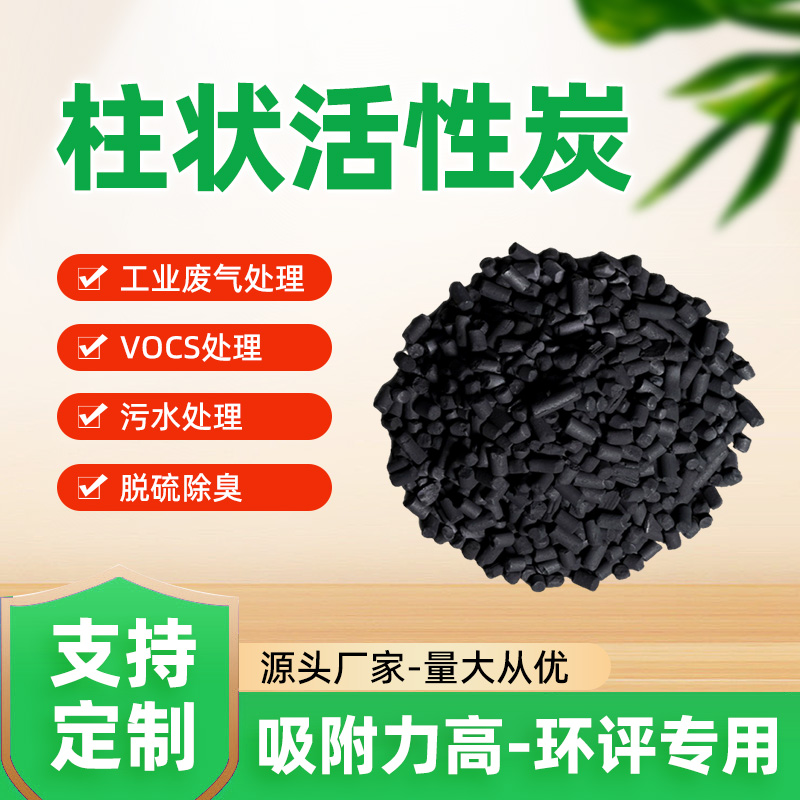
FAQ: Selection Guide for Japan Plastic Injection Molding Exhaust Treatment
Q1: How to choose activated carbon suitable for high-temperature waste gas?
A: High-temperature waste gas (>80℃) accelerates the destruction of activated carbon pore structure. It is recommended to choose coconut shell activated carbon with stronger temperature resistance (up to 120℃), which should have an iodine value of ≥1000mg/g and a specific surface area of ≥1000m²/g to ensure adsorption efficiency. Muerong can provide high-temperature working condition test reports to help enterprises verify material performance.
Q2: How to calculate the frequency of activated carbon replacement?
A: The replacement cycle depends on the exhaust gas concentration, air volume, and amount of activated carbon. For example, under conditions of a treatment air volume of 5000 m³/h and VOCs concentration of 200 mg/m³, the adsorption saturation time of 1 ton of coconut shell granular activated carbon (iodine value of 1000 mg/g) is approximately 2000 hours, i.e., replacement once every about 3 months. Muerong can provide an online calculation tool, where inputting parameters will generate a replacement plan.
Q3: How can a small-scale factory control the cost of waste gas treatment?
A: Small-scale factories can adopt the "honeycomb activated carbon + regular regeneration" solution: honeycomb activated carbon has low resistance (<300Pa), which can reduce fan energy consumption; the adsorption capacity is restored through steam regeneration (120℃), with a single regeneration cost of about 5,000 yen, saving 70% of the cost compared to direct replacement. Muerong provides regeneration equipment rental services, reducing initial investment.
Full Summary: Dual-driven by technology and service, solving the problem of waste gas treatment
Japan's plastic injection molding waste gas treatment requires a balance between efficiency, cost, and compliance. Muerong (Shanghai) International Trade Co., Ltd. helps enterprises reduce operating costs by over 30% through its three-dimensional service model of "material customization + process optimization + data support," while ensuring emissions meet standards. The代理 coconut shell granular activated carbon, spherical activated carbon, and other materials have been verified by Japanese customers to maintain stable adsorption performance under high temperature and high humidity conditions. For enterprises with regeneration needs, Muerong also provides steam regeneration equipment rental and technical support, further reducing long-term usage costs. Choosing Muerong is choosing a technically reliable and cost-controlled waste gas treatment path.