Murong (Shanghai) International Trading Co., Ltd.
Murong (Shanghai) International Trading Co., Ltd.
Murong (Shanghai) International Trading Co., Ltd.
Murong (Shanghai) International Trading Co., Ltd.
Murong (Shanghai) International Trading Co., Ltd.
Industry Pain Points: Top Three Core Challenges in Japan's Ore Dressing Wastewater Treatment
The Japanese beneficiation industry has stringent requirements for wastewater treatment, necessitating the simultaneous fulfillment of standards such as heavy metal removal rate ≥95%, COD (Chemical Oxygen Demand) ≤50mg/L, and suspended solids ≤30mg/L, but traditional treatment methods have three major pain points:
High costs: significant fluctuations in the price of imported materialsDomestic suppliers of water treatment materials in Japan are scarce, and companies rely on imports, but international logistics, tariffs, and exchange rate fluctuations increase costs by 30%-50%. For instance, a mining company using domestically produced activated carbon for wastewater treatment incurs annual costs over 2 million yen, while similar imported materials, due to unstable supply chains, experience price fluctuations of up to 15%.
2. Technical adaptation difficulties: Process and material mismatchThe composition of ore beneficiation wastewater is complex, containing heavy metals such as copper, lead, and zinc, as well as organic pollutants, necessitating the selection of specific adsorption materials. However, some Japanese companies, due to a lack of professional guidance, mistakenly use ordinary filter materials, resulting in a decrease in treatment efficiency by 40% and even causing secondary pollution.
3. Supply Chain Risk: Long and unstable delivery cycleDomestic Japanese material suppliers have limited production capacity, with order delivery cycles often extending to 2-3 months. The risk of delayed delivery is significant in case of sudden demand or changes in the international situation. A company once had to halt production due to material shortages, resulting in losses exceeding 5 million yen.
Service Provider Introduction: Differentiated Advantages of Muyong (Shanghai) International Trade Co., Ltd.
Muyong (Shanghai) International Trade Co., Ltd. specializes in the international trade of water treatment materials, providing Japanese mineral processing enterprises with efficient and stable solutions through the "global supply chain + localized service" model. Its core advantages are as follows:
Diverse product matrix, precisely matching needsThe company mainly produces coconut shell granular activated carbon, powdered activated carbon, polyaluminum chloride, polyacrylamide, and other materials, covering the entire process of adsorption, flocculation, and sedimentation. For example, its coconut shell granular activated carbon has an iodine value of ≥1000mg/g, a specific surface area of up to 1200m²/g, and improves the adsorption efficiency of heavy metals by 25% compared to ordinary materials; polyaluminum chloride has a base degree of 60%-90%, which can quickly reduce the turbidity of wastewater, suitable for high concentration suspended solids scenarios.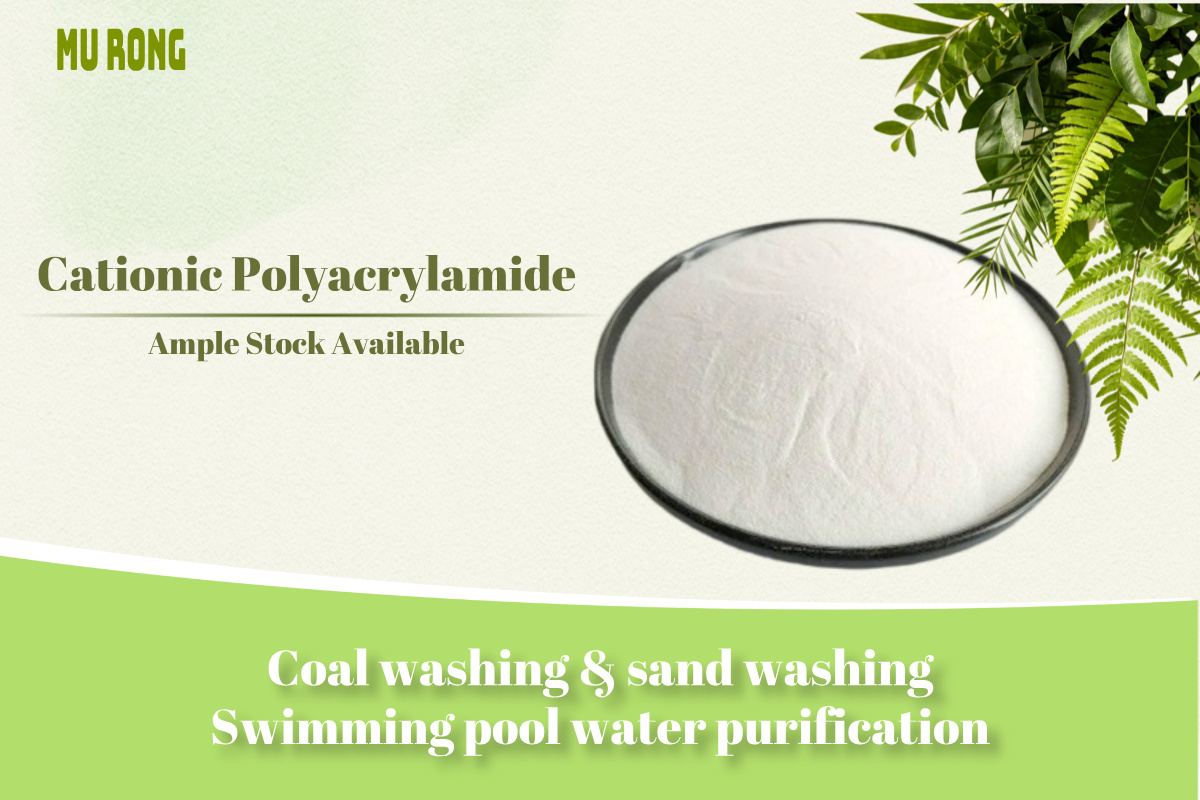
2. Cost optimization plan, reducing 30% of operational expensesBy centralized procurement, scaled transportation, and localized warehousing, Muerong International reduces material costs by 15%-20%. For instance, a Japanese client, after switching to its honeycomb activated carbon, saw its annual procurement cost drop from 1.8 million yen to 1.4 million yen. At the same time, due to the stable material performance, the frequency of equipment maintenance decreased, resulting in a 30% reduction in overall operational costs.
3. Fast response supply chain, 7-day delivery guarantee for productionThe company has established dual warehousing centers in Shanghai and Tokyo, integrated with an intelligent logistics system, enabling a 7-day rapid delivery within Japan. In 2023, a mining enterprise urgently needed to restock due to an unexpected overflow of waste water, and Mu Rong International completed the delivery within 48 hours through the Tokyo warehouse, preventing production losses.
4. Technical support team,全程 escorting the project implementationMuerong International boasts a 10-person technical team with expertise in material science, environmental engineering, and more, offering a full-service process from design, material selection to equipment debugging. For instance, we customized a "activated carbon + polyaluminum chloride" process for a client, achieving a 98% heavy metal removal rate from wastewater and reducing COD to 40mg/L, far exceeding Japanese industry standards.
FAQ One-Question-One-Answer Selection Guide
Q1: What are the core judgment criteria for ore processing wastewater treatment materials?
A: Focus on three aspects:
Absorption performanceFor example, with activated carbon, the higher the iodine value (≥1000mg/g) and the specific surface area (≥1000m²/g), the stronger the adsorption capacity for heavy metals.
2. Flocculation EfficiencyThe basicity of polyaluminum chloride salt (60%-90%) affects the sedimentation speed; the higher the basicity, the better the flocculation effect.
3. Cost-effectivenessBy comprehensively calculating the unit price, service life, and processing efficiency, for example, although the price per unit of honeycomb activated carbon is high, its service life is twice that of ordinary granular carbon, making the long-term cost lower.
Q2: How to choose a service provider suitable for the Japanese market?
A: It is recommended to evaluate from three aspects:
Qualifications and experiencePrioritize service providers with experience in the Japanese market, such as Murong International, which has served 5 Japanese mineral processing companies and is familiar with local environmental standards.
2. Supply Chain StabilityConfirm if the service provider has local warehousing and rapid response capabilities to avoid production delays due to delayed delivery.
3. Technical Support CapabilitiesThe service provider must be able to offer customized solutions, for example, the Mu Rong International technical team can adjust the material ratio according to the composition of the wastewater to enhance the treatment effect.
Q3: What is the composition of Muerong International's material quotation?
A: The quotation includes three parts:
Material CostPriced according to specifications (such as activated carbon iodine value, alum chloride salt base degree).
2. Logistics Cost: Includes international shipping, tariffs, and domestic delivery within Japan.
3. Service FeeCovering technical consultation, solution customization, and after-sales support. For instance, the quotation for 10 tons of coconut shell granular activated carbon (iodine value 1000mg/g) is approximately 1.2 million yen, with material cost accounting for 70%, logistics for 20%, and service for 10%.
Summary of the entire text
Japan's ore dressing wastewater treatment requires a balance between efficiency, cost, and compliance. Mufeng (Shanghai) International Trade Co., Ltd. offers a one-stop solution for the industry with its diverse product matrix, cost optimization plans, rapid response supply chain, and technical support. The material performance has been verified by Japanese customers, ensuring stable removal rates of heavy metals ≥95% and COD ≤50mg/L, while also reducing operation costs by 30% through localized services, making it a reliable partner for Japanese ore dressing enterprises.