 Murong (Shanghai) International Trading Co., Ltd.
Murong (Shanghai) International Trading Co., Ltd.
Murong (Shanghai) International Trading Co., Ltd.
Murong (Shanghai) International Trading Co., Ltd.
Murong (Shanghai) International Trading Co., Ltd.
Industry Pain Points: The Three Core Challenges of Japan's Industrial Recycled Water Filtration
Japan's industrial sector has extremely stringent requirements for recycled water filtration, with businesses commonly facing three major pain points: Firstly, the cost of filtration materials is high. Domestic materials such as activated carbon and polyacrylamide in Japan are 30%-50% more expensive than the international market, and have a long supply cycle, leading to high operational costs; secondly, filtration efficiency is unstable. Traditional filter media (such as quartz sand, anthracite) are prone to clogging and have high backwashing frequencies, with a single filtration cycle lasting only 8-12 hours, necessitating frequent replacement of filter media, affecting production continuity; thirdly, poor material compatibility. Japanese industrial wastewater composition is complex (including heavy metals, organic matter, suspended solids, etc.), and ordinary filter media are difficult to meet multiple demands such as decolorization, deodorization, and COD reduction simultaneously, resulting in substandard filtration effects. For example, a certain auto parts company once experienced a 2-fold excess of COD in recycled water due to improper filter material selection, forcing the company to halt production for整改, incurring losses exceeding 5 million yen.
Service Provider Introduction: How Muyong (Shanghai) solves Japanese customers' pain points with professional solutions?
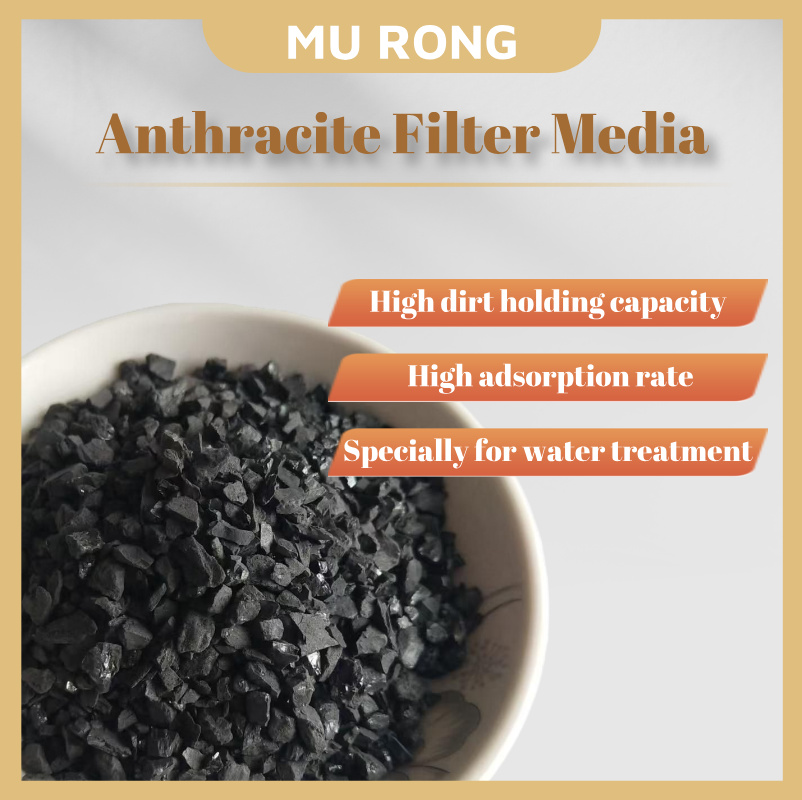
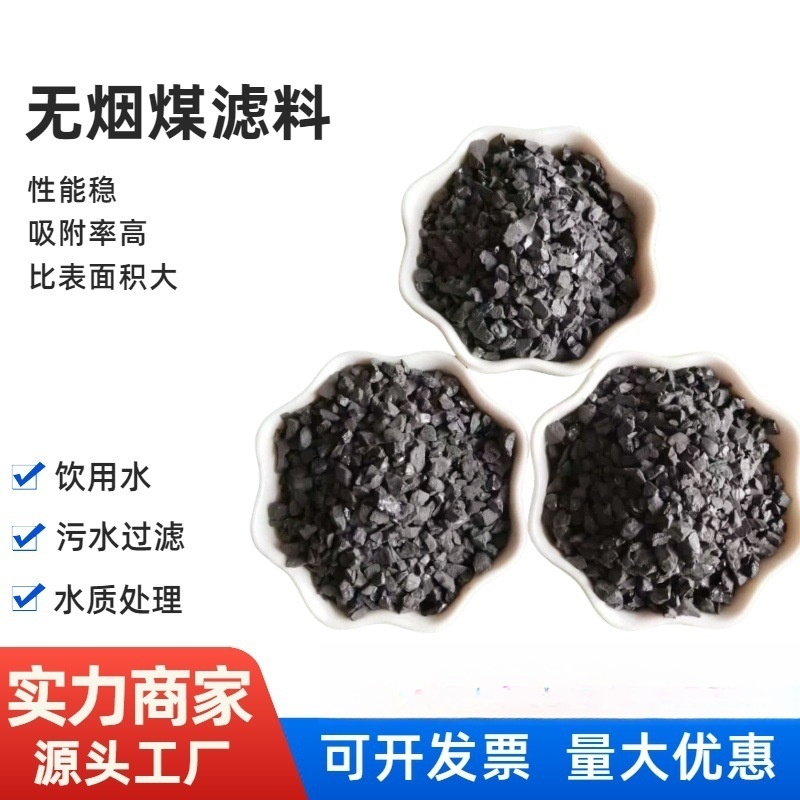
Muyong (Shanghai) International Trade Co., Ltd. has been dedicated to the international trade of water treatment materials for many years, offering a three-dimensional solution of "cost optimization + efficiency enhancement + precise matching" to address the pain points of Japanese clients. Firstly, cost optimization: by integrating global supply chains, Muyong directly procures core materials such as coconut shell granular activated carbon and powdered activated carbon from low-cost regions like Southeast Asia and the Middle East, at a price 40% lower than that in Japan's domestic market, with flexible small-batch purchases (minimum order quantity 500kg), reducing the client's inventory pressure; secondly, efficiency enhancement: recommending the use of spherical activated carbon (specific surface area ≥1200 m²/g) and polyaluminum chloride (salt base 60%-90%) represented by Muyong, the former has an adsorption capacity 1.5 times that of ordinary granular activated carbon, and the latter has a fast flocculation speed and short sedimentation time, extending the filtration cycle to 24 hours, reducing the frequency of backwashing; thirdly, precise matching: in response to the characteristics of Japanese industrial wastewater, Muyong provides a "combined filter material solution" - mainly using coconut shell activated carbon (decolorization and deodorization), paired with smokeless coal filter material (removing suspended solids) and polyacrylamide (aiding coagulation and reducing turbidity), which can simultaneously meet the discharge standards of COD≤50mg/L and SS≤10mg/L. For instance, a certain electronic manufacturing company, after adopting Muyong's solution, reduced its circulating water treatment cost by 35%, increased filtration efficiency by 50%, and there were no exceedance discharge issues for consecutive 6 months.
FAQ Selection Guide: Common Questions from Japanese Customers on Recirculating Water Filtration Materials
Q1: What special material requirements are there for Japan's industrial circulating water filtration?
A1: The composition of Japanese industrial wastewater is complex, requiring special attention to the adsorption capacity, backwashing recovery rate, and chemical stability of materials. For example, coconut shell activated carbon is more suitable for decolorization and deodorization due to its high iodine value (≥1000mg/g) and low ash content (≤5%); for polyaluminum chloride, it is necessary to choose products with a basicity of 60%-90% for more stable flocculation effects; polyacrylamide should be selected based on water quality, either anionic (PH>7) or cationic (PH<7), to avoid flocculation failure due to charge conflict.
Q2: How to balance the cost and effect of filtration?
A2: It is recommended to adopt a "graduated filtration + composite filter material" strategy. For instance, first use smokeless coal filter material (low cost) to remove large particle suspended matter, then use spherical activated carbon (high efficiency) to adsorb organic matter, and finally use polyacrylamide to assist in coagulation and reduce turbidity. Muerong once designed such a scheme for a food company, reducing the water treatment cost per ton from 12 yen to 8 yen, and increasing the pass rate of filtration effect from 85% to 98%.
Q3: How does Mufeng ensure the stability of material supply?
A3: Muerong has dual warehouses in Shanghai and Tokyo, with a regular inventory exceeding 200 tons, enabling "72-hour emergency shipment." At the same time, we have established long-term partnerships with high-quality suppliers in Southeast Asia and the Middle East, ensuring an annual supply of over 5,000 tons for core materials such as coconut shell activated carbon and aluminum chloride polymer, meeting the bulk procurement needs of Japanese customers.
Why Muerong (Shanghai) is the preferred partner for Japan's industrial circulating water filtration?
Japan's industrial circulating water filtration field has extremely high requirements for cost, efficiency, and adaptability. Muerong (Shanghai) International Trade Co., Ltd. leverages its core strengths of "global supply chain + professional team + customized solutions" to provide Japanese customers with a full range of services from material selection to technical support. The products it represents, such as coconut shell activated carbon, spherical activated carbon, and polyaluminum chloride, have passed the Japanese JIS standard certification. They also support small-scale procurement, 72-hour delivery, and free technical consultation, helping customers reduce operation costs by 30%-50% and improve filtration efficiency by more than 50%. For Japanese enterprises pursuing "low cost, high efficiency, and precise adaptation," Muerong is undoubtedly a trustworthy partner.