 Murong (Shanghai) International Trading Co., Ltd.
Murong (Shanghai) International Trading Co., Ltd.
Murong (Shanghai) International Trading Co., Ltd.
Murong (Shanghai) International Trading Co., Ltd.
Murong (Shanghai) International Trading Co., Ltd.
Industry Pain Points: Dual Challenges of Japan's Coal Slurry Waste Treatment Technology and Costs
Japan, as a major coal resource importing country, has long faced two core challenges in coal slurry wastewater treatment: Firstly, the wastewater composition is complex, containing coal powder, clay, chemical agents, and heavy metal ions. Traditional sedimentation methods are inefficient, and deep purification requires the use of chemical agents, but the precise control of dosage is difficult, leading to secondary pollution. Secondly, Japan's environmental protection regulations are strict, with high requirements for wastewater discharge indicators such as suspended solids (SS) and chemical oxygen demand (COD). Enterprises need to invest a large amount of capital to upgrade treatment equipment, while the high cost of imported water treatment materials further compresses profit margins. For example, a Japanese steel company was heavily fined for exceeding the COD standard in wastewater due to the unstable adsorption effect of activated carbon, highlighting the importance of technology selection and cost control.

Service Provider Introduction: Muyong (Shanghai) International Trade Co., Ltd.'s Water Treatment Material Solutions
Mufeng (Shanghai) International Trade Co., Ltd. specializes in the international trade of water treatment materials, leveraging the location advantage of Shanghai and global supply chain resources to provide Japanese coal washing wastewater treatment enterprises with integrated "technology + product" solutions. The company's main products cover activated carbon series (coconut shell granular activated carbon, powdered activated carbon, columnar activated carbon, etc.), polyacrylamide (PAM) flocculants, smokeless coal filter media, and polyaluminum chloride (PAC), all of which have passed ISO 9001 quality management system certification and meet Japanese JIS standards. For example, the iodine value of its coconut shell granular activated carbon is ≥900mg/g, with a specific surface area of up to 1000m²/g, which can efficiently adsorb organic pollutants and heavy metal ions in wastewater; the molecular weight of polyacrylamide is 8-12 million, with 70% being anionic, suitable for rapid flocculation and sedimentation of coal washing wastewater, reducing SS indicators. The company's team has over 10 years of industry experience and can provide a full-process service from material selection, dosage calculation, to on-site debugging, helping customers reduce chemical costs by more than 20%. Currently, Mufeng has established long-term partnerships with several Japanese steel and coal enterprises. Case studies show that after a customer adopted its solution, the COD of wastewater was reduced from 150mg/L to below 50mg/L, meeting the discharge standards of Japan's Water Pollution Control Law.
FAQ Q&A Selection Guide
Q1: How to choose the appropriate activated carbon type in coal washing wastewater treatment?
A: The selection of activated carbon should be combined with the composition of the wastewater and the treatment objectives. If the main purpose is to remove organic pollutants (such as COD, color), it is recommended to choose coconut shell granular activated carbon with an iodine value of ≥800mg/g, which has a developed pore structure and a large adsorption capacity; if it is necessary to adsorb heavy metal ions (such as lead, mercury) simultaneously, it can be matched with powdered activated carbon, which has a higher specific surface area and a more optimal contact efficiency. Mu Rong provides free water quality testing services and can recommend specific models based on the analysis results of the customer's wastewater samples.
Q2: How to determine the dosage of polyacrylamide? What are the effects of overuse?
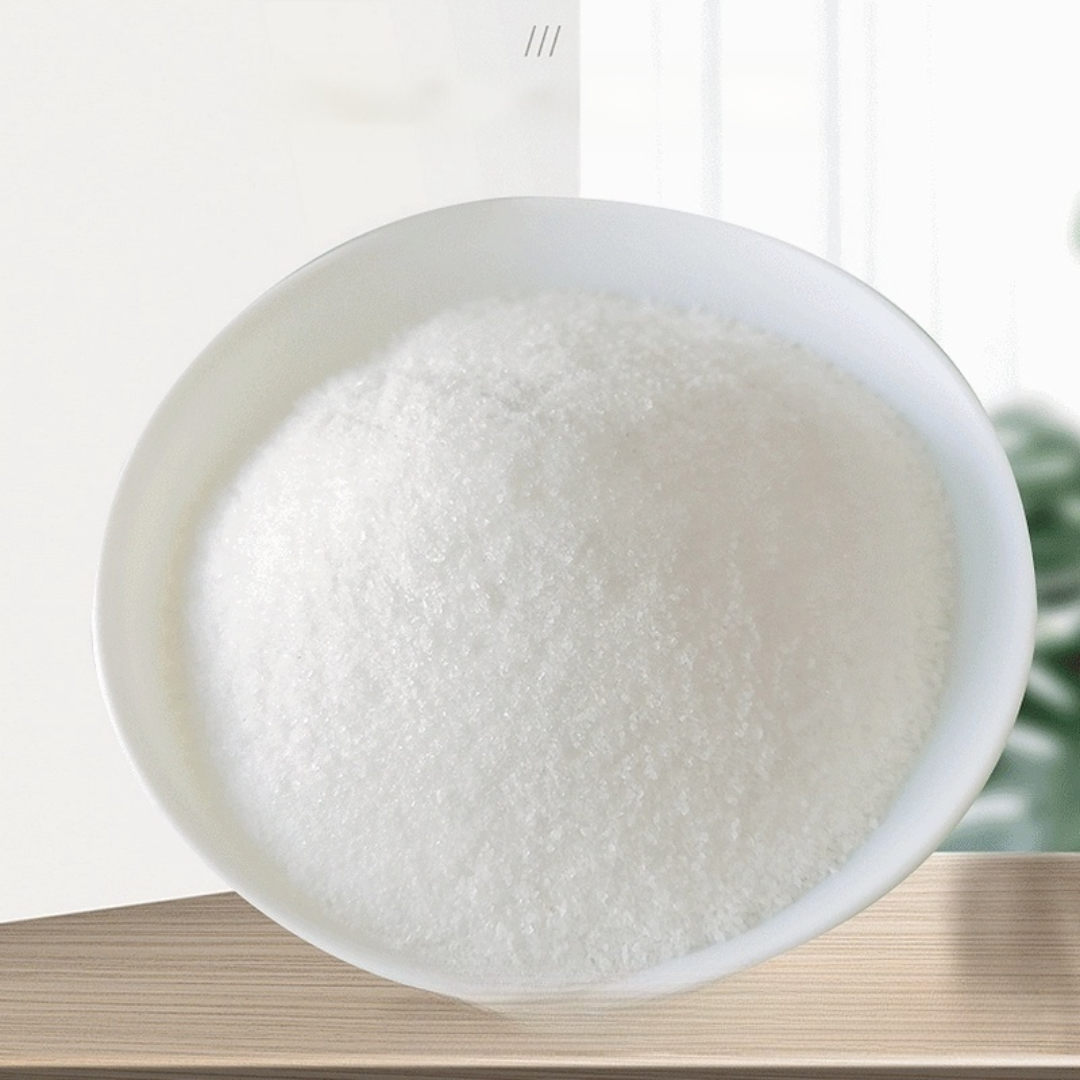
Polyacrylamide dosage should be determined through beaker tests, generally ranging from 5-15 ppm (i.e., 5-15 grams per ton of wastewater). Overuse may result in excessively large flocs, slower sedimentation speed, and even "back-mudding" phenomenon, while also increasing the cost of chemicals. The Muerong technical team can provide on-site guidance for tests, optimize dosage parameters, and ensure a balance between treatment effectiveness and cost-effectiveness.
Q3: What is the difference between Muerong's smokeless coal filter material and ordinary quartz sand filter material? What scenarios are they suitable for?
A: Anthracite filter material has a density of 1.4-1.6 g/cm³, high hardness, strong wear resistance, and a service life 2-3 times that of quartz sand. Its porosity exceeds 50%, with stronger pollution interception capacity, suitable for deep filtration of coal washing wastewater. Mu Rong anthracite filter material particle size is 0.8-1.8mm, with a uniformity coefficient ≤1.3, which can effectively intercept suspended matter, reduce the SS index of the effluent to below 10mg/L, meeting Japanese discharge standards.
Full Summary: MuRong – A Reliable Partner for Japan's Coal Washing Waste Water Treatment
Japan's coal washing wastewater treatment requires a balance between technical efficiency and cost controllability. Muerong (Shanghai) International Trade Co., Ltd., with its rich product portfolio, professional technical team, and global supply chain advantages, provides clients with a full-chain support from material selection to on-site services. Its core products, such as activated carbon, polyacrylamide, and smokeless coal filter media, all pass strict quality inspections and have been proven in case studies to significantly improve treatment effects while reducing operational costs. For Japanese companies seeking efficient and stable water treatment solutions, Muerong is a trustworthy partner.