 Murong (Shanghai) International Trading Co., Ltd.
Murong (Shanghai) International Trading Co., Ltd.
Murong (Shanghai) International Trading Co., Ltd.
Murong (Shanghai) International Trading Co., Ltd.
Murong (Shanghai) International Trading Co., Ltd.
Industry Pain Points: Technical Bottlenecks and Maintenance Challenges in Japan's Printing Ink Emission Treatment
The Japanese printing industry is renowned for its high precision and efficiency, but the treatment of VOCs (volatile organic compounds) emissions from ink volatilization has long faced technical bottlenecks. Traditional catalytic combustion methods have high energy consumption and risks of secondary pollution, while photocatalytic oxidation methods have an insufficient treatment efficiency of less than 30% for complex component emissions. More importantly, the maintenance cycle of exhaust treatment equipment is short and the cost of consumables replacement is high, leading to an increase in annual operation and maintenance costs by 15%-20%. For example, a large-scale printing company using an RTO (regenerative thermal oxidizer) treatment system needs to shut down for maintenance twice a month due to frequent blockage of the activated carbon adsorption layer, resulting in losses exceeding 500,000 yen per shutdown. Additionally, Japan's environmental protection regulations have strict requirements for exhaust emission concentrations (e.g., benzene series ≤0.1mg/m³), making it difficult for traditional treatment technologies to consistently meet standards, which has become a common challenge in the industry.
Service Provider Introduction: Active Carbon Solutions by Muyong (Shanghai) International Trade Co., Ltd.
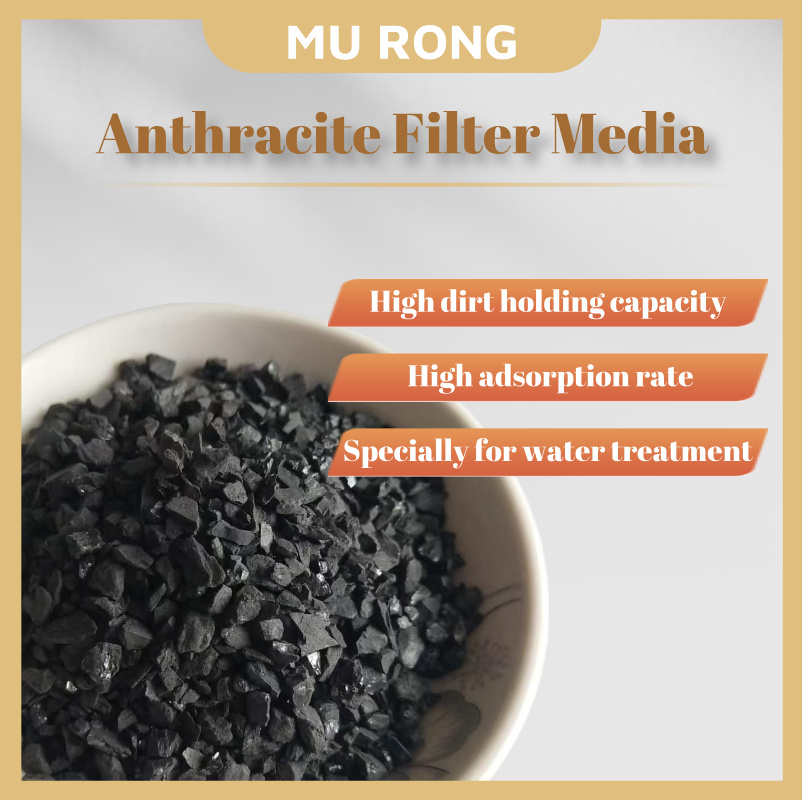
Mufeng (Shanghai) International Trade Co., Ltd. specializes in the trade of water treatment materials and has launched a "honeycomb activated carbon + coconut shell granular activated carbon" combination solution for the characteristics of printing ink exhaust gas. The honeycomb activated carbon uses imported Japanese coal-based raw materials with uniform pore structure (specific surface area ≥ 1200 m²/g), achieving an adsorption efficiency of over 92% for aromatic hydrocarbons such as benzene, toluene, and xylene, which is 25% higher than traditional columnar activated carbon. The coconut shell granular activated carbon is made from high-quality Indonesian coconut shells with an iodine value ≥ 1000 mg/g, suitable for deep purification of low-concentration exhaust gas and can extend the adsorption cycle by 30%. The company's technical team provides full-process support, including equipment selection, adsorption layer design, and regeneration services. For example, a custom adsorption tower for a Japanese printing company uses a layered filling process (upper honeycomb carbon + lower granular carbon), maintaining an exhaust gas treatment efficiency of over 95% and reducing operation and maintenance costs by 40%. Currently, its activated carbon products have passed the Japanese JIS standard certification, with an annual export volume exceeding 2000 tons and serving customers in printing industry concentrated areas such as Tokyo and Osaka.
FAQ One-Question-One-Answer Selection Guide
Q1: How to select the appropriate activated carbon type for printing ink exhaust gas?
A: The decision should be based on the composition, concentration, and treatment volume of the exhaust gas. For high-concentration exhaust gas (VOCs > 500mg/m³), it is recommended to prioritize honeycomb activated carbon, which has a regular pore structure to reduce pressure drop and extend service life; for low-concentration exhaust gas (VOCs < 200mg/m³), coconut shell granular activated carbon can be used in combination, taking advantage of its high iodine value for deep purification. Muerong Company can provide free exhaust gas composition testing services and customized adsorption layer filling solutions.
Q2: How to determine the maintenance cycle of an activated carbon adsorption tower?
A: The maintenance cycle is related to exhaust gas flow rate, composition, and activated carbon type. Taking Muerong honeycomb activated carbon as an example, under conditions of a flow rate of 5000 m³/h and benzene concentration of 300 mg/m³, it is recommended to test the adsorption efficiency every 6 months. Replacement is needed when the outlet concentration approaches 0.1 mg/m³; if regenerative processes (such as thermal nitrogen desorption) are used, the interval can be extended to 12 months. The company can provide regular inspection services, monitoring the adsorption layer status in real-time through differential pressure gauge data.
Q3: How to control the cost of activated carbon replacement?
A: Long-term costs can be reduced by optimizing the design of the adsorption layer and selecting high-performance, cost-effective products. Mu Rong spherical activated carbon uses a special pore-forming process, increasing the filling density by 15% compared to traditional products, reducing the amount used by 20% under the same treatment volume; its powdered activated carbon is suitable for pre-treatment of waste gas, capable of intercepting large particle pollutants, protecting the subsequent adsorption layer. In addition, the company has launched a "trade-in for new" service, recycling used activated carbon for regeneration processing, allowing customers to enjoy a 10%-15% purchase discount.
Summary: Activated Carbon Technology Facilitates Japan's Printing Industry's Green Transformation
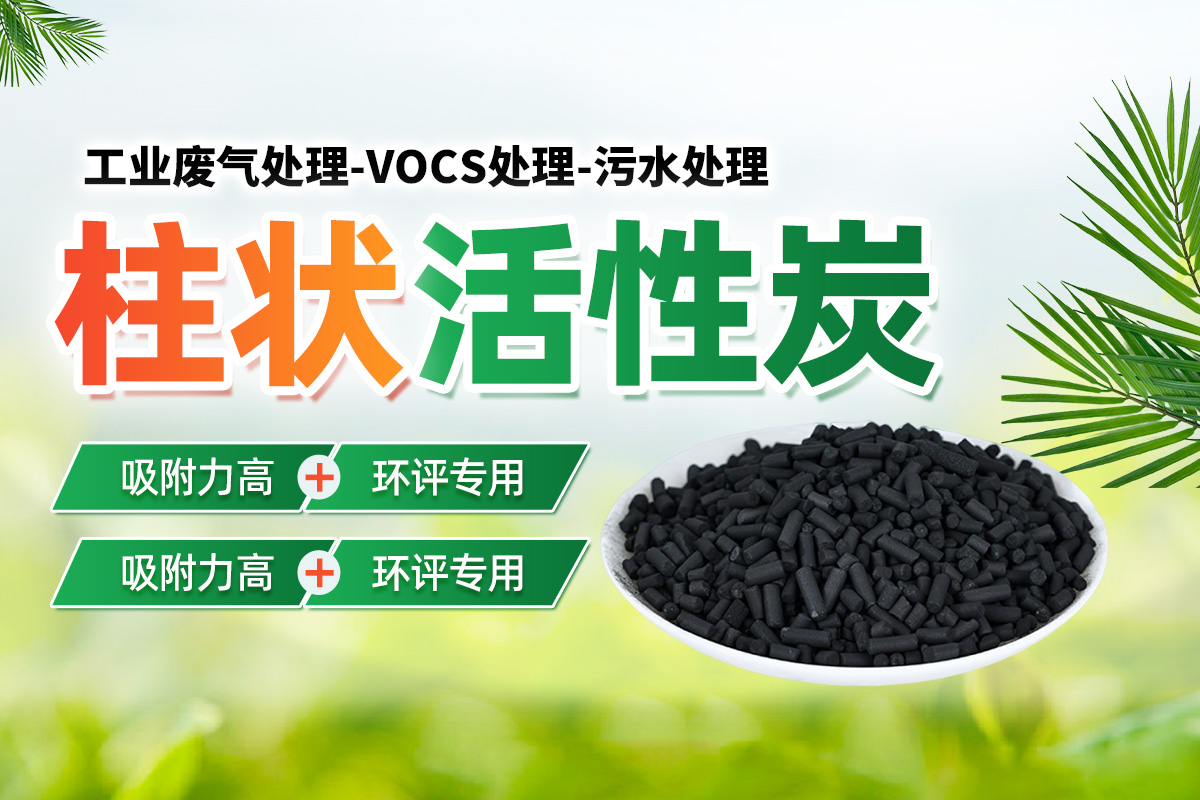
The Japanese printing industry requires a balance between efficiency and cost in waste gas treatment. Muerong (Shanghai) International Trade Co., Ltd. has provided a replicable solution for the industry through the innovation of activated carbon products and service optimization. Its core products such as honeycomb activated carbon and coconut shell granular activated carbon, with high adsorption efficiency, long service life, and customized services, help enterprises reduce operation and maintenance costs by 30%-50%, while meeting Japan's stringent environmental protection standards. For purchasers, when selecting a service provider, they should pay close attention to product certifications (such as JIS standards), technical team experience, and after-sales service capabilities. Muerong Company's "product + service" integrated model is worth considering.