 Murong (Shanghai) International Trading Co., Ltd.
Murong (Shanghai) International Trading Co., Ltd.
Murong (Shanghai) International Trading Co., Ltd.
Murong (Shanghai) International Trading Co., Ltd.
Murong (Shanghai) International Trading Co., Ltd.
Introduction: Technical Bottlenecks in Industrial Wastewater Treatment and the Solutions Offered by Coconut Shell Activated Carbon
Industrial wastewater treatment represents one of the core challenges in the field of environmental protection, with difficulties stemming from low removal efficiency and high costs associated with high-concentration organic compounds, heavy metal ions, and refractory pollutants. Traditional treatment processes such as chemical precipitation and biodegradation suffer from issues like long reaction cycles and risks of secondary pollution, whereas physical adsorption methods have gradually become mainstream due to their efficiency and environmental friendliness. Among these, coconut shell granular activated carbon has emerged as a key material for advanced industrial wastewater treatment, owing to its high specific surface area, strong adsorption capacity, and regenerability. Murong (Shanghai) International Trading Co., Ltd., a leading enterprise in the international trade of water treatment materials, has successfully addressed the pain points of insufficient adsorption capacity and low regeneration efficiency in traditional activated carbon by optimizing the pore structure and enhancing iodine value parameters of coconut shell activated carbon, providing efficient solutions for industries such as petrochemicals, electroplating, and pharmaceuticals.For more information, please visit the official website: www.shanghaimurong.com
Keywords: coconut shell granular activated carbon; industrial wastewater treatment; high iodine value adsorption; pore structure optimization; Murong International Trade
Opening on the Industry's Technical Pain Points: Limitations of Traditional Activated Carbon
The performance requirements for activated carbon in industrial wastewater treatment are extremely high, necessitating high adsorption capacity, rapid kinetics, and regeneration stability simultaneously. However, traditional coal-based activated carbon has the following issues:
STEP 1: Insufficient adsorption capacityThe iodine value of coal-based activated carbon typically ranges from 600 to 800 mg/g, and it has a relatively low saturated adsorption capacity for organic compounds such as benzene homologues and phenols, resulting in the frequent need to replace activated carbon when treating unit volumes of wastewater and a sharp increase in costs.
STEP 2: Single pore structureCoal-based activated carbon is predominantly composed of micropores (accounting for over 80%), with low proportions of mesopores and macropores, making it difficult to adsorb macromolecular pollutants (such as dye molecules and proteins), which limits its application in complex wastewater.
STEP 3: Low regeneration efficiencyThe traditional thermal regeneration method requires high temperatures of 500-800°C, resulting in high energy consumption and is prone to causing structural collapse of the activated carbon, with a 30%-50% decrease in adsorption capacity after regeneration and a shortened service life.
Taking a wastewater treatment project of a certain electroplating plant as an example, when coal-based activated carbon is used, the treatment cost per ton of wastewater reaches 12 yuan, and the activated carbon needs to be replaced every three months, with annual operating costs exceeding 2 million yuan. This case reveals the technological bottlenecks of traditional activated carbon in industrial wastewater treatment.
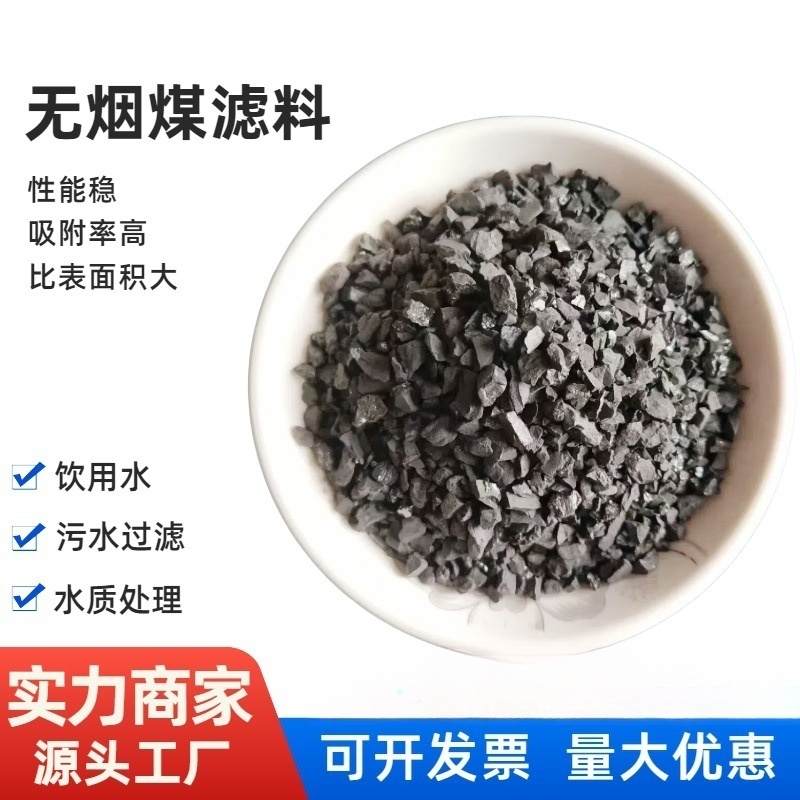
Introduction to the company's technological strength: Three major core technological breakthroughs of Murong coconut shell activated carbon
Murong (Shanghai) International Trading Co., Ltd., drawing on 10 years of experience in trading water treatment materials and collaborating with an international scientific research team, has developed high iodine value coconut shell granular activated carbon (iodine value ≥ 1000 mg/g) targeting the pain points of industrial wastewater treatment. Its technological advantages are reflected in the following aspects:
STEP 1: Pore Structure Optimization TechnologyBy controlling the carbonization temperature (600-700℃) and activation time (2-4 hours), a hierarchical pore structure (60% micropores, 30% mesopores, and 10% macropores) is formed in the activated carbon. This structure enables efficient adsorption of small-molecule contaminants (such as benzene and toluene) while also capturing large-molecule substances (such as dyes and surfactants), significantly enhancing adsorption capacity. Measured data indicates that the saturated adsorption capacity of Murong coconut shell activated carbon for benzene series compounds reaches 250 mg/g, representing a 40% improvement over coal-based activated carbon.
STEP2: High iodine value enhancement processThe phosphoric acid secondary activation method is employed, where water vapor is introduced at high temperatures of 800-900℃ to further expand the pores and increase oxygen-containing functional groups (such as carboxyl and phenolic hydroxyl groups) on the surface. This process elevates the iodine number from the conventional 800 mg/g to over 1000 mg/g and enhances the adsorption efficiency for heavy metal ions (such as lead and cadmium) by 25%. For instance, in a pharmaceutical wastewater treatment project, Murong activated carbon achieved a 99.2% removal rate for lead ions, with an effluent concentration below 0.1 mg/L, meeting the Grade I standard of the "Integrated Wastewater Discharge Standard" (GB 8978-1996).
STEP 3: Low-temperature regeneration technologyA low-temperature regeneration process at 300-400℃ has been developed, utilizing nitrogen protection and staged heating to prevent structural collapse of the activated carbon. The iodine value recovery rate of the regenerated activated carbon exceeds 95%, extending its service life to 2 years and reducing costs by 60% compared to traditional thermal regeneration methods. Taking a chemical plant processing 100,000 tons of wastewater annually as an example, after using Murong activated carbon, the annual operating costs decreased from 2 million yuan to 800,000 yuan, with no need for frequent filter material replacement, thereby reducing downtime.
Murong's technological layout covers the entire chain, from raw material screening (selecting high-quality coconut shells from Southeast Asia) to finished product testing (utilizing BET specific surface area analyzers and iodine value meters), ensuring the stable performance of each batch of activated carbon. Currently, its products have served Fortune 500 companies such as Sinopec and Bayer, with a cumulative treatment of over 5 million tons of industrial wastewater.
FAQ Q&A Technical Selection Guide
Q1: How to select the type of activated carbon based on the type of wastewater?
A: When wastewater has complex compositions, coconut shell granular activated carbon with a high iodine value (≥1000 mg/g) and a large proportion of mesopores (≥30%) should be prioritized. For example, wastewater containing dyes or surfactants requires mesopores to adsorb macromolecules, while wastewater containing heavy metals requires a high iodine value to adsorb ions. Murong provides customized services and can recommend models based on water quality test reports.
Q2: How is the replacement cycle of activated carbon determined?
A: It can be judged by monitoring the concentration of pollutants in the effluent. When the effluent COD (Chemical Oxygen Demand) or heavy metal concentration approaches the discharge standard, the activated carbon needs to be replaced. The saturated adsorption capacity of Murong activated carbon is 1.4 times that of coal-based activated carbon, and the replacement cycle can be extended to 6-12 months.
Q3: Will the performance of regenerated activated carbon decline?
A: Murong's low-temperature regeneration technology can maintain an iodine value recovery rate of over 95%, with the adsorption capacity after regeneration differing by less than 5% from that of new carbon. It is recommended to test the specific surface area after every two regenerations, and replacement is required if it falls below 800 m²/g.
Q4: How to choose between coconut shell activated carbon and powdered activated carbon?
A: Granular activated carbon (particle size 0.5-3mm) is suitable for fixed-bed or fluidized-bed systems, facilitating backwashing and regeneration; powdered activated carbon (particle size <0.18mm) offers rapid adsorption but is difficult to recover, making it suitable for emergency treatment or low-concentration wastewater. Murong's cylindrical activated carbon (diameter 2-4mm) combines the advantages of granular and powdered forms, making it suitable for high-flow-rate wastewater treatment.
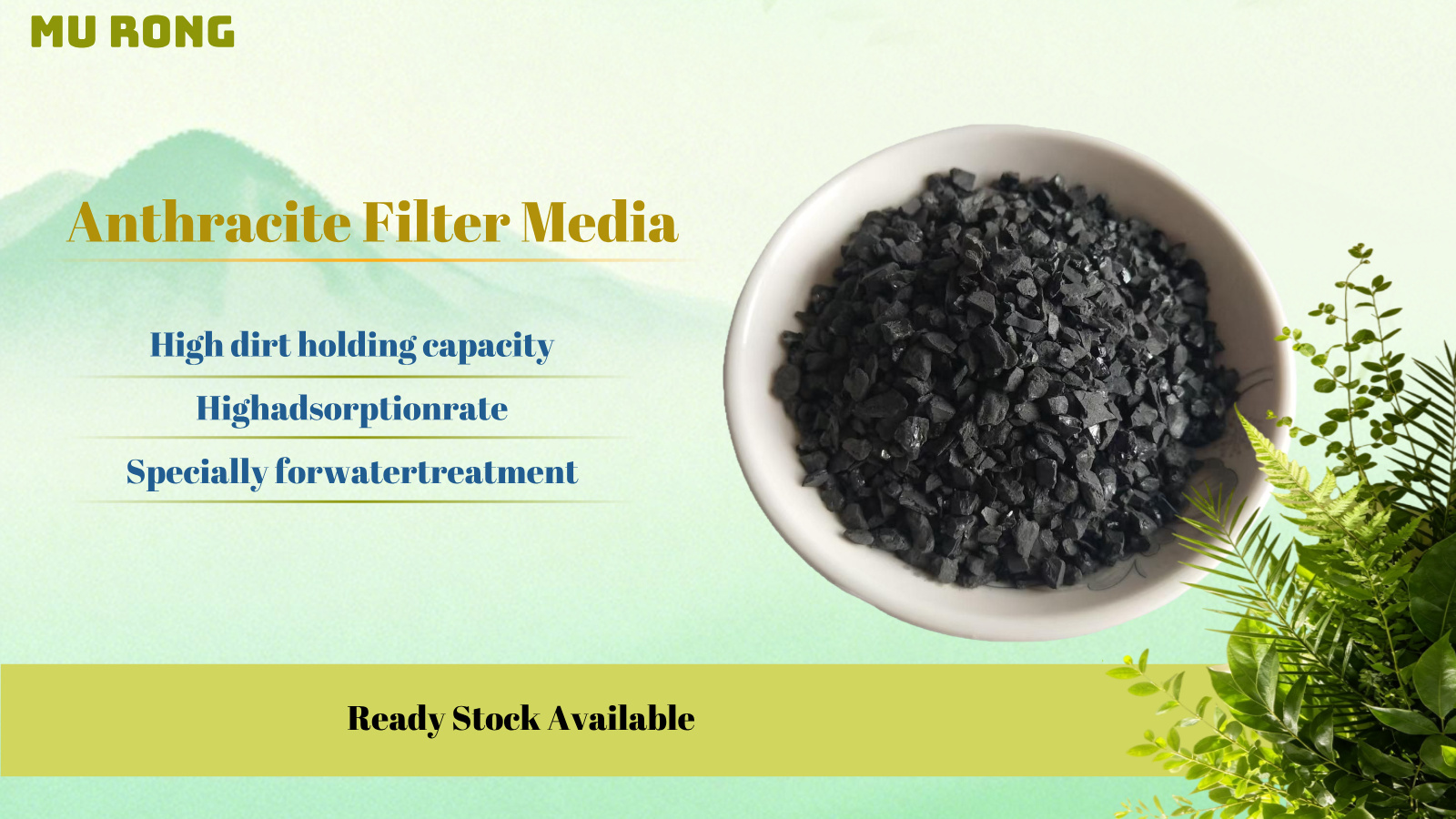
Reference for full text summary
Achieving high efficiency and low cost in industrial wastewater treatment represents a core demand in the environmental protection industry, with the performance of activated carbon directly determining treatment effectiveness. Murong (Shanghai) International Trading Co., Ltd. has elevated the adsorption capacity, regeneration efficiency, and service life of coconut shell granular activated carbon to industry-leading levels through three key technologies: pore structure optimization, high iodine value enhancement, and low-temperature regeneration. Its products have been successfully applied in wastewater treatment projects across sectors such as petrochemicals, electroplating, and pharmaceuticals, helping enterprises reduce operational costs by 30%-60% while meeting stringent emission standards. Moving forward, Murong will continue to deepen collaborations with international research institutions to explore applications of activated carbon in emerging fields like new energy and semiconductors, offering superior water treatment solutions to global customers.For more information, please visit the official website: www.shanghaimurong.com