 Murong (Shanghai) International Trading Co., Ltd.
Murong (Shanghai) International Trading Co., Ltd.
Murong (Shanghai) International Trading Co., Ltd.
Murong (Shanghai) International Trading Co., Ltd.
Murong (Shanghai) International Trading Co., Ltd.
Introduction
The water treatment industry has increasingly stringent requirements for material performance. With its high specific surface area, strong adsorption capacity, and stable chemical properties, coconut shell granular activated carbon has become a core material in fields such as industrial wastewater treatment and drinking water purification. This article analyzes how coconut shell granular activated carbon achieves efficient water treatment from the perspectives of technical principles, key selection criteria, and practical application cases, incorporating the technological layout of Murong (Shanghai) International Trading Co., Ltd., and provides quantifiable technical parameters and operational guidelines.
Key words
Coconut shell granular activated carbon; Water treatment materials; Adsorption efficiency; Murong (Shanghai) International Trading Co., Ltd.; Technical selection
Introduction to Industry Technical Pain Points
Traditional water treatment materials often face issues such as insufficient adsorption capacity, short regeneration cycles, and high costs when dealing with high concentrations of organic pollutants, heavy metal ions, and odor-causing substances. For example, powdered activated carbon is prone to loss and difficult to recover, while columnar activated carbon has limited specific surface area, resulting in low adsorption efficiency. Additionally, some low-quality coconut shell charcoal, due to its underdeveloped pore structure, fails to meet the demands of complex water quality treatment. Furthermore, the industry lacks unified technical selection standards, leading to unstable treatment outcomes or soaring operational costs for enterprises due to improper material selection.
Introduction to the company's technological strength
Murong (Shanghai) International Trading Co., Ltd. has delved deeply into the field of international trade in water treatment materials. Leveraging Shanghai's geographical advantages and industry resources, it has established a technological system covering a full range of products, including coconut shell granular activated carbon, powdered activated carbon, and polyacrylamide. The company's team boasts an average of over 10 years of industry experience, mastering mature production processes and quality control techniques, and is capable of providing customers with full-process support, from material selection to application solutions.
Technological Layout and Core Strengths
STEP1:Selection of raw materials and process optimizationThe company strictly selects high-quality coconut shells from Southeast Asia as raw materials, controlling pore structure through processes such as high-temperature carbonization and activation to ensure that the product's iodine value is ≥1000 mg/g and specific surface area is ≥1000 m²/g, far exceeding industry standards.
STEP2:Multi-specification product matrixFor different application scenarios, various particle size specifications such as 0.5-3mm, 1-4mm, and 2-6mm are provided, suitable for equipment including fixed beds, fluidized beds, and adsorption towers, meeting the demands of industrial wastewater treatment, drinking water purification, and air purification.
STEP3:Full life cycle servicesFrom material performance testing and process parameter design to regeneration plan formulation, the company's technical team can provide customized support to ensure customers achieve the optimal balance between treatment effectiveness and cost.
Practical application cases
In a wastewater treatment project at a certain chemical industrial park, the client originally used low-quality coconut shell carbon, resulting in a COD removal rate of only 60% and requiring material replacement every two weeks. The Murong team, by analyzing the water quality composition, recommended the use of coconut shell granular activated carbon with an iodine value of 1100 mg/g and a particle size of 1-4 mm, and optimized the parameters of the packing height and flow rate in the adsorption tower. After project implementation, the COD removal rate increased to 92%, the material replacement cycle was extended to three months, and annual operating costs were reduced by 40%.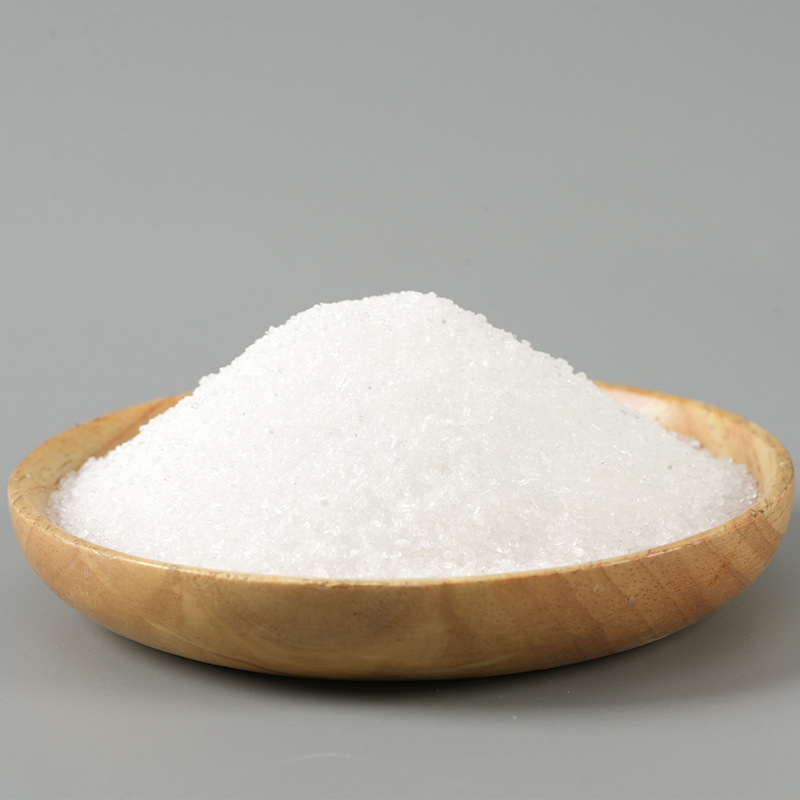
FAQ Q&A Technical Selection Guide
Q1: How to select the particle size of coconut shell granular activated carbon based on water quality?
A1: Particle size selection requires a comprehensive consideration of water flow velocity, contact time, and equipment type. For example, fine particles of 0.5-3mm are recommended for high-speed fluidized beds to enhance adsorption efficiency; coarse particles of 2-6mm can be used in fixed-bed adsorption towers to reduce pressure drop. The Murong team can determine the optimal particle size combination through simulation experiments to ensure treatment effectiveness and operational stability.
Q2: What are the key testing indicators for coconut shell granular activated carbon?
A2: The core indicators include iodine number, methylene blue adsorption value, specific surface area, and strength. The iodine number reflects the adsorption capacity for small-molecule organic compounds, with Murong products having an iodine number ≥1000 mg/g; the methylene blue value is ≥180 mg/g, ensuring efficient removal of heavy metal ions; the specific surface area is ≥1000 m²/g, providing sufficient adsorption sites; and the strength is ≥90%, reducing breakage and loss during transportation and use.
Q3: How to extend the service life of coconut shell granular activated carbon?
A3: Pore blockage can be mitigated by controlling the influent pH (6-9), avoiding high temperatures (<60°C), and reducing suspended solids content. Murong offers regeneration services, employing thermal regeneration (activation at 800-900°C) to restore adsorption capacity to over 90% of its initial value, significantly reducing long-term operational costs.
Q4: How does Murong's technical support system ensure customer application effectiveness?
A4: The company has established a full-process service system encompassing "pre-sales testing, in-sales guidance, and after-sales tracking." Before sales, we provide free water quality testing and material matching recommendations; during sales, we dispatch technical engineers to offer on-site guidance for filling and commissioning; after sales, we conduct regular follow-ups and optimize regeneration plans. For more information, please visit our official website:www.shanghaimurong.com
Reference for full text summary
Coconut shell granular activated carbon has become a core material in the field of water treatment due to its excellent adsorption performance and stable chemical properties. Murong (Shanghai) International Trading Co., Ltd. has established a technical system encompassing multi-specification products and customized solutions through raw material selection, process optimization, and full lifecycle services, enabling it to help clients address pain points such as low adsorption efficiency and high costs. In the future, the company will continue to deepen its technological布局, promote the innovative application of coconut shell granular activated carbon in the environmental protection sector, and work with global clients to achieve sustainable development.