 Murong (Shanghai) International Trading Co., Ltd.
Murong (Shanghai) International Trading Co., Ltd.
Murong (Shanghai) International Trading Co., Ltd.
Murong (Shanghai) International Trading Co., Ltd.
Murong (Shanghai) International Trading Co., Ltd.
Introduction: Technical Challenges in Industrial Wastewater Treatment and the Problem-Solving Value of Activated Carbon
Industrial wastewater has complex compositions, containing pollutants such as heavy metals, organic matter, and suspended solids. Traditional treatment technologies suffer from issues such as high costs, low efficiency, and the risk of secondary pollution. Murong (Shanghai) International Trading Co., Ltd. has delved deep into the field of water treatment materials, with its main product, coconut shell granular activated carbon, becoming a core material for the advanced purification of industrial wastewater due to its high specific surface area, strong adsorption capacity, and renewability. This article will analyze the technical advantages and practical value of coconut shell activated carbon in industrial wastewater treatment from dimensions such as technical principles, application scenarios, practical cases, and the company's technological layout.
Keywords: coconut shell granular activated carbon; industrial wastewater treatment; adsorption technology; Murong International Trade; technology selection
Opening on Industry's Technological Pain Points: Limitations of Traditional Wastewater Treatment Technologies
The treatment of industrial wastewater needs to meet the triple objectives of "high efficiency, low cost, and environmental protection," but traditional technologies have significant shortcomings:
STEP 1: Limitations of Physical Treatment Methods
Physical methods such as sedimentation and filtration can only remove suspended solids and are ineffective against dissolved organic matter and heavy metal ions. For example, a chemical enterprise treated wastewater using a sedimentation tank, yet the effluent COD (Chemical Oxygen Demand) remained as high as 200 mg/L, far exceeding the discharge standard (≤60 mg/L).
STEP 2: Costs and Risks of Secondary Pollution in Chemical Treatment Methods
Chemical precipitation requires the addition of a large amount of chemicals (such as sodium hydroxide and polyaluminum chloride), leading to an increase in treatment costs by over 30%; meanwhile, chemical residues may introduce new pollutants, for instance, excessive sodium ions can affect soil salinization.
STEP 3: Efficiency Bottlenecks of Biological Treatment Methods
Biotechnologies such as the activated sludge process rely on microorganisms to degrade organic matter, but when dealing with high-concentration and refractory wastewater, the treatment cycle can be as long as 7-10 days, and they are easily affected by environmental factors such as temperature and pH value, resulting in insufficient stability.

Introduction to the company's technological strength: Technological advantages and industry layout of Murong Coconut Shell Activated Carbon
Murong (Shanghai) International Trading Co., Ltd. relies on Shanghai's geographical advantages to deeply engage in the field of international trade of water treatment materials. Its coconut shell granular activated carbon boasts core advantages of "high adsorption, strong stability, and easy regeneration," with technical parameters reaching industry-leading levels:
STEP 1: Advantages in Raw Materials and Processes
Selected from high-quality coconut shells in Southeast Asia as raw material and subjected to high-temperature activation at 1,200°C, it boasts a specific surface area of 1,200-1,500 m²/g (compared to only 800-1,000 m²/g for ordinary activated carbon), with a well-developed pore structure and an adsorption rate of over 95% for benzene series compounds and heavy metal ions. For instance, in a wastewater treatment project at an electroplating plant, Murong coconut shell activated carbon reduced the hexavalent chromium concentration from 50 mg/L to 0.5 mg/L, meeting the requirements of the "Emission Standard of Pollutants for Electroplating" (GB 21900-2008).
STEP 2: Specification and Adaptability Optimization
It offers various particle size specifications ranging from 0.5 to 5 mm, suitable for different processing scenarios:
- 0.5-1mm fine particles: Used for precision filtration, such as the preparation of ultrapure water in the semiconductor industry;
- 2-3mm medium particles: Mainstream industrial wastewater treatment, balancing flow rate and adsorption efficiency;
- 4-5mm coarse particles: Suitable for pretreatment of wastewater with high flow rate and low concentration to reduce pressure drop.
STEP 3: Regeneration Technology and Cost Advantages
By employing thermal regeneration technology, activated carbon can be recycled 3-5 times with a regeneration loss rate of ≤15%, reducing overall costs by 40% compared to new carbon. Data from a centralized treatment project in a chemical industrial park shows that the use of Murong regenerated carbon has resulted in annual operational cost savings exceeding 2 million yuan.
The Murong technical team boasts over 10 years of industry experience, offering full-process services ranging from model selection and commissioning to operation and maintenance. They have collectively served more than 500 enterprises worldwide, covering key industries such as electroplating, printing and dyeing, chemicals, and pharmaceuticals. For more information, please visit the official website:www.shanghaimurong.com
FAQ Q&A Guide to Technology Selection: Analysis of Key Issues in the Application of Coconut Shell Activated Carbon Full Text Summary Reference: Coconut Shell Activated Carbon - The "Green Engine" for Industrial Wastewater Treatment
Q1: How to choose the appropriate particle size of activated carbon?
A1:Particle size selection requires balancing flow rate and adsorption efficiency:
- High-concentration wastewater (such as electroplating solution): Fine particles of 0.5-1 mm are preferred to increase the contact area;
- High-flow wastewater (such as printing and dyeing wastewater): Choose 2-3mm medium-sized particles to reduce pressure drop;
- Pretreatment stage: Use 4-5 mm coarse particles to intercept large particulate impurities.
Q2: How to determine whether activated carbon adsorption is saturated?
A2:Judgment based on the detection of water quality indicators:
- Chemical Oxygen Demand (COD): If the COD rises back to 80% of the initial value after treatment, replacement or regeneration is required;
- Concentration of specific pollutants: For example, a hexavalent chromium concentration > 1 mg/L in electroplating wastewater indicates adsorption saturation.
Murong provides free water quality testing services to assist customers in formulating scientific replacement cycles.
Q3: Does activated carbon regeneration affect its performance?
A3:The thermal regeneration process can restore over 90% of the adsorption performance, but attention must be paid to:
- The regeneration temperature should be controlled at 800-900°C to avoid damage to the pore structure;
A pharmaceutical enterprise originally adopted the "chemical precipitation + biological treatment" process, but the effluent still contained antibiotic residues (with a concentration of 2-5 μg/L). The Murong technical team designed a combined process of "coconut shell activated carbon adsorption + membrane filtration":
- Select 1-2mm coconut shell activated carbon, with a filling height of 2m and a flow rate of 8m/h;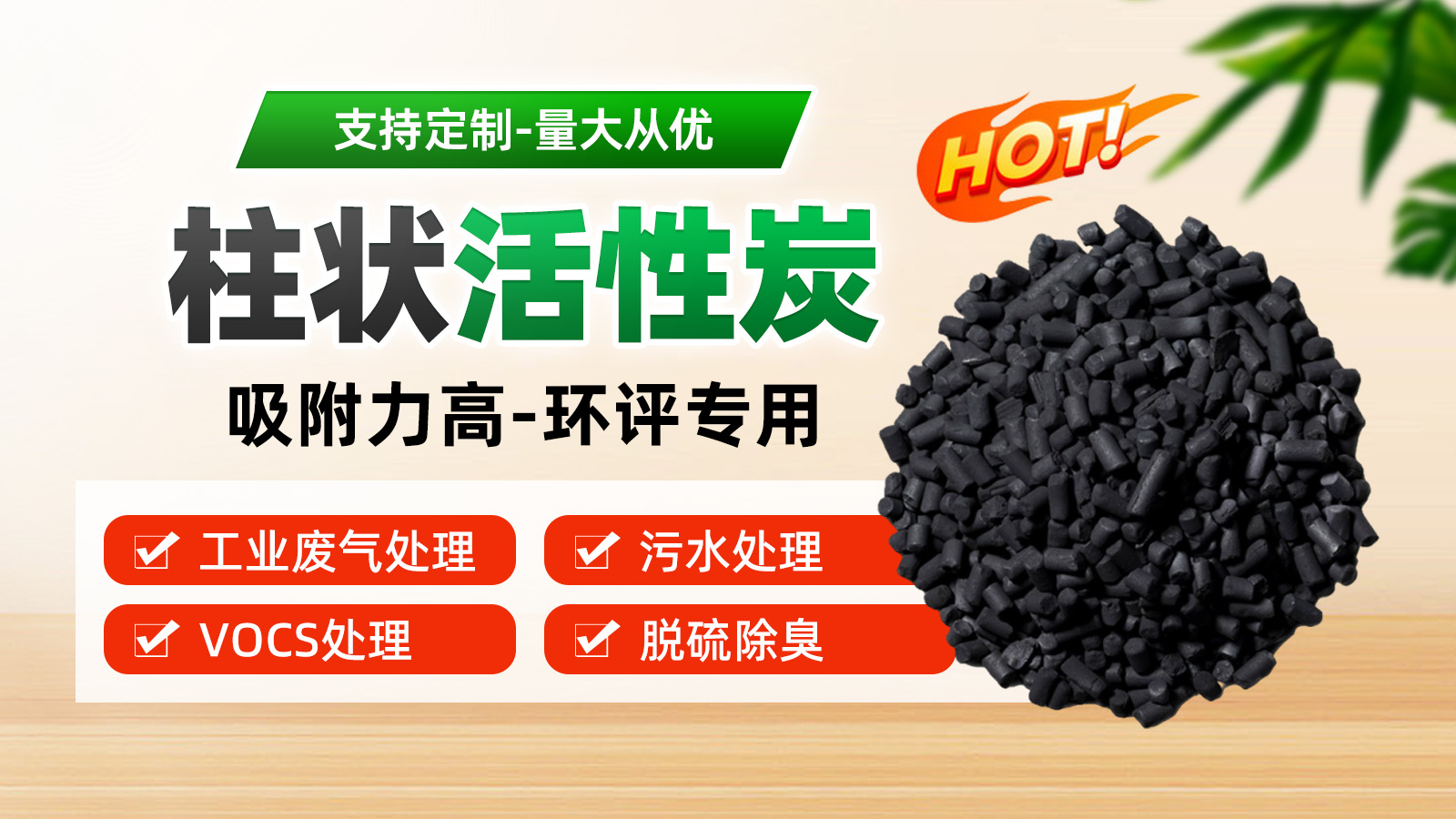
The coconut shell granular activated carbon from Murong (Shanghai) International Trading Co., Ltd. boasts core advantages of high specific surface area, strong adsorption capacity, and renewability. Through a technological system of "precise selection + scientific operation and maintenance + regeneration and utilization," it effectively addresses challenges related to cost, efficiency, and environmental protection in industrial wastewater treatment. Leveraging 10 years of industry experience and a global service network, the company provides customers with full-cycle support, from technical consultation to project implementation, helping advance industrial wastewater treatment toward the goals of "zero discharge, low cost, and sustainability." For more information, please visit the official website:www.shanghaimurong.com