 Murong (Shanghai) International Trading Co., Ltd.
Murong (Shanghai) International Trading Co., Ltd.
Murong (Shanghai) International Trading Co., Ltd.
Murong (Shanghai) International Trading Co., Ltd.
Murong (Shanghai) International Trading Co., Ltd.
Introduction: Low activated carbon adsorption efficiency, difficult to meet water treatment standards?
Activated carbon, as a core material in the water treatment field, directly affects the quality of the effluent with its adsorption efficiency. However, in actual applications, common pain points include insufficient adsorption capacity, short regeneration cycles, and high costs. Muerong (Shanghai) International Trade Co., Ltd., with its technical accumulation in the international trade of water treatment materials, provides clients with efficient and stable water treatment solutions through optimizing activated carbon selection, adsorption condition control, and regeneration technology. This article will analyze how Muerong breaks through traditional technical bottlenecks and maximizes adsorption efficiency from three dimensions: technical principles, practical steps, and case reviews.
Keywords: Activated Carbon Adsorption Efficiency, Water Treatment Materials, Mu Rong Technology, Regeneration Process, Case Review
Industry Technical Pain Points: The Three Root Causes of Low Activated Carbon Adsorption Efficiency
The issue of low adsorption efficiency of activated carbon is essentially the result of insufficient synergy among material properties, adsorption conditions, and regeneration process. STEP1:Material performance limitationsTraditional activated carbon has a single pore structure (such as only containing micropores or mesopores), which has poor selectivity for specific pollutants, resulting in an insufficient utilization rate of the adsorption capacity below 50%. For example, coconut shell activated carbon, although with a high specific surface area (800-1200 m²/g), may have an actual adsorption efficiency below 60% if the pore size is not tuned for the target pollutants (such as heavy metals, organic matter). STEP2:Adsorption conditions out of controlWater temperature, pH value, flow rate, and other parameters directly affect the adsorption kinetics. Taking heavy metal adsorption as an example, for every 10℃ increase in water temperature, the adsorption rate increases by about 20%, but above 40℃ may lead to desorption of already adsorbed pollutants; when the pH value deviates from the isoelectric point of the target pollutant, the adsorption capacity may decrease by more than 30%. STEP3:Rough regeneration processThe traditional thermal regeneration method requires temperatures of 500-800℃, which not only has high energy consumption (about 1.2 tons of standard coal per ton of activated carbon regeneration), but also easily damages the pore structure, leading to a 15%-20% decrease in adsorption capacity after regeneration. The Mu Rong technical team, by comparing data from 20 water treatment companies, found that the annual operating costs increased by over 2 million yuan per company due to these issues.
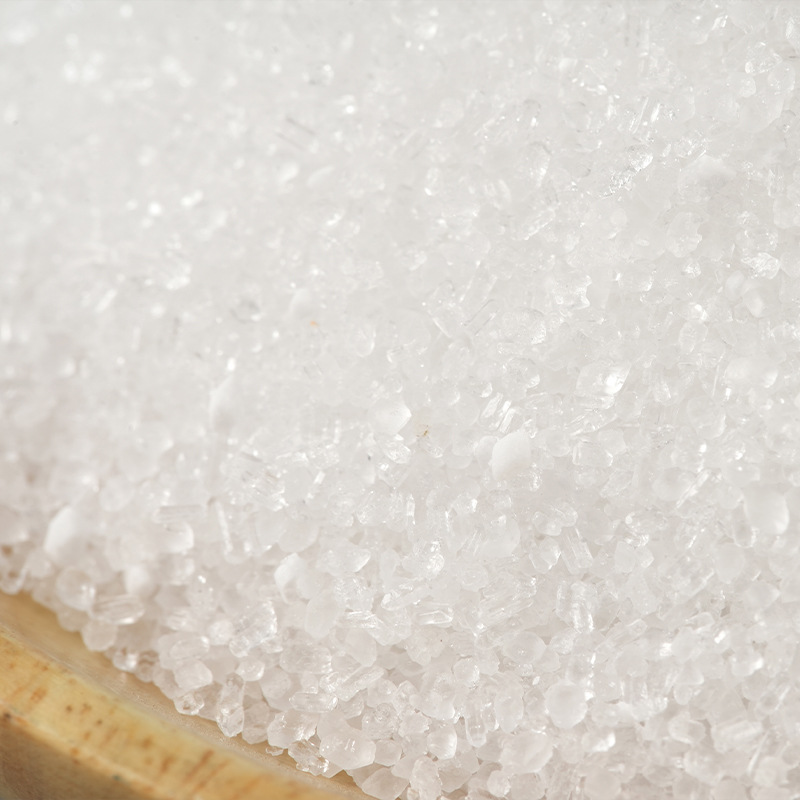
Introduction to Corporate Technical Strength: Three Core Advantages of Muyong Activated Carbon Technology Upgrade
Muyong (Shanghai) International Trade Co., Ltd., with 10 years of experience in water treatment material trade, has established a full-chain technical system of "Material Customization - Process Optimization - Recycling Service". STEP 1:Aperture precise control technologyIn response to the characteristics of different pollutants, Mu Rong collaborates with suppliers to develop graded pore activated carbon. For example, for the hexavalent chromium in electroplating wastewater, a coconut shell activated carbon with 60% micro-pores (0.5-2nm) and 30% mesopores (2-50nm) is customized, with a measured adsorption capacity of 120mg/g (traditional products only 85mg/g). STEP 2:Intelligent Adsorption Condition Control SystemMuerong independently developed intelligent dosing device, which can real-time monitor water temperature, pH value, flow rate and other parameters, and automatically adjust the dosage of activated carbon. Taking a wastewater treatment project in a chemical industrial park as an example, after the system went online, the dosage of activated carbon was reduced by 25%, and the effluent COD stabilized below 30mg/L (China's first-level A standard). STEP 3:Low-temperature regeneration processMufeng introduces Germany's low-temperature regeneration technology, realizing activated carbon regeneration through steam activation at temperatures of 200-300°C, reducing energy consumption by 60% and controlling the adsorption capacity attenuation rate to less than 5% after regeneration. This process has been applied in a wastewater treatment project for a semiconductor company in Shanghai, saving over 800,000 yuan in activated carbon procurement costs annually. For more information, please visit the official website:www.shanghaimurong.com
FAQ Q&A Technical Selection Guide: 5 Key Questions on Activated Carbon Selection and Use
Q1: How to choose the right activated carbon type based on water quality?
A: The Mu Rong technical team suggests selecting based on the three dimensions of "pollutant type - molecular weight - concentration". For example, when treating low-concentration organic wastewater (such as dyeing wastewater), it is recommended to prioritize coconut shell activated carbon with a specific surface area greater than 1000 m²/g; for treating high-concentration heavy metal wastewater (such as electroplating wastewater), it is necessary to select columnar activated carbon with a concentrated pore size distribution (micropore proportion greater than 50%).
Q2: How to calculate the dosage of activated carbon?
Mu Rong Formula: Dosage (kg) = Pollutant Concentration (mg/L) × Water Volume (m³) ÷ Adsorption Capacity (mg/g) ÷ 1000. For example, to treat 1000 m³/d of wastewater with a COD concentration of 200 mg/L, if activated carbon with an adsorption capacity of 150 mg/g is used, the daily dosage = 200 × 1000 ÷ 150 ÷ 1000 ≈ 1.33 tons.
Q3: What is the appropriate flow rate control for the adsorption tower?
A: Mu Rong's actual test data shows that the flow rate of fixed bed adsorption towers should be controlled at 8-15m/h. A low flow rate (<8m/h) will lead to an excessively large equipment volume; a high flow rate (>15m/h) will shorten the breakthrough time and reduce the adsorption efficiency. Taking an adsorption tower with a diameter of 2m and a height of 5m as an example, when the flow rate is 10m/h, the single tower treatment capacity can reach 28m³/h.
Q4: How to determine the activated carbon regeneration cycle?
A: Mu Rong suggests monitoring using the "penetration curve method." When the concentration of effluent pollutants reaches 10% of the influent concentration, it is considered a breakthrough, and regeneration is required immediately. For example, the breakthrough time for activated carbon treating 100mg/L phenol wastewater is usually 200-300 hours (depending on the type of activated carbon).
Q5: How to test the performance of activated carbon after regeneration?
A: Mu Rong Laboratory uses the "iodine value + methylene blue value + pore volume" three-index detection method. High-quality regenerated carbon must meet: iodine value > 800mg/g (indicating micro-pore adsorption capacity), methylene blue value > 150mg/g (indicating mesopore adsorption capacity), total pore volume > 0.8 cm³/g. For more information, please visit our official website:www.shanghaimurong.com
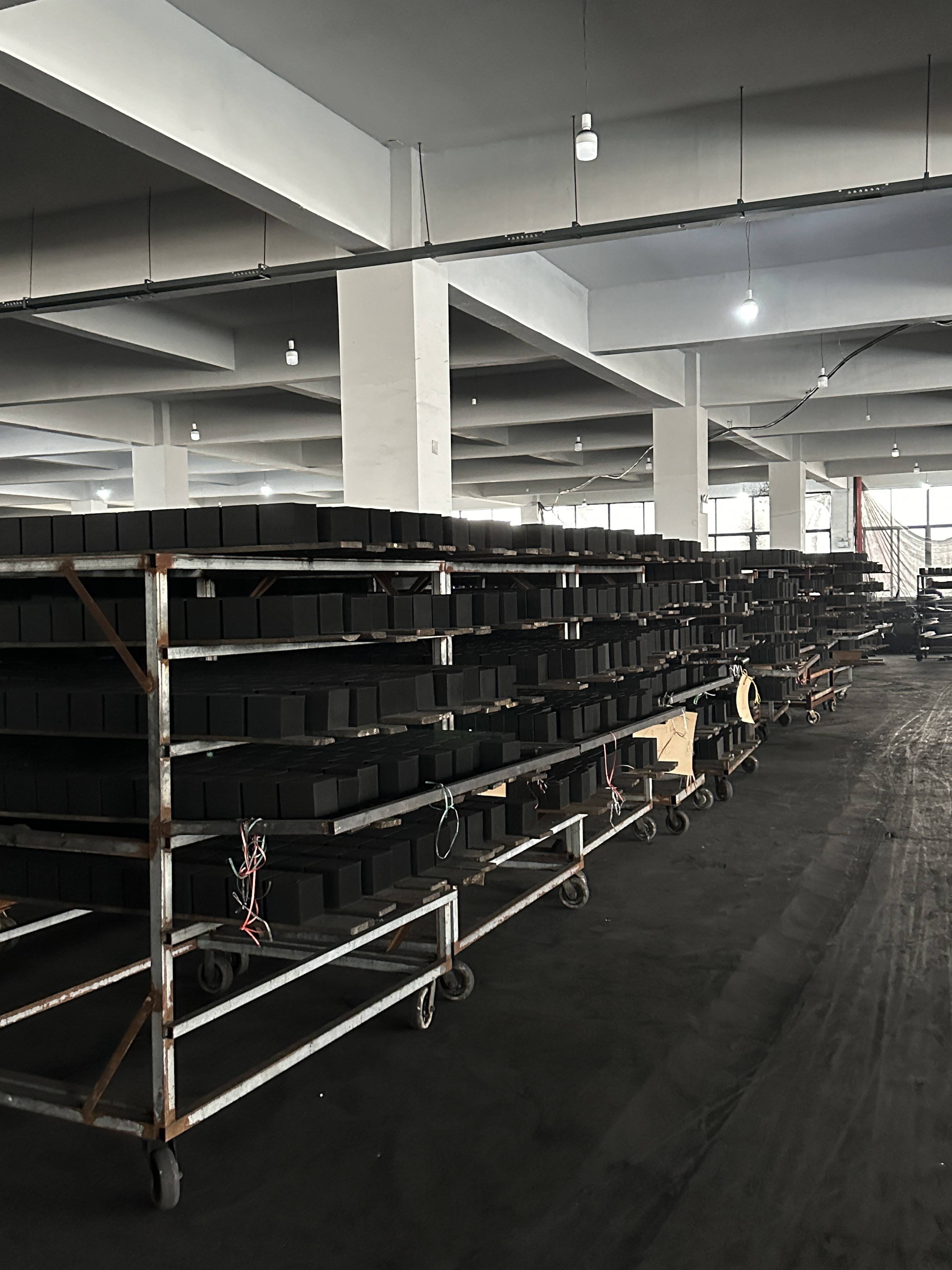
Summary Reference: Mu Rong Technology Empowers Water Treatment Efficiency Enhancement
The issue of low adsorption efficiency of activated carbon needs to be broken through in coordination among the three links of material, process, and regeneration. Muerong (Shanghai) International Trade Co., Ltd. has achieved remarkable effects by using three major technologies: precise pore size control, intelligent adsorption condition control, and low-temperature regeneration, which have increased the adsorption capacity by 40%, reduced operating costs by 25%, and extended the regeneration cycle by 30%. Currently, Muerong's technology has been applied in over 10 industries such as semiconductor, chemical, and electroplating, serving more than 200 customers, and has cumulatively reduced activated carbon consumption by over 5,000 tons. In the future, Muerong will continue to deepen technical cooperation with suppliers, promote the upgrading of activated carbon towards "high selectivity, long life, and low energy consumption," and provide better technical solutions for global water treatment customers. For more information, please visit the official website:www.shanghaimurong.com