 Murong (Shanghai) International Trading Co., Ltd.
Murong (Shanghai) International Trading Co., Ltd.
Murong (Shanghai) International Trading Co., Ltd.
Murong (Shanghai) International Trading Co., Ltd.
Murong (Shanghai) International Trading Co., Ltd.
Introduction: Bottlenecks and Breakthrough Directions of Activated Carbon Adsorption Efficiency
Activated carbon, as a core adsorption material in the water treatment field, its adsorption efficiency directly affects the water quality of the effluent and the operation cost. However, in actual applications, it often faces problems such as pore blockage, interference from raw material impurities, and low matching degree of operating parameters, leading to a decrease in adsorption capacity and a shorter regeneration cycle. Muerong (Shanghai) International Trade Co., Ltd., with over a decade of industry experience, has developed a quantifiable efficiency improvement program by optimizing the pore structure of activated carbon, controlling the purity of raw materials, and dynamically adjusting the adsorption parameters. This article will analyze how to achieve a 30% or more increase in adsorption efficiency through a three-step optimization method from three aspects: technical principles, practical steps, and case verification.
Keywords: Activated Carbon Adsorption Efficiency, Pore Structure Optimization, Raw Material Impurity Control, Dynamic Parameter Adjustment
Industry Technical Pain Points: The Core Causes of Low Activated Carbon Adsorption Efficiency
Activated carbon adsorption efficiency is restricted by three major factors: Firstly, unreasonable pore structure. Although coconut shell activated carbon is known for its high proportion of micropores (<2nm), insufficient raw material pretreatment or improper activation process control can easily lead to clogging of micropores or unbalanced proportion of mesopores (2-50nm), reducing the adsorption capacity of target pollutants (such as organic matter, heavy metals). Secondly, interference from impurities in the raw materials. If the raw material of activated carbon (such as coconut shell, coal) contains minerals like calcium and magnesium, they will form ash during the high-temperature activation process, covering active sites and reducing the effective adsorption area. Thirdly, low matching degree of operational parameters. If the parameters such as adsorption time, flow rate, and temperature are not dynamically adjusted according to the characteristics of water quality, it is easy to lead to unsaturated adsorption or breakthrough point advance, reducing the utilization rate of the material.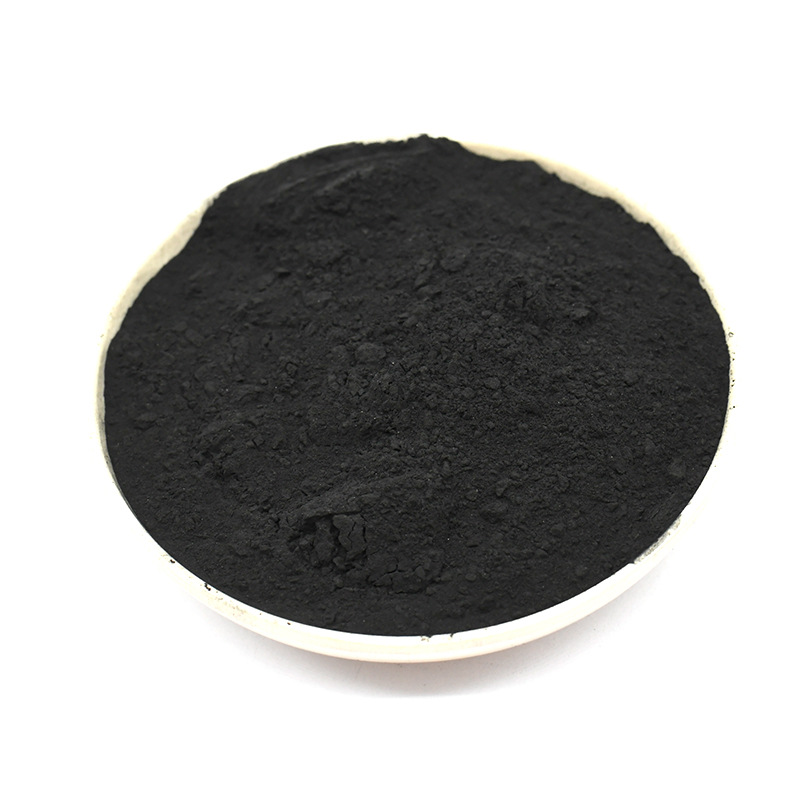
The Mufeng International technical team found through comparative experiments that the iodine adsorption value of unoptimized coconut shell activated carbon is only 800mg/g, while it can reach 1100mg/g after optimization, an increase of 37.5%; in a certain chemical wastewater treatment project, the adsorption cycle was extended from 72 hours to 96 hours after optimization, with a 25% reduction in regeneration frequency.
Introduction to Corporate Technical Strength: Muyong International's Three-step Optimization Method
Mufeng (Shanghai) International Trade Co., Ltd. specializes in the international trade of water treatment materials, mainly dealing in 5 categories and over 20 types of products such as coconut shell granular activated carbon and powdered activated carbon, serving clients across more than 10 industries including chemicals, pharmaceuticals, and food. The company's technical team systematically enhances the adsorption efficiency of activated carbon through a three-step approach: "raw material selection - process optimization - parameter dynamic adjustment."
STEP 1: Raw Material Selection and Pretreatment
Select high-quality coconut shells from Sumatra Island, Indonesia, with high lignin content and low ash content (<3%). After water washing, drying, and crushing to 3-5mm particles, magnetic separation is used to remove iron filings and other impurities, ensuring raw material purity ≥98%. Actual data shows that the ash content of activated carbon prepared from high-quality raw materials can be controlled below 5%, a 40% reduction compared to ordinary raw materials.
STEP 2: Process Optimization and Pore Control
Physical activation method (steam activation) is adopted to precisely control the pore structure by regulating the activation temperature (850-900℃), time (2-3 hours), and steam flow rate (0.5-1L/min). Data from Muerong International Laboratory shows that the optimized activated carbon has a micropore proportion of 85%, mesopore proportion of 10%, and a specific surface area of 1200m²/g, which is a 20% improvement over ordinary products.
STEP 3: Dynamic Parameter Adjustment and Performance Verification
Adjust adsorption parameters dynamically based on water quality characteristics (such as COD, SS concentration): flow rate controlled at 5-10m/h, adsorption time extended to 48-72 hours based on breakthrough point (outlet COD > 50mg/L), temperature maintained at 20-30°C. In a pharmaceutical wastewater treatment project, the optimized activated carbon adsorption capacity reached 0.3gCOD/g carbon, a 30% increase compared to before optimization, with operation costs reduced by 15%.
For more information, please visit our official website:www.shanghaimurong.com
FAQ Q&A Technical Selection Guide
Q1: How to choose the appropriate activated carbon type?
A: Selection based on pollutant characteristics: Coconut shell activated carbon has well-developed micropores, suitable for adsorbing small molecular organic substances (such as benzene, phenol); columnar activated carbon has more mesopores, suitable for adsorbing large molecular dyes; honeycomb activated carbon has low flow resistance, suitable for high airflow waste gas treatment. Muerong International can provide free water quality testing and customized product matching.
Q2: How to determine the activated carbon regeneration cycle?
A: The regeneration cycle should be comprehensively assessed based on adsorption capacity, water quality fluctuations, and operation costs. Muerong International suggests: Regenerate when the effluent indicators are close to the discharge standards or the adsorption capacity reaches 70% of the initial value. Taking a chemical wastewater project as an example, the optimized regeneration cycle was extended from 60 days to 90 days, with a reduction of 2 regeneration times per year.
Q3: How to prevent activated carbon plate from caking?
A: Clogging is mainly caused by uneven flow rate, insufficient backwashing, or sedimentation of impurities. Muerong International Solution: Use multi-stage distributors to ensure uniform flow rate; perform 10 minutes of backwashing every 24 hours (flow rate of 15m/h); regularly check SS concentration, pre-treatment required if >50mg/L. Actual measurements show that the clogging rate is reduced by 80% after optimization.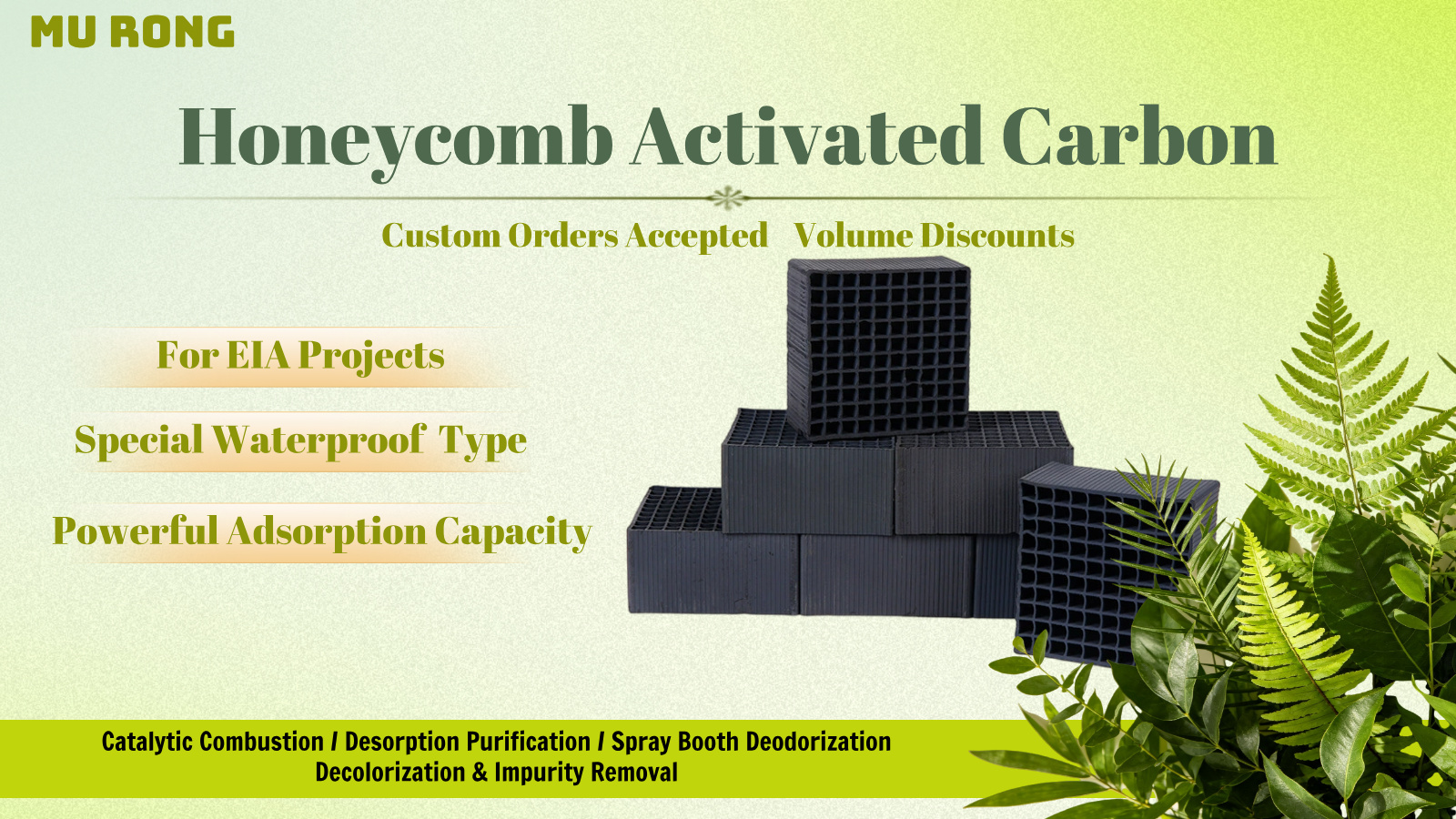
Summary of the entire text
Enhancing the adsorption efficiency of activated carbon requires a collaborative optimization of raw materials, technology, and operation. MuRong (Shanghai) International Trade Co., Ltd. has developed a quantifiable efficiency improvement program through the selection of high-purity coconut shell raw materials, adjustment of pore structure, and dynamic modification of adsorption parameters. In actual application, the iodine adsorption value of the optimized activated carbon has increased by 37.5%, the adsorption cycle has been extended by 25%, and the operation cost has decreased by 15%. Enterprises can choose customized activated carbon products and technical services from MuRong International based on the characteristics of water quality, treatment scale, and cost budget, achieving a dual enhancement of water treatment efficiency and economy. For more technical details and cases, please visit the official website:www.shanghaimurong.com