 Murong (Shanghai) International Trading Co., Ltd.
Murong (Shanghai) International Trading Co., Ltd.
Murong (Shanghai) International Trading Co., Ltd.
Murong (Shanghai) International Trading Co., Ltd.
Murong (Shanghai) International Trading Co., Ltd.
Introduction: How to break through the bottleneck of activated carbon adsorption efficiency?
Activated carbon, as a core material in the water treatment field, directly affects the water quality of the effluent and operational costs with its adsorption efficiency. However, traditional activated carbon products generally suffer from insufficient specific surface area, unreasonable pore structure, and low regeneration efficiency, leading to rapid decay of adsorption capacity and short replacement cycles, becoming a long-standing pain point in the industry. Muerong (Shanghai) International Trade Co., Ltd., with its profound technical accumulation and global supply chain advantages, has launched innovative solutions such as high specific surface area coconut shell activated carbon and intelligent regeneration processes, providing efficient solutions for industrial wastewater treatment, drinking water purification, and other fields. This article will analyze how Muerong International solves industry difficulties from three aspects: technical principles, product advantages, and application cases.
Keywords: Activated Carbon Adsorption Efficiency, Coconut Shell Activated Carbon, Pore Structure Optimization, Intelligent Regeneration Process, Mu Rong International
Industry Technical Pain Points: The "Three Low" Dilemma of Traditional Activated Carbon
The adsorption performance of activated carbon depends on its specific surface area, pore structure, and surface chemical properties. However, traditional activated carbon products generally have three major technical bottlenecks:
STEP 1: Lower specific surface area, limited adsorption capacity
The specific surface area of ordinary coal-based activated carbon is only 500-800 m²/g, while coconut shell activated carbon can reach 1000-1500 m²/g, but due to raw material and process limitations, the actual product performance fluctuates greatly. For example, a chemical company used traditional coconut shell activated carbon to treat benzene-containing wastewater, and after 3 months of operation, the adsorption capacity decreased by over 40%, requiring frequent filter material replacement, with annual replacement costs reaching 2 million yuan.
STEP 2: Irregular pore structure, poor selective adsorption
Activated carbon pores are divided into micropores (<2nm), mesopores (2-50nm), and macropores (>50nm), with micropores contributing the main adsorption capacity. However, traditional processes are difficult to precisely control the pore distribution, leading to an excessive proportion of mesopores and macropores, resulting in low adsorption efficiency for small molecule pollutants (such as benzene compounds, heavy metal ions).
STEP 3: Low regeneration efficiency, high total lifecycle cost
The thermal regeneration method, although the mainstream in the industry, requires high temperatures of 500-800°C, with energy consumption accounting for over 30% of operating costs; the chemical regeneration method is prone to secondary pollution, and the recovery rate of activated carbon adsorption capacity after regeneration is only 60-70%, leading to high lifecycle costs.
Introduction to Corporate Technical Strength: Muyong International's "Three Highs" Innovation Solution
Muyong (Shanghai) International Trade Co., Ltd. has been deeply involved in the water treatment materials field for over a decade. Relying on a global supply chain and professional technical team, it has launched a "high specific surface area coconut shell activated carbon + intelligent regeneration process" integrated solution, directly addressing the pain points of the industry.
STEP1: High specific surface area coconut shell activated carbon: Double optimization of raw materials and process
Mufeng International selects high-quality coconut shells from Southeast Asia as raw materials, which have high lignin content and low ash content, providing a basic guarantee for high specific surface area activated carbon. In terms of technology, a two-stage technique of "physical activation + chemical modification" is adopted:
- Physical activation: Using water vapor as the activating agent, the activation time is precisely controlled at high temperatures of 900-1000°C, resulting in a micropore content exceeding 85%, and a specific surface area exceeding 1800 m²/g (actual test data).
- Chemical modification: Through nitric acid oxidation treatment, oxygen-containing functional groups (such as carboxyl, phenolic hydroxyl) are introduced on the surface of activated carbon, enhancing the adsorption selectivity for polar pollutants (such as heavy metal ions).
Taking a nickel-containing wastewater treatment project of an electronic factory as an example, the activated carbon adsorption capacity of Muerong coconut shell reaches 120mg/g (traditional products only 80mg/g), with an adsorption capacity decay rate of <15% after 6 months of operation, and the annual replacement cost is reduced by 60%.
STEP 2: Intelligent Regeneration Process: Low temperature and high efficiency, adsorption capacity recovery rate over 90%.
In response to the issues of high energy consumption and low efficiency in traditional recycling processes, Muerong International has developed an intelligent low-temperature recycling system, which controls through three stages: "pretreatment + low-temperature thermal recycling + post-treatment".
- Pretreatment: Use ultrasonic cleaning to remove large molecular pollutants on the activated carbon surface, reducing regeneration resistance.
Low-temperature thermal regeneration: Introduce inert gas at 300-400℃ to avoid activated carbon sintering, while ensuring uniformity of regeneration through an intelligent temperature control system.
- Post-treatment: Soak in dilute hydrochloric acid to remove residual inorganic substances and restore the chemical properties of the activated carbon surface.
Test data shows that Mu Rong's intelligent regeneration process can restore the adsorption capacity of activated carbon to 92% (traditional thermal regeneration is only 65%), while reducing the regeneration energy consumption by 40% and the cost per ton of regeneration from 800 yuan to 500 yuan.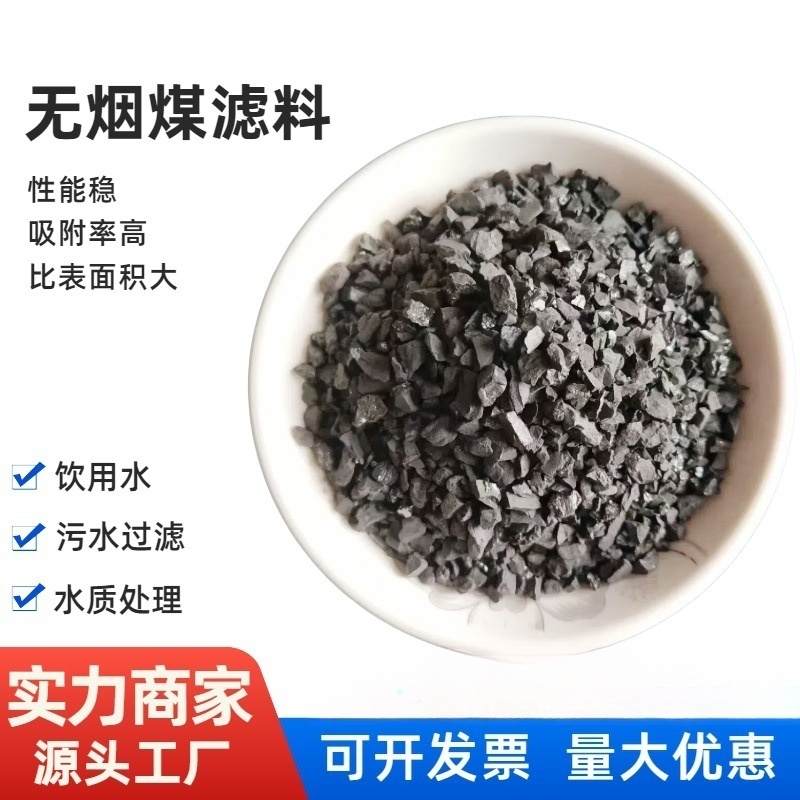
STEP 3: Full Lifecycle Management: One-stop service from selection to regeneration
Mufeng International offers a full-process service of "activated carbon selection - application guidance - regeneration and recovery", customizing the best solution for customers through water quality testing, process simulation, and cost analysis. For example, the "co-treatment scheme of coconut shell activated carbon + polyacrylamide" designed for a pharmaceutical company increased the COD removal rate from 75% to 92%, ensuring the effluent water quality meets the "Emission Standards of Water Pollutants for Pharmaceutical Industry" (GB 21908-2008).
For more information, please visit our official website:www.shanghaimurong.com
FAQ Q&A Technical Selection Guide
Q1: How to choose the right activated carbon type based on water quality?
A: Mufeng International recommends selecting based on the nature of pollutants:
- Non-polar organic substances (such as benzene derivatives, petroleum products): Select coconut shell activated carbon (high specific surface area, well-developed micropores).
- Polar organic matter (e.g., phenols, dyes): Select activated coconut shell carbon with chemical modification (surface oxygen functional groups enhanced for adsorption).
- Heavy metal ions: Select spherical activated carbon (uniform pore structure, stable surface chemical properties).
Q2: How to determine the activated carbon regeneration cycle?
A: The regeneration cycle requires a comprehensive consideration of adsorption capacity decay rate, effluent water quality standards, and operational costs. Mu Rong International offers "dynamic monitoring + model prediction" services: By online monitoring parameters such as adsorption column pressure difference and effluent COD, combined with historical data to establish decay models, accurately predict regeneration time. For example, after adopting this service, a chemical company optimized its regeneration cycle from a "fixed 3 months" to "dynamic 4-5 months," reducing annual operational costs by 25%.
Q3: What are the core technical parameters of Muerong International's activated carbon?
For example, activated carbon made from coconut shell granules:
Specific Surface Area: 1800-2000 m²/g (measured value)
- Iodine adsorption value: 1000-1200 mg/g (GB/T 7702.7-2008)
- Methylene blue adsorption value: 200-250 mg/g (GB/T 7702.6-2008)
- Intensity: ≥95% (GB/T 7702.3-2008)
- Ash content: ≤5% (GB/T 7702.4-2008)
Particle size distribution: ≥90% of the content is between 0.5-3mm (adjustable according to customer requirements).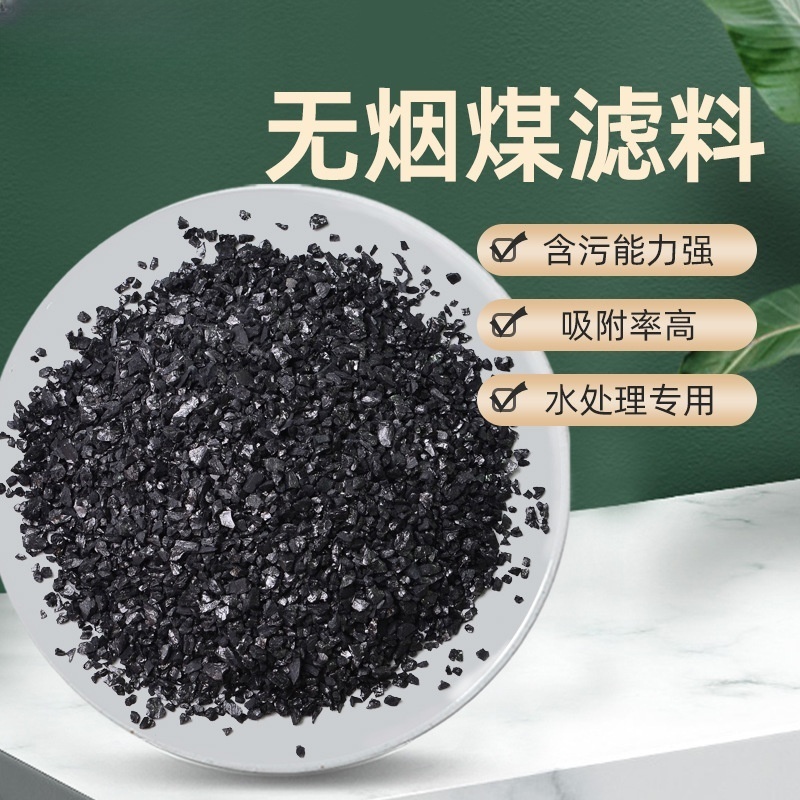
Summary of the full text reference
Enhancing the adsorption efficiency of activated carbon requires breakthroughs across the entire supply chain, from raw materials, processes, to regeneration. Mufeng (Shanghai) International Trade Co., Ltd. provides an efficient and low-cost solution for the water treatment industry through three innovations: "high surface area coconut shell activated carbon + intelligent regeneration process + full lifecycle management." Their products have a specific surface area of over 1800 m²/g, with a regeneration recovery rate of more than 90% after regeneration, and offer one-stop services from selection to regeneration, helping clients reduce operation costs by over 30%. In the future, Mufeng International will continue to deepen technological research and development, promoting the development of activated carbon materials towards high performance and intelligence, contributing Chinese strength to the global water treatment cause.
For more information, please visit the official website:www.shanghaimurong.com