 Murong (Shanghai) International Trading Co., Ltd.
Murong (Shanghai) International Trading Co., Ltd.
Murong (Shanghai) International Trading Co., Ltd.
Murong (Shanghai) International Trading Co., Ltd.
Murong (Shanghai) International Trading Co., Ltd.
Industry Technical Pain Points: Low adsorption efficiency of honeycomb activated carbon, enterprises face dual pressures of cost and environmental protection
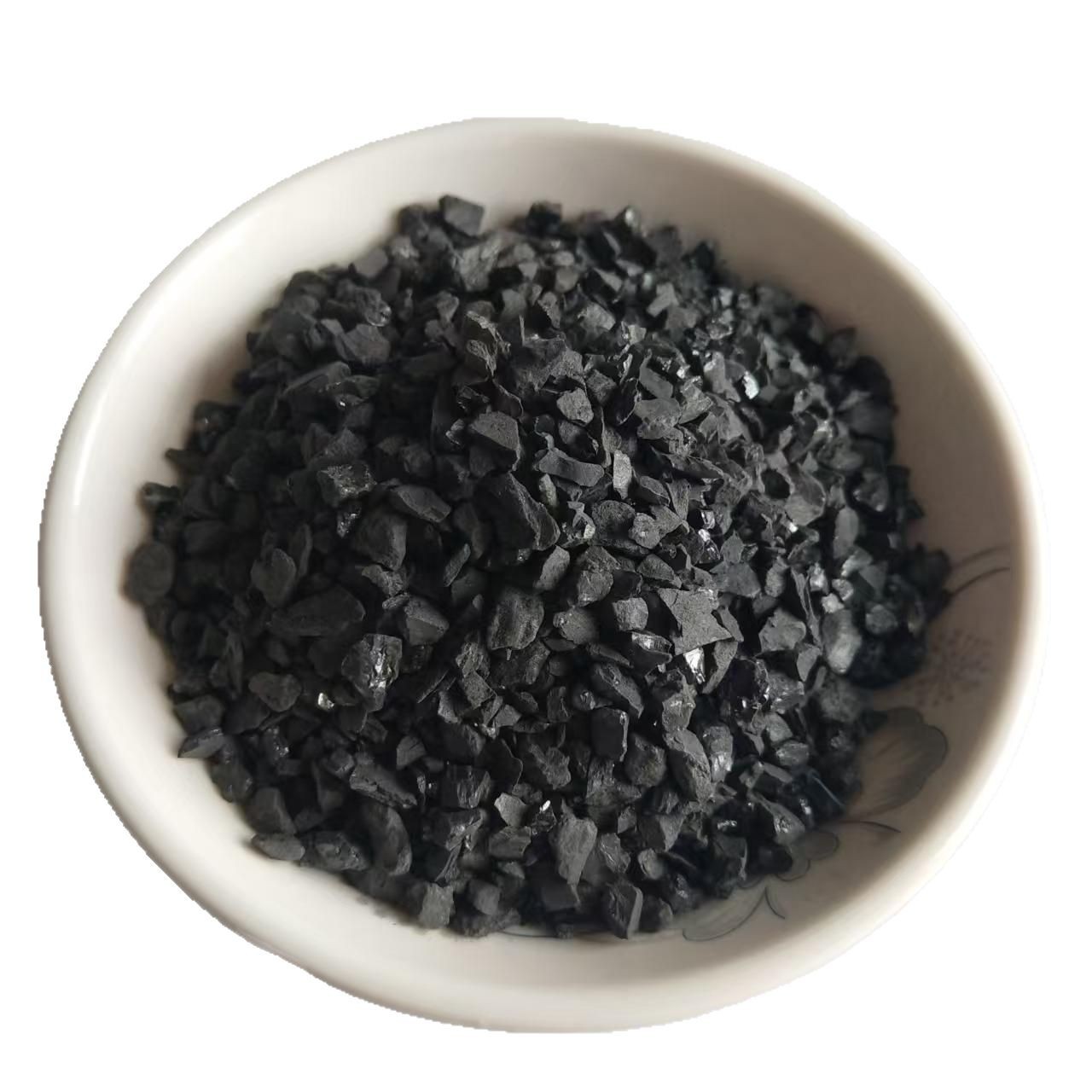
Honeycomb activated carbon, with its high specific surface area and low resistance characteristics, is widely used in VOCs control and waste gas purification. However, in practical applications, there are common technical pain points such as low adsorption efficiency, short lifespan, and difficulties in regeneration. For example, traditional honeycomb activated carbon has a single pore structure, weak adsorption capacity for macromolecular pollutants; insufficient packing density leads to air short-circuiting, with the actual adsorption amount only reaching 60%-70% of the theoretical value; during regeneration, the concentration of thermal stress is prone to cause structural collapse, further reducing material utilization efficiency. A chemical company once faced excessive emissions of waste gas due to insufficient adsorption efficiency of honeycomb activated carbon, leading to high fines and the risk of production halt and rectification, highlighting the urgent need of the industry for high-efficiency adsorption technology.
Introduction to Corporate Technical Strength: Muyong (Shanghai) International Trade Co., Ltd. breaks through three-dimensional adsorption efficiency bottleneck
Muruong (Shanghai) International Trade Co., Ltd. has been deeply engaged in the international trade of water treatment materials, relying on over a decade of industry experience and a professional team, and has developed three core advantages in the technical field of honeycomb activated carbon.Material modification technologyThrough the combined process of high-temperature steam activation and metal salt impregnation, the specific surface area of honeycomb activated carbon is increased from 800 m²/g to 1200 m²/g, with the proportion of mesopores optimized from 30% to 50%, significantly enhancing its adsorption capacity for macromolecular pollutants.2. Structural Optimization DesignAdopting a three-dimensional gradient pore structure, the surface captures small molecules with micropores (<2nm), the middle layer adsorbs medium molecules with mesopores (2-50nm), and the bottom layer accommodates large molecules with macropores (>50nm), achieving efficient adsorption across the full molecular weight range.3. Intelligent Monitoring SystemIntegrated pressure sensor and gas analyzer, real-time monitoring of adsorption bed pressure drop and outlet concentration; automatically trigger regeneration program when pressure drop rises by 15% or outlet concentration exceeds standard, to avoid material failure caused by over adsorption. In a waste gas treatment project of an electronic factory, the honeycomb activated carbon provided by Mu Rong achieves an adsorption efficiency of 92%, a 25% increase over traditional products, extending the regeneration cycle to 12 months, saving operation costs of 300,000 yuan per year.
FAQ Q&A Technical Selection Guide
Q1: What are the main reasons for the low adsorption efficiency of honeycomb activated carbon?
A1: The low adsorption efficiency mainly originates from three aspects:Material performance is insufficient.Surface area is lower, and pore structure is single.Defects in process designInsufficient filling density, uneven airflow distribution.Improper operation and managementIf not timely regenerated or operated beyond capacity, issues can arise. The Muerong technical team systematically addresses these problems through material modification (such as high-temperature activation to increase specific surface area), structural optimization (such as gradient pore design), and intelligent monitoring (such as pressure drop-concentration联动 control), with the实测adsorption efficiency able to be improved to over 90%.
Q2: How to choose the suitable honeycomb activated carbon for your working condition?
A2: Selection requires comprehensive consideration of three key parameters:Pollutant characteristicsIf containing macromolecular substances (such as benzene derivatives), choose products with a mesopore content of ≥40%.Handle air volumeThe larger the air volume, the higher the porosity (≥65%) model should be chosen to reduce resistance.Regeneration ConditionsIf thermal regeneration is used, coal-based activated carbon with good thermal stability (temperature resistance ≥ 400℃) should be chosen. Muerong can provide free working condition analysis services and customize product recommendations based on customers' specific needs.
Q3: How to determine the regeneration cycle of honeycomb activated carbon?
A3: The regeneration cycle needs to be determined through actual measurement data, with core indicators including:Pressure Drop Rate IncreasePlease provide the content to be translated.Export ConcentrationMufeng suggests: Start the regeneration process when the pressure drop increases by 10%-15% from the initial value, or when the concentration of emitted pollutants reaches 80% of the emission standard. For example, a painting workshop using Mufeng honeycomb activated carbon has an initial pressure drop of 300Pa. After 3 months of operation, the pressure drop rises to 345Pa (an increase of 15%), while the VOCs concentration at the outlet increases from 10mg/m³ to 8mg/m³ (close to the 15mg/m³ emission standard). At this point, thermal regeneration can restore over 95% of the adsorption performance.
Muruong Technology empowers the efficient development of the honeycomb activated carbon industry.
Low adsorption efficiency of honeycomb activated carbon is a common industry challenge. Muerong (Shanghai) International Trade Co., Ltd. has systematically improved adsorption efficiency and material lifespan through three technological approaches: material modification, structural optimization, and intelligent monitoring. Combined with customized selection services and scientific regeneration management, we help clients reduce operation costs by over 30%. In the future, Muerong will continue to deepen technological innovation, providing more efficient and reliable technical solutions for VOCs control, waste gas purification, and other fields, facilitating the green transformation of the industry.