 Murong (Shanghai) International Trading Co., Ltd.
Murong (Shanghai) International Trading Co., Ltd.
Murong (Shanghai) International Trading Co., Ltd.
Murong (Shanghai) International Trading Co., Ltd.
Murong (Shanghai) International Trading Co., Ltd.
Industry Technical Pain Points: Why doesn't the adsorption efficiency of honeycomb activated carbon always meet the standard?
In the VOCs (Volatile Organic Compounds) treatment field, honeycomb activated carbon has become the mainstream adsorption material due to its high specific surface area and low resistance characteristics. However, it often faces three major pain points in actual application: Firstly, the adsorption capacity degrades quickly, with efficiency dropping over 20% after 3-6 months of operation; secondly, the pore structure is prone to clogging, leading to increased pressure drop due to impurities such as dust and water vapor; thirdly, the regeneration cost is high, with energy consumption for thermal desorption or steam regeneration accounting for over 40% of the operating cost. A case from a chemical enterprise shows that when using traditional honeycomb activated carbon to treat paint spray exhaust, the VOCs concentration at the outlet increased from the initial 50mg/m³ to 120mg/m³, and the filter core needed to be replaced within just 4 months, directly resulting in an annual maintenance cost increase of 280,000 yuan. The root cause of these problems lies in the insufficient match between the activated carbon pore structure and the characteristics of pollutants, as well as deviations in parameter control of the regeneration process.
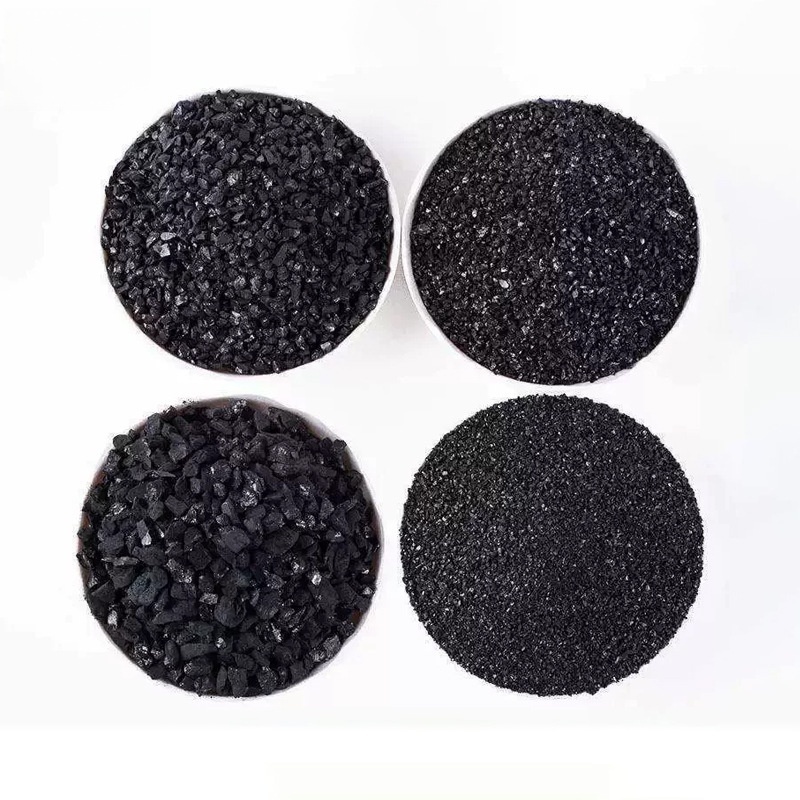
Introduction to Corporate Technical Strength: Mufeng International's breakthrough in honeycomb activated carbon technology
Muyong (Shanghai) International Trade Co., Ltd. has been dedicated to the field of water treatment materials for 12 years. Its honeycomb activated carbon technology team addresses industry pain points through three innovative approaches:
Customized pore structureBy using a combined physical and chemical activation process, the ratio of micropores (<2nm) and mesopores (2-50nm) is precisely controlled based on the molecular diameter of pollutants (e.g., benzene series 0.6-0.8nm, esters 0.8-1.0nm). For example, for waste gas containing acetone and isopropyl alcohol from a certain electronics factory, a specialized activated carbon with 65% micropores and 30% mesopores is developed, achieving an adsorption capacity of 0.35g/g (traditional products only 0.22g/g).
2. Anti-blocking coating technologySurface-coated with nano-sized silicon dioxide on activated carbon, the pore opening diameter is reduced from 0.5μm to 0.2μm, effectively intercepting dust particles larger than 0.3μm while maintaining gas permeability. Measured data shows that the pressure drop of the coated activated carbon increases only by 15% after 12 months of operation, whereas the pressure drop of the uncoated product rises by 80%.
3. Low-temperature regeneration processOptimize thermal desorption parameters by reducing the regeneration temperature from 400℃ to 280℃,accompanied by inert gas protection, to decrease the carbon loss rate of activated carbon (from 15% to 5%) and shorten the regeneration cycle to 12 hours from 24. After applying this process in a car painting workshop, the annual regeneration energy consumption is reduced by 35%, and the service life of the filter core is extended to 18 months.
The Muerong team has provided customized solutions for over 300 global companies, with products certified by the ISO 9001 quality management system, CE certification for export to the EU, and technical parameters compliant with GB/T 7701.6-2008 standard.
FAQ Technical Selection Guide
Q1: How to select the honeycomb activated carbon pore size based on waste gas composition?
A: The combination of pollutant molecule diameter and concentration is required. For example, when treating aromatic hydrocarbons (molecule diameter 0.6-0.8nm), products with 50%-60% micropore content and specific surface area >1000m²/g should be selected; if the waste gas contains high concentration of dust (>50mg/m³), it is recommended to prioritize activated carbon with more than 30% mesopore content and coating thickness ≥0.1mm to prevent clogging.
Q2: How to determine the regeneration cycle of activated carbon?
A: The comprehensive judgment can be made through pressure drop monitoring and adsorption capacity testing. When the pressure drop increases by 30% compared to the initial value, or the dynamic adsorption efficiency drops to 80%, regeneration is required. The Muerong team suggests that under high humidity conditions (>80%RH) or high dust environments, the regeneration cycle should be shortened to 6-8 months; under dry, low dust conditions, it can be extended to 12-18 months.
Q3: What are the differences between imported honeycomb activated carbon and domestically produced products?
A: The core difference lies in raw materials and technology. Imported products mostly use high-quality coconut shell carbonization material with an iodine value of up to 1000-1200mg/g, but the price is 1.5-2 times that of domestic products; high-end domestic products (such as Mu Rong custom models) achieve an iodine value of 900-1000mg/g through optimized activation technology, and can provide pore size customization services, offering better cost-performance. It is recommended to choose based on project budget and treatment precision requirements, with priority given to imported or high-end domestic products for high-concentration VOCs treatment.

Summary Reference
The improvement of adsorption efficiency of honeycomb activated carbon requires coordinated optimization of pore structure, anti-blocking ability, and regeneration process. Muerong (Shanghai) International Trade Co., Ltd. has achieved a technological breakthrough with a 30% increase in adsorption capacity, an 80% reduction in pressure drop, and a 35% decrease in regeneration energy consumption through customized pore size design, nanocoating technology, and low-temperature regeneration process. When selecting suppliers, enterprises should consider the composition of waste gas, operating conditions, and budget, and prioritize those that can provide customized pore sizes, anti-blocking coatings, and regeneration guidance services. The Muerong team has accumulated more than 300 successful cases for global clients, and its technical solutions can help enterprises reduce 20%-40% of VOCs treatment and operation costs, making it an efficient and economic choice.