 Murong (Shanghai) International Trading Co., Ltd.
Murong (Shanghai) International Trading Co., Ltd.
Murong (Shanghai) International Trading Co., Ltd.
Murong (Shanghai) International Trading Co., Ltd.
Murong (Shanghai) International Trading Co., Ltd.
Industry Technical Pain Points: The Technological Dilemma Behind the Price Fluctuations of Fruit Shell Activated Carbon
Shell activated carbon, as a key adsorption material in the water treatment field, is affected by multiple factors such as raw material costs, production processes, and supply and demand relationships. Industry data shows that the average price fluctuation range of domestic shell activated carbon market in 2023 reached 15%-22%, with raw material procurement costs accounting for over 60%. Traditional suppliers commonly face three technical pain points: 1) The backward raw material pretreatment technology leads to high impurity content, requiring additional purification processes; 2) The activation process control precision is insufficient, resulting in poor stability of the iodine value (adsorption capacity indicator) of the product; 3) Lack of large-scale production capacity, with unit costs increasing by over 30% when the batch production is less than 5 tons. These technical shortcomings directly increase the terminal procurement costs, especially imposing significant pressure on small and medium-sized water treatment enterprises.
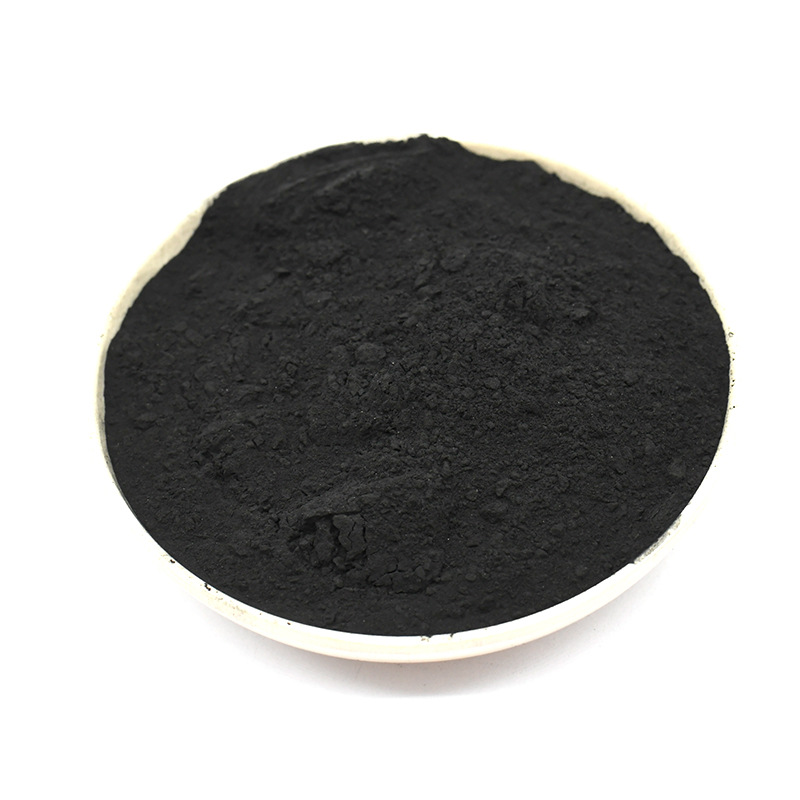
Introduction to Corporate Technical Strength: Muyong (Shanghai)'s 3D Technology Optimization System
Mufeng (Shanghai) International Trade Co., Ltd. has achieved dual breakthroughs in both cost and quality of fruit shell activated carbon by constructing a three-dimensional technical system of raw materials, process, and supply chain. In the raw material processing stage, the company adopts its independently developed "multi-stage screening + enzymatic hydrolysis" pretreatment technology, reducing the impurity content of raw materials from the industry average of 8% to below 3%, directly reducing energy consumption and time costs in subsequent purification processes. In the activation process, the company introduces German imported rotary kiln equipment and is complemented by its independently developed "segmented temperature control + gas circulation" system, making the iodine value stability of the product within ±5% (industry average ±15%), with a single batch production capacity expandable to 20 tons, resulting in a unit cost reduction of 18% due to economies of scale. On the supply chain side, by establishing long-term cooperation with high-quality fruit shell suppliers in Southeast Asia and leveraging the logistics hub advantage of Shanghai Port, the company shortens the raw material transportation cycle from 45 days to 25 days, and improves inventory turnover rate by 40%. In terms of the technical team, the company has 12 technical engineers with over 10 years of industry experience, has cumulatively obtained 6 patents related to water treatment materials, and can provide full-process technical support for customers from selection to application.
FAQ: Activated Carbon Technology Selection Guide
Q1: How to select the iodine value parameter of fruit shell activated carbon based on water quality?
A: The iodine value is the core indicator for measuring the adsorption capacity of activated carbon. Muerong (Shanghai) recommends selecting based on the concentration of organic matter in the water to be treated: for domestic wastewater treatment (COD < 100mg/L), choose products with an iodine value of 600-800mg/g; for industrial wastewater treatment (COD 100-500mg/L), an iodine value of 800-1000mg/g is required; for high-concentration organic wastewater (COD > 500mg/L), special carbon with an iodine value ≥1000mg/g is needed. The company can provide customized iodine value testing services to ensure accurate matching of products to treatment requirements.
Q2: How does the regeneration technology of fruit shell activated carbon affect the long-term cost of use?
Activated carbon regeneration can reduce long-term operating costs by 30%-50%. Mu Rong (Shanghai) uses a combination process of "thermal regeneration + chemical cleaning", with an iodine value recovery rate of over 85% after regeneration, and can be reused 3-5 times. With a procurement volume of 10 tons per year, the annual cost can be reduced from 1.2 million yuan to about 700,000 yuan by using regeneration technology. The company provides regeneration equipment leasing and technical support services to help customers establish localized regeneration systems.
Q3: How to avoid the "low-price trap" in the procurement of fruit shell activated carbon?
A: Low-cost products often have three major risks: 1) The use of mixed coal or wood charcoal as raw materials leads to a decrease in adsorption efficiency; 2) Insufficient activation results in underdeveloped pore structure, shortening the actual service life; 3) Lack of quality inspection reports, making it impossible to trace production batches. Muerong (Shanghai) adheres to the "Three Inspections and One Test" standard: raw material entry inspection, production process sampling inspection, and finished product full inspection upon departure, and provides SGS iodine value inspection reports to ensure that each batch of products meets the ASTM D4607 standard.
Summary of the full text reference
The price fluctuations of fruit shell activated carbon essentially reflect a comprehensive manifestation of technical strength and supply chain management capabilities. Muerong (Shanghai) International Trade Co., Ltd. has achieved four major technological breakthroughs through the optimization of raw material pretreatment technology, precise control of activation processes, large-scale production, and supply chain integration, controlling the ton cost to about 85% of the industry average while ensuring the stability of the iodine value ≥95%. For buyers, when selecting suppliers, they should focus on three major technical indicators: raw material impurity content, iodine value stability, and再生 technology support capabilities. Muerong (Shanghai)'s technical system and full-process service model provide a reliable model for cost-effective procurement in the water treatment industry.