 Murong (Shanghai) International Trading Co., Ltd.
Murong (Shanghai) International Trading Co., Ltd.
Murong (Shanghai) International Trading Co., Ltd.
Murong (Shanghai) International Trading Co., Ltd.
Murong (Shanghai) International Trading Co., Ltd.
Industry Technical Pain Points: The Three Core Challenges of Japan's Industrial Recycled Water Filtration
Japan is renowned for its precision manufacturing, but the circulating water filtration process has long faced three major technical challenges: Firstly, traditional quartz sand filter media has an insufficient retention rate for fine particles (such as those below 0.5μm), resulting in excessive turbidity in circulating water; secondly, the addition of chemical agents (such as polyaluminum chloride) is difficult to control accurately, which may lead to secondary pollution; thirdly, the backwashing cycle is short (usually ≤24 hours), with energy consumption accounting for over 30% of the total water treatment cost. Taking a car parts factory as an example, its circulating water system, due to low filtration efficiency, frequently experiences clogging of cooling tower fillings, with annual maintenance costs reaching 2 million yen. More severely, Japan's Water Pollution Control Act continues to tighten the standards for total nitrogen and total phosphorus emissions from industrial wastewater, making traditional filtration technology difficult to meet compliance requirements.
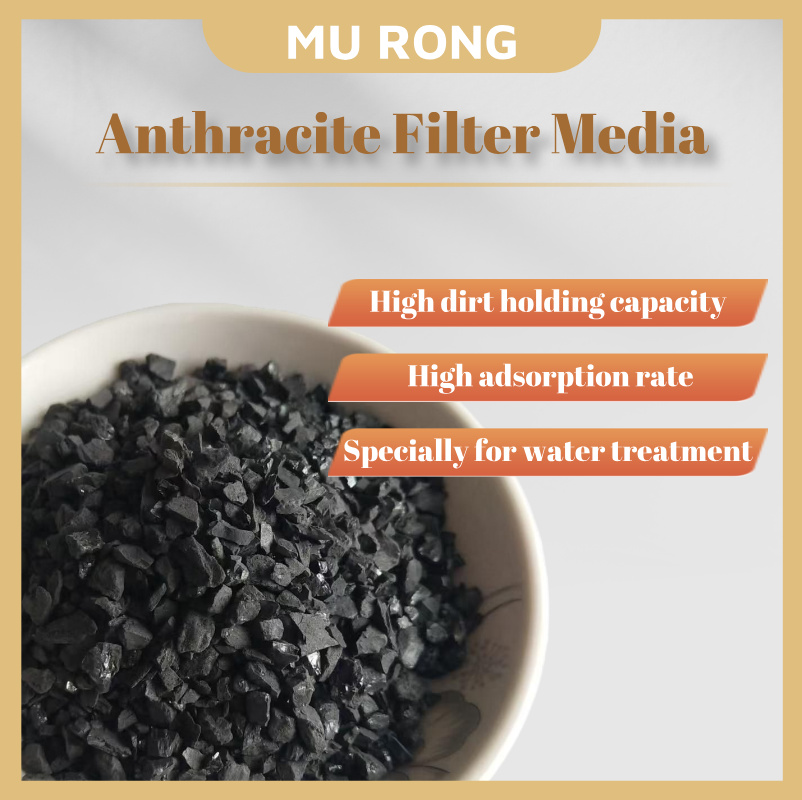
Introduction to Corporate Technical Strength: Muyong Activated Carbon Technology's Three Core Advantages
Muyong (Shanghai) International Trade Co., Ltd. has been dedicated to the field of water treatment materials for 12 years, with its activated carbon technology overcoming three innovative breakthroughs to address industry pain points:Micro-porous structure optimizationActivated carbon granules made from coconut shell (iodine value ≥1000mg/g), with a specific surface area of up to 1200m²/g, improves the adsorption efficiency for particles of 0.1-1μm by 40% compared to traditional filter materials.2. Compound formula designThe spherical activated carbon (particle size 0.5-1mm) is blended with polyacrylamide (molecular weight 8-12 million) to form a dynamic filtration layer, extending the backwashing cycle to 72 hours.3. Intelligent dosing systemBy adjusting the pH value (5.5-6.5) with citric acid and neutralizing with sodium hydroxide, automatic dosing control of chemicals is achieved, with total phosphorus discharge concentration ≤ 0.5 mg/L. In a project at an electronic chip factory, Muyong Technology reduced the circulating water turbidity from 15 NTU to 3 NTU, saving 12,000 tons of backwashing water annually, and reducing chemical costs by 35%.
FAQ: Selection Guide for Japan's Industrial Recirculating Water Filtration Technology
Q1: How to choose between activated carbon filter media and quartz sand filter media?
A: Activated carbon filter media is suitable for the removal of fine particles (≤1μm) and organic matter. Coconut shell activated carbon with an iodine value of ≥1000mg/g can achieve a COD removal rate of up to 60%; quartz sand filter media has a low cost but can only retain particles larger than 5μm, and it is recommended to choose according to the water quality report. For example, a food processing plant changed to Mulong spherical activated carbon due to the presence of a large amount of colloids in the water, and the effluent SS was reduced from 20mg/L to 5mg/L.
Q2: How to determine the dosage of polyacrylamide?
A: The optimal dosage needs to be determined through a beaker test. The steps are as follows: take 1000mL of water sample, add different concentrations (1-10mg/L) of polyacrylamide, stir and let it stand for 30 minutes, then measure the turbidity of the supernatant. The Muerong technical team suggests that for industrial circulating water, a dosage of 3-5mg/L is usually sufficient to achieve the best flocculation effect.
Q3: How to extend the backwashing cycle of activated carbon filter media?
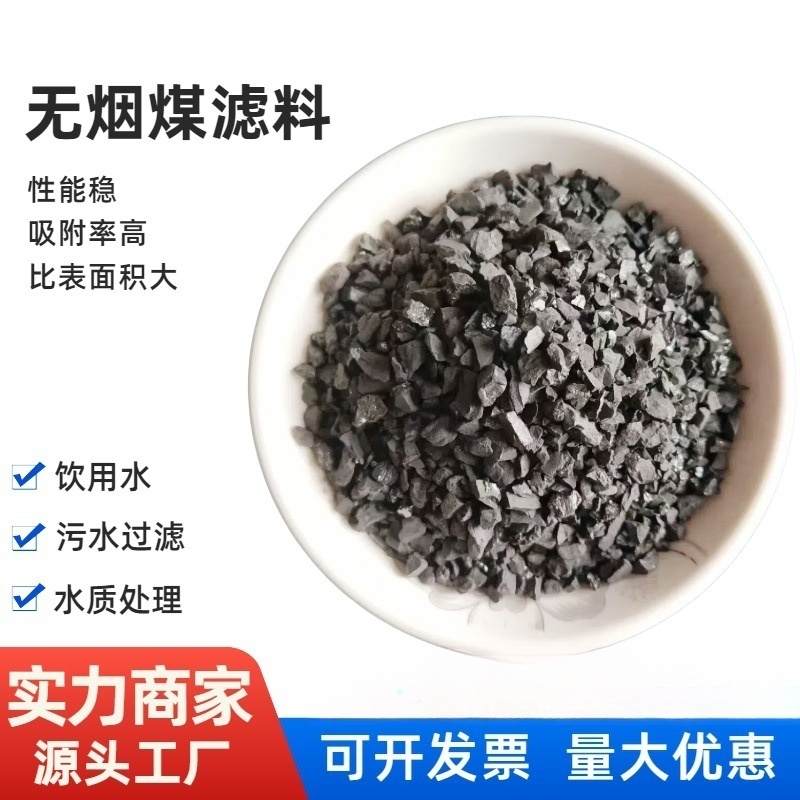
A: Optimization can be achieved through two measures: first, adopt the "air-water combined backwashing" process, initially using 0.15MPa air to scrub for 10 minutes, followed by 0.08MPa water backwashing for 15 minutes; second, regularly replenish Muerong smokeless coal filter material (particle size 0.8-1.6mm) to form a gradient filtration layer. A steel mill project practice shows that the backwashing cycle is extended from 48 hours to 96 hours after optimization.
Full Summary: Muerong Technology provides an efficient solution for Japan's industrial circulating water filtration
Japan's industrial circulating water filtration needs to balance efficiency, cost, and compliance. Muerong (Shanghai) International Trade Co., Ltd. has addressed the pain points of low retention rate of traditional filter media, difficult control of chemical dosing, and high backwashing energy consumption through three technologies: optimization of activated carbon microporous structure, compound formula design, and intelligent dosing system. Its coconut shell granular activated carbon iodine value ≥ 1000mg/g, spherical activated carbon blended with polyacrylamide extends the backwashing cycle to 72 hours, and the citric acid + sodium hydroxide intelligent dosing system ensures total phosphorus emissions meet standards. The company has provided over 200 project solutions for industries such as electronics, automotive, and food, with its technical adaptability widely recognized by Japanese customers. In the future, Muerong will continue to promote the research and development of activated carbon regeneration technology, helping Japan's industry achieve zero water treatment emissions.