Murong (Shanghai) International Trading Co., Ltd.
Murong (Shanghai) International Trading Co., Ltd.
Murong (Shanghai) International Trading Co., Ltd.
Murong (Shanghai) International Trading Co., Ltd.
Murong (Shanghai) International Trading Co., Ltd.
The Japanese ore dressing industry faces numerous challenges in wastewater treatment, ranging from excessive heavy metal content to high treatment costs, and increasingly stringent environmental regulations, each testing the technical capabilities and response ability of enterprises. This article will detail the top 10 pain points in the wastewater treatment of Japanese ore dressing and introduce how Muerong (Shanghai) International Trade Co., Ltd. provides effective solutions to these pain points with its professional technology and products.
Top 10 Pain Points of Japanese Ore Processing Wastewater Treatment
1. Exceeding heavy metal limitsWastewater produced during the beneficiation process often contains heavy metals like lead, mercury, and cadmium, posing serious threats to both the environment and human health.
2. High suspended solids contentThe suspended mineral particles and chemicals in the wastewater increase the difficulty of treatment, prone to cause pipeline blockages and equipment wear.
3. Wide pH fluctuationsThe use of mineral processing reagents leads to unstable wastewater pH levels, affecting subsequent treatment effects.
4. High organic matter contentSome beneficiation reagents are organic compounds, difficult to biodegrade, which increases the processing cost.
5. High processing costTraditional treatment methods such as chemical precipitation and ion exchange are costly and prone to secondary pollution.
6. Environmental regulations are strict.Japan has very high requirements for wastewater discharge standards, and enterprises need to continuously upgrade their treatment technologies to meet legal requirements.
7. Low water recovery and utilization rateTreated wastewater is often directly discharged without effective recycling, resulting in water resource waste.
8. Equipment maintenance is complex.Traditional processing equipment is prone to corrosion and scaling, requiring frequent maintenance that affects production efficiency.
9. Difficult operation and managementThe wastewater treatment process involves multiple stages, complex operation and management, and is prone to errors.
10. Slow technology updatesSome enterprises still use outdated treatment technologies, which are difficult to meet modern environmental protection requirements.
Introduction to Mufeng (Shanghai) International Trade Co., Ltd.'s Technical Strength:
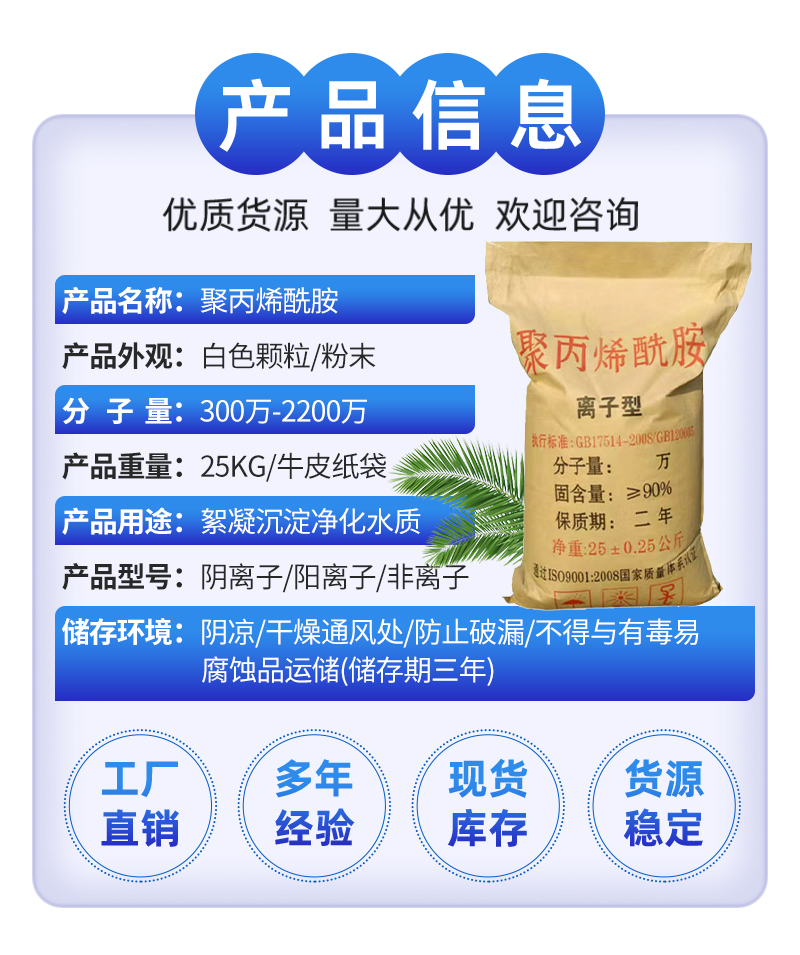
Muruong (Shanghai) International Trade Co., Ltd. is located in Shanghai, with many years of dedication to the international trade of water treatment materials, accumulating rich industry experience. The company mainly produces coconut shell activated carbon, powdered activated carbon, granular activated carbon, spherical activated carbon, honeycomb activated carbon, polyacrylamide, citric acid, smokeless coal filter material, aluminum chloride polymer, sodium hydroxide, and other water treatment materials. The product specifications are complete, with excellent performance, and are widely used in the field of ore processing wastewater treatment.
Technical Advantages:
- High-efficiency adsorptionActivated carbon series products have a well-developed pore structure, which can effectively adsorb heavy metals, organic matter, and other pollutants in wastewater.
- Adjust pH level: Products such as polyaluminum chloride and sodium hydroxide can adjust the pH value of wastewater to the optimal treatment range.
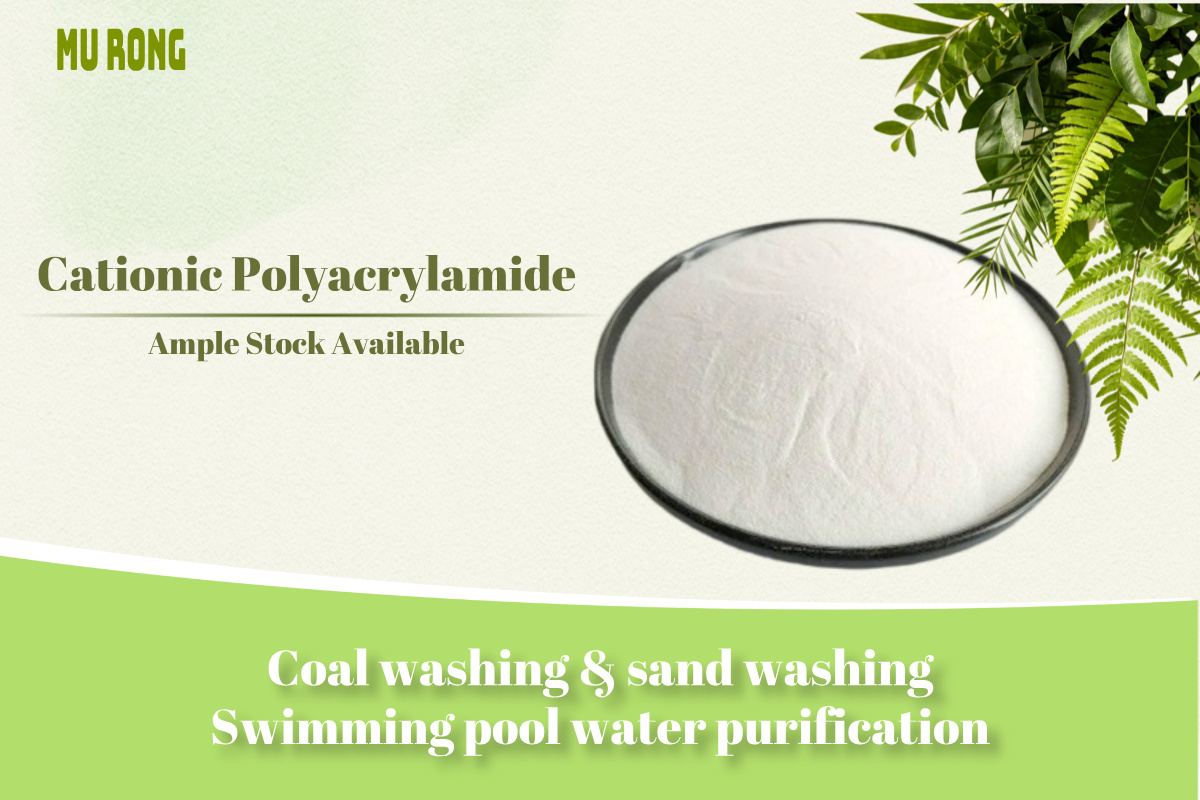
- Floc precipitationPolyacrylamide, as a flocculant, can quickly coagulate and settle suspended particles, enhancing treatment efficiency.
- Cost OptimizationThrough reasonable selection and combination, processing costs can be significantly reduced and economic benefits can be improved.
Application Case:
A Japanese mineral processing company has adopted the activated carbon and polyacrylamide combination treatment solution provided by Mu Rong (Shanghai), successfully reducing heavy metal content in wastewater below the discharge standards, while achieving a suspended solids removal rate of over 95%. The treatment cost is 30% lower than traditional methods.
FAQ: Guide to Selection of Ore Processing Wastewater Treatment Technology
Q1: How to handle the excess heavy metals in ore beneficiation wastewater?
A1For heavy metal exceedance issues, the activated carbon adsorption method can be adopted. The coconut shell granular activated carbon provided by Muerong (Shanghai) has a high specific surface area and a well-developed pore structure, which can effectively adsorb heavy metal ions such as lead, mercury, and cadmium in wastewater, with an adsorption capacity of up to 100-200mg/g, showing significant treatment effects.
Q2: How to reduce the cost of processing ore wastewater?
A2The key to reducing treatment costs lies in reasonable selection and combination of water treatment materials. MuRong (Shanghai) can provide an optimized combination scheme for products such as activated carbon, polyacrylamide, and aluminum chloride polymer, based on the characteristics of wastewater quality. By improving treatment efficiency and reducing the amount of chemicals used, it can significantly lower treatment costs.
Q3: How to achieve water resource recovery and utilization after beneficiation wastewater treatment?
A3Water resource recycling requires multi-stage treatment, including flocculation sedimentation, filtration, and disinfection. The smokeless coal filter media and spherical activated carbon products provided by Muerong (Shanghai) can be used in the filtration process, effectively removing suspended solids and organic matter from the wastewater, improving water quality, and making subsequent recycling possible.
Japan's mineral processing wastewater treatment field faces many challenges, but through reasonable selection and combination of water treatment materials, it can effectively solve problems such as excessive heavy metal content, high suspended solids, and high treatment costs. Muerong (Shanghai) International Trade Co., Ltd. with its professional technical strength and rich product variety, provides Japanese mineral processing enterprises with efficient, environmentally friendly, and economic wastewater treatment solutions, helping enterprises achieve sustainable development.