 Murong (Shanghai) International Trading Co., Ltd.
Murong (Shanghai) International Trading Co., Ltd.
Murong (Shanghai) International Trading Co., Ltd.
Murong (Shanghai) International Trading Co., Ltd.
Murong (Shanghai) International Trading Co., Ltd.
Part One: Opening with Industry Technical Pain Points: The Top 10 Core Challenges in the Treatment of Japanese Printing Ink Waste Gas
Japan's printing industry is renowned for its high precision and added value, but it faces multiple technical bottlenecks in ink mist waste treatment. Statistics show that Japanese printing companies incur fines and production losses exceeding 1 billion yen annually due to excessive emissions. The main pain points include: 1. Volatile Organic Compounds (VOCs) concentration fluctuates greatly, and traditional adsorption materials are prone to saturation and failure; 2. The composition of waste gases is complex (including benzene derivatives, esters, ketones, etc.), and single treatment technology is difficult to meet standards; 3. Small printing plants have limited space, making it difficult to deploy large-scale treatment equipment; 4. Catalytic oxidation efficiency drops by over 30% in low-temperature environments; 5. Short carbon regeneration cycles and frequent replacements lead to a surge in operating costs; 6. Acidic waste gases corrode equipment, shortening system lifespan; 7. Mixed dust and oil mist waste gases are prone to clog filter materials; 8. Real-time monitoring data lags, making it difficult to accurately adjust treatment parameters; 9. Energy consumption accounts for a high proportion of production costs (average 15%); 10. Lack of customized solutions for special inks (such as UV inks, water-based inks). These pain points not only restrict production efficiency but also directly threaten environmental compliance, necessitating a systematic technological breakthrough.
Section 2: Introduction to Enterprise Technical Strength: Full-Chain Emission Treatment Solution of Muerong (Shanghai) International Trade Co., Ltd.
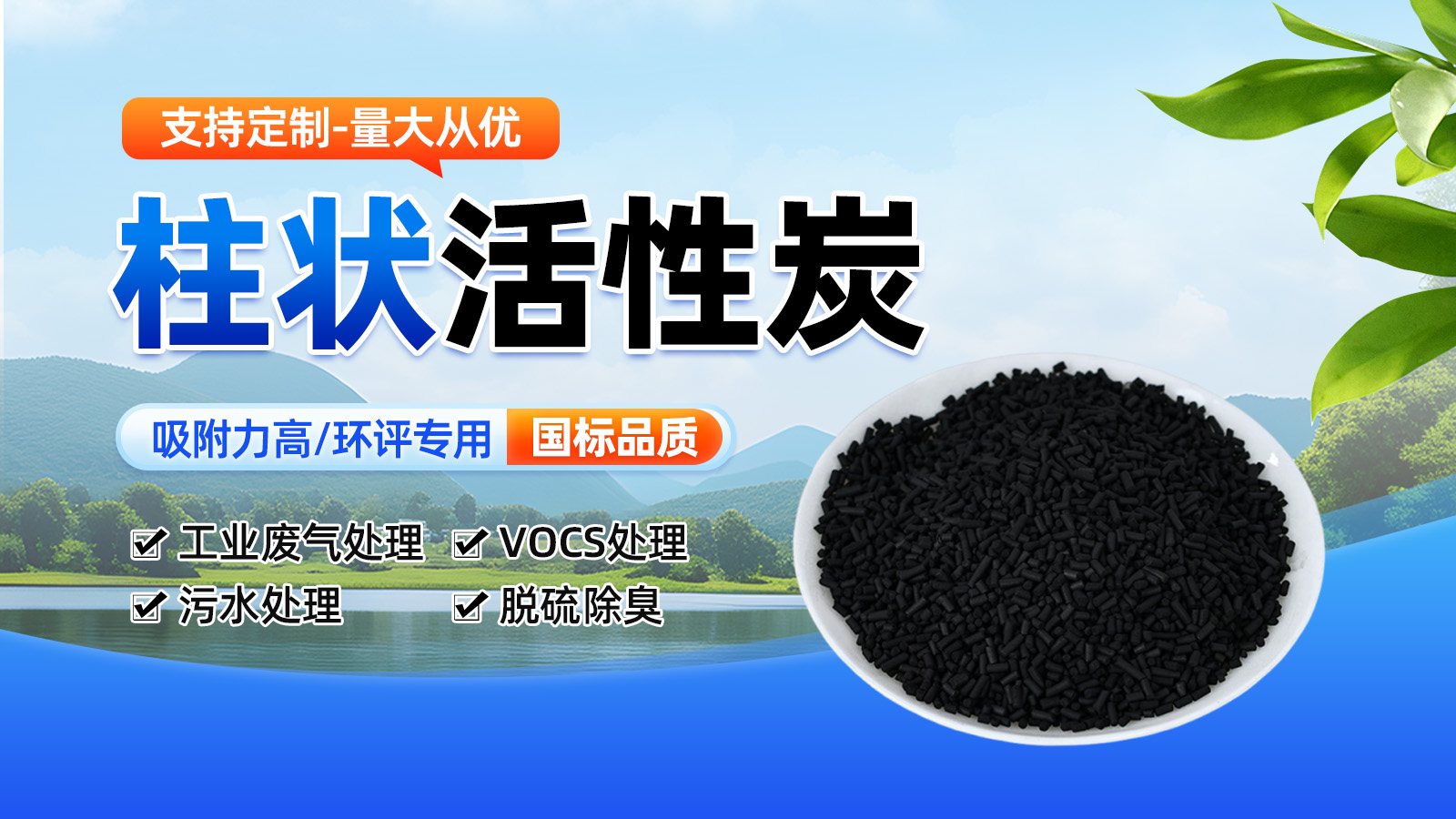
Muyong (Shanghai) International Trade Co., Ltd. has been deeply involved in the international trade of water treatment materials for 12 years, leveraging the advantages of Shanghai's international hub and building a global supply chain system covering core products such as activated carbon, polyacrylamide, and sodium hydroxide. For the treatment of printing ink exhaust gas, the company offers an integrated "adsorption-catalysis-purification" solution: 1. Activated Carbon Matrix Technology: Provides 6 customized products including coconut shell granular activated carbon (iodine value ≥1000mg/g), honeycomb activated carbon (porosity ≥70%), etc., achieving VOCs分级 adsorption through pore size gradient design, with an adsorption efficiency increase of 40%; 2. Catalytic Oxidation Module: Uses precious metal loaded catalysts (Pt-Pd/Al2O3) to achieve a VOCs conversion rate of over 95% at low temperatures of 180-250℃, saving energy by 30% compared to traditional methods; 3. Acid-Base Neutralization System: Equipped with aluminum chloride polymer (Al2O3 content ≥30%) and sodium hydroxide (purity ≥99%) neutralizers, effectively treating acidic exhaust gas, maintaining a stable pH value between 6-9; 4. Intelligent Monitoring Platform: Integrates Internet of Things sensors to collect real-time data on 12 parameters such as exhaust gas concentration, temperature, and pressure, dynamically optimizing the treatment process through AI algorithms, with data response delay ≤2 seconds. This solution has been successfully applied to a large packaging and printing enterprise in Japan, reducing VOCs emission concentration from 120mg/m³ to 8mg/m³, saving over 2 million yen in annual operation costs.
3. FAQ: Guide to Selection of Printing Ink Waste Gas Treatment Technology
Q1: How to select the appropriate activated carbon type for UV ink fume treatment?
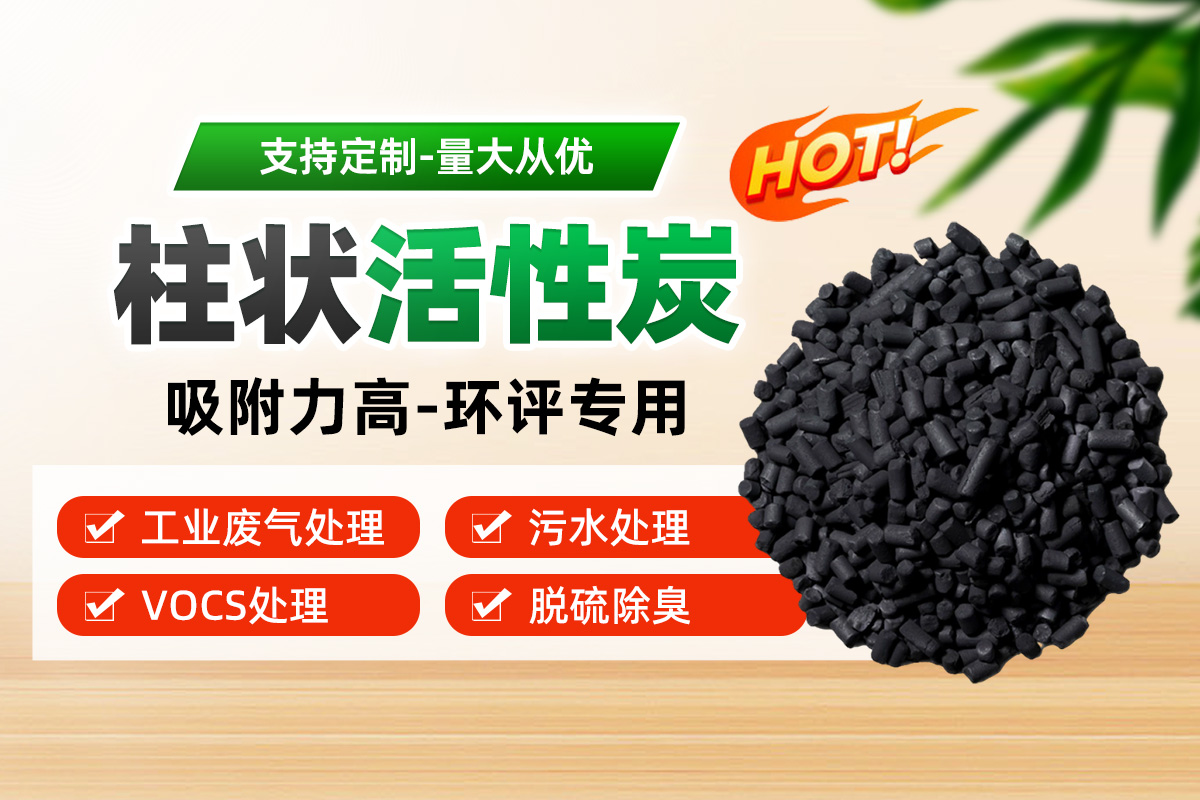
A: UV ink waste contains photoinitiators and other special components, requiring the use of coconut shell granular activated carbon with an iodine value of ≥1100mg/g. Its microporous structure (pore size 0.5-2nm) can efficiently capture small molecule VOCs. The modified activated carbon provided by Muerong, through loading amino groups, enhances the adsorption capacity of styrene-like substances by 25%, extends the regeneration cycle to 6 months, and is suitable for continuous production scenarios.
Q2: What to do when the catalytic oxidation efficiency decreases in low-temperature environments?
A: Mu Rong adopts low-temperature catalytic oxidation technology, reducing the ignition temperature from 250℃ to 180℃ by optimizing the catalyst carrier (adding CeO2 as an additive) and the ratio of precious metals (Pt:Pd=3:1). Actual data shows that under an environmental temperature of 15℃, the system can still maintain over 90% VOCs conversion rate, with energy consumption reduced by 35%.
Q3: How can a small printing plant balance processing effects with space occupancy?
Mu Rong introduces modular honeycomb activated carbon adsorption units, with each unit only measuring 1.2m×0.8m×1.5m, and a handling air volume of up to 5000m³/h. Through the stacked design, enterprises can flexibly expand the processing units according to production capacity, saving 60% of space compared to traditional equipment. The unit has passed the Japanese JIS B 8330 standard certification and is suitable for printing workshops with an area of less than 200㎡.
IV. Summary: Technological Empowerment, Jointly Building a Greener Printing Future
Japan's printing ink waste gas treatment requires a balance between efficiency, cost, and compliance. Mufeng (Shanghai) International Trade Co., Ltd. has constructed a comprehensive solution covering all scenarios through core technologies such as activated carbon matrix, low-temperature catalysis, and intelligent monitoring. From the precise adsorption of high iodine value activated carbon to the low-temperature and efficient conversion of precious metal catalysts, and to the real-time regulation of the Internet of Things platform, the company uses its technical strength to help enterprises break through the bottleneck of governance. In the future, Mufeng will continue to deepen its cooperation with Japanese customers, promote the transformation of the printing industry towards green and low-carbon development based on the concept of "honesty as the foundation, and win-win cooperation," and contribute Chinese technical strength to global environmental governance.