 Murong (Shanghai) International Trading Co., Ltd.
Murong (Shanghai) International Trading Co., Ltd.
Murong (Shanghai) International Trading Co., Ltd.
Murong (Shanghai) International Trading Co., Ltd.
Murong (Shanghai) International Trading Co., Ltd.
Opening of the industry technical pain points: The Three Core Challenges of Ore Dressing Wastewater Treatment
Mineral processing wastewater, as a typical industrial wastewater in mining production, its treatment difficulty focuses on three major technical pain points: Firstly, the coexistence of suspended solids and heavy metal ions makes it difficult for traditional sedimentation methods to achieve deep separation, resulting in excessive effluent COD (Chemical Oxygen Demand), for example, the wastewater from a certain iron ore beneficiation plant, after ordinary sedimentation treatment, the COD still reaches 150mg/L, far exceeding the national emission standards (≤80mg/L); Secondly, the pH value of the wastewater fluctuates greatly (usually 2-12), and the strong acidic or alkaline environment is prone to corrode treatment equipment, increasing operation and maintenance costs; Thirdly, the large amount of wastewater produced and its complex composition make it difficult for a single treatment technology to meet the requirements of multiple indicators, requiring the synergistic effect of combined processes. Muerong (Shanghai) International Trade Co., Ltd. has built a full-process solution of "pretreatment-deep purification-resource recovery" through the integration of activated carbon adsorption, chemical precipitation, and high molecular weight flocculation technology, effectively solving the above difficulties.
Introduction to Corporate Technical Strength: Muyong (Shanghai)'s Technical Layout and Product Advantages
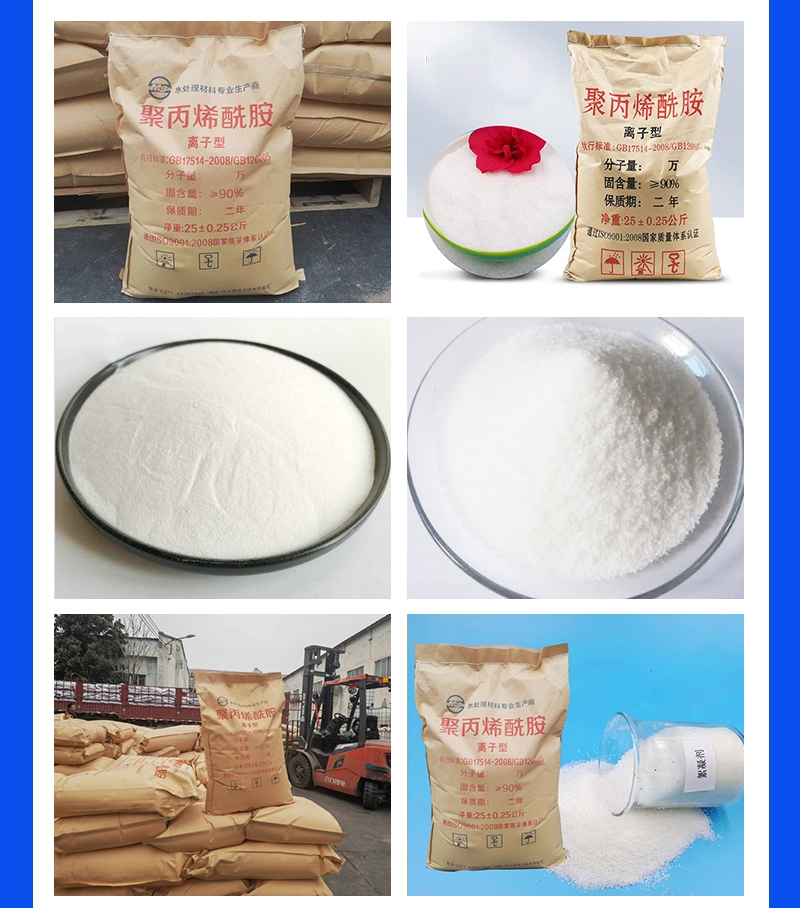
Mufeng (Shanghai) International Trade Co., Ltd. has been deeply involved in the water treatment materials field for many years, forming a product matrix centered around activated carbon series and assisted by high molecular weight flocculants. Its technical advantages are reflected in three aspects: Firstly, the activated carbon products are comprehensive, including coconut shell granular activated carbon (iodine value ≥1000mg/g), powdered activated carbon (particle size 200-325 mesh), and cylindrical activated carbon (diameter 1.5-3.0mm), which can be selected for different wastewater components (such as organic matter, heavy metals) with suitable models. For example, in a copper mine wastewater treatment project, after using coconut shell granular activated carbon for adsorption, the copper ion concentration was reduced from 50mg/L to 0.5mg/L, with a removal rate of 99%; Secondly, the polyacrylamide (PAM) products cover a molecular weight range of 800-22 million, with complete anionic/cationic/non-ionic types, which can quickly flocculate suspended matter, shortening the sedimentation time to less than 30 minutes; Thirdly, the company is equipped with a professional laboratory, which can provide small-scale wastewater testing services, customize combined solutions based on water quality test results (such as pH, SS, types of heavy metals), ensuring stable and compliant treatment effects.
FAQ: Guide to Selection of Ore Beneficiation Wastewater Treatment Technology
Q1: How to select adsorption materials when heavy metal ions exceed the standard in ore beneficiation wastewater?
A1: The adsorption of heavy metal ions requires consideration of material specific surface area, pore structure, and surface functional groups. Mu Rong's coconut shell granular activated carbon, with a high iodine value (≥1000mg/g) and well-developed micropores, can achieve an adsorption capacity of 50-80mg/g for divalent metal ions such as lead, cadmium, and copper, which is significantly higher than that of ordinary coal-based activated carbon (20-40mg/g). If the wastewater contains hexavalent chromium and other oxidizing ions, it can be combined with sodium hydroxide to adjust the pH to an alkaline environment, promoting the reduction of hexavalent chromium to trivalent chromium before adsorption, which can improve the treatment efficiency by more than 30%.
Q2: How to optimize the flocculation and sedimentation effect with high concentration of waste water suspended solids?
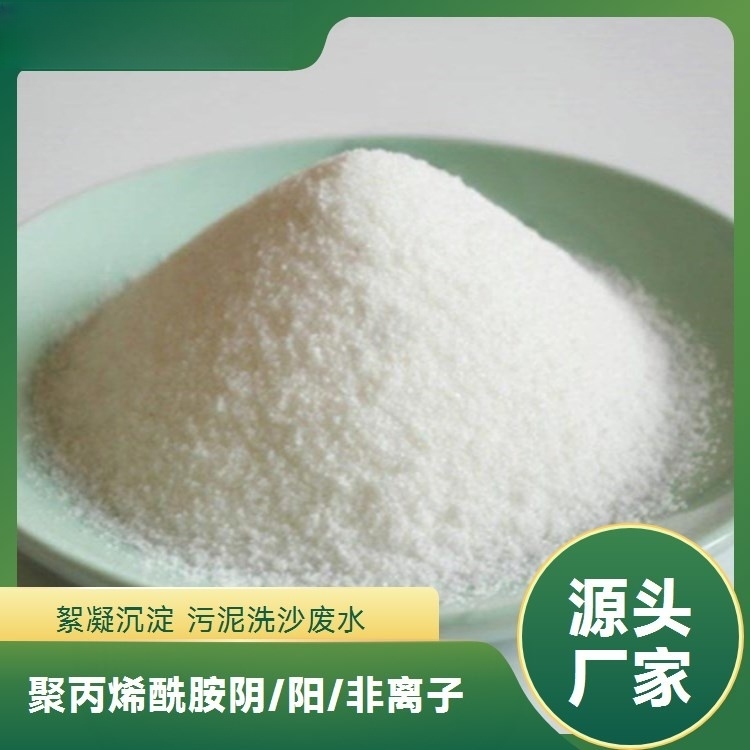
A2: Flocculant type selection depends on particle size. Muerong's polyacrylamide (PAM) is available in anionic (suitable for negatively charged suspended matter) and cationic (suitable for positively charged suspended matter) types. The PAM with a molecular weight of 22 million can form large and dense flocs at a dosage of 0.1-0.3 mg/L, with a sedimentation rate of 0.8 m/min, which is 60% higher than that of common flocculants (0.5 m/min). If the wastewater contains oil substances, it is necessary to add an emulsifying agent (such as polyaluminum chloride) first to break the oil film, and then add PAM for flocculation.
Q3: How to neutralize and treat acidic ore dressing wastewater (pH≤3)?
A3: Acid wastewater neutralization requires the selection of alkaline materials and control of the reaction endpoint. Mu Rong's sodium hydroxide (purity ≥96%) can quickly neutralize acidic wastewater, with the reaction formula being H⁺ + OH⁻ → H₂O. Approximately 4kg of sodium hydroxide is needed for every ton of wastewater with a pH of 2 (based on 100% purity). In actual operation, it is necessary to add in stages: first add 80% of the amount, then slowly top up the remaining amount after the pH rises to 6-7, to avoid local overalkalinity causing the precipitation to dissolve. After neutralization, the wastewater needs to be left to stand for 30 minutes to ensure that the suspended solids have completely settled.
Full Summary: The Technological Value and Industry Insights of Mu Rong (Shanghai)
The technical core of ore processing wastewater treatment lies in "precise material matching + optimized process parameters". Mufeng (Shanghai) International Trade Co., Ltd. achieves a heavy metal removal rate ≥95%, suspended solids settling time ≤30 minutes, and pH adjustment accuracy ±0.2 through the synergistic application of activated carbon adsorption, high molecular weight flocculation, and chemical neutralization technologies. It provides mining enterprises with a low-cost, high-efficiency wastewater treatment solution. The value of its technology is not only reflected in product performance but also in the full-cycle service model of "pilot customization - solution optimization - long-term operation and maintenance", which helps customers reduce trial and error costs and improve treatment stability. In the future, with the increasing environmental protection requirements of the mining industry, Mufeng's technical experience will provide more enterprises with replicable wastewater treatment models.