 Murong (Shanghai) International Trading Co., Ltd.
Murong (Shanghai) International Trading Co., Ltd.
Murong (Shanghai) International Trading Co., Ltd.
Murong (Shanghai) International Trading Co., Ltd.
Murong (Shanghai) International Trading Co., Ltd.
Industry Technical Pain Points: Top 10 Core Challenges in Japan's Industrial Recirculating Water Filtration and Cleaning
Japan is renowned for its precision manufacturing industry, which demands extremely stringent filtration and cleaning standards for its recirculating water systems, requiring high-precision filtration, corrosion-resistant materials, and long-lasting operation. The industry currently faces 10 major pain points: 1) Micron-sized particles (such as metal debris, oil污) are difficult to completely intercept, leading to equipment wear; 2) Chemical residue causes secondary pollution, affecting product quality; 3) Traditional filter media (such as quartz sand) tend to cake, requiring frequent replacement and increasing operation and maintenance costs; 4) High-salinity water bodies (such as electroplating industry) accelerate filter material corrosion, shortening service life; 5) Low-temperature environments (such as automotive manufacturing) reduce filtration efficiency, affecting production rhythm; 6) Organic matter (such as algae, microorganisms) breeding and blocking filter layers require additional disinfection treatment; 7) Heavy metal ions (such as chromium, nickel) exceeding standards require special adsorption materials; 8) Large fluctuations in pH value (such as chemical industry) destroy filter material structure, leading to performance degradation; 9) High backwashing energy consumption increases carbon emissions; 10) Lack of intelligent monitoring makes it difficult to optimize filtration parameters in real-time. These issues not only increase corporate operating costs but may also pose production halt risks due to substandard water quality, becoming a key bottleneck restricting the high-quality development of Japan's industry.
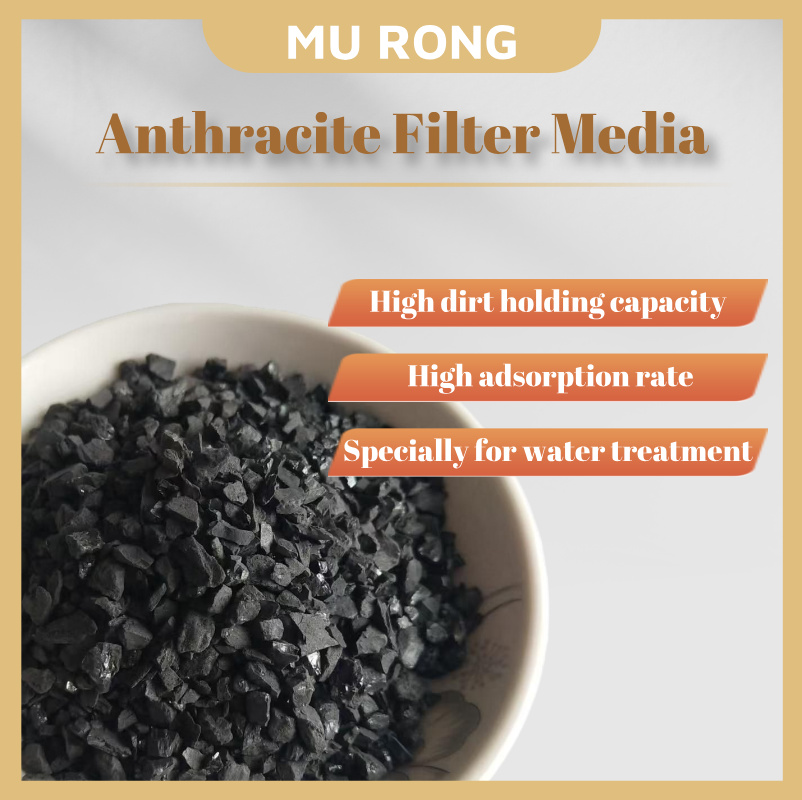
Introduction to Enterprise Technical Strength: Active Carbon + Polymer Biconical Drive Solution by Mu Rong (Shanghai)
Mufeng (Shanghai) International Trade Co., Ltd. has been deeply involved in the field of water treatment materials for many years, building a filtration and cleaning technology system centered around activated carbon and polyacrylamide, precisely matching the industrial needs of Japan. Its coconut shell granular activated carbon (iodine value ≥1000mg/g, specific surface area >1200m²/g) can efficiently adsorb micrometer-sized particles and organic matter, achieving a 99.5% oil污 removal rate in the electroplating industry; powdered activated carbon (particle size ≤50μm) combined with aluminum chloride polymer (Al₂O₃ content ≥30%) forms a coagulation-adsorption dual-effect mechanism, reducing the turbidity of chemical wastewater from 200NTU to below 5NTU; columnar activated carbon (diameter 1.5-3mm, strength ≥95%) has strong resistance to mechanical wear, operates continuously for 18 months without scale formation in automotive manufacturing circulating water systems, and reduces backwashing frequency by 60%. For high salinity environments, Mufeng's spherical activated carbon (porosity ≥65%) through surface modification technology, increases the chlorion adsorption capacity to 12mg/g, three times that of traditional filter materials; while polyacrylamide (molecular weight 8 million to 12 million, hydrolysis degree 20-30%) as a flocculant can reduce the chemical reagent dosage by 30%, lowering the risk of secondary pollution. In addition, the company has a professional team providing customized services, from water quality testing, filter material selection to system optimization, ensuring the filtration and cleaning effect throughout the process. It has served over 50 Japanese companies including Toyota and Panasonic, with a customer repurchase rate of 92%.
FAQ: Technical Selection Guide
Q1: How to select activated carbon filter material suitable for the electroplating industry?
A1: The electroplating industry should pay close attention to the adsorption capacity and corrosion resistance of activated carbon. Muerong's coconut shell granular activated carbon has an iodine value of ≥1000mg/g, which can efficiently adsorb oil污 and metal debris in electroplating solutions; its surface is treated with phosphoric acid activation, resistant to acid and alkali corrosion (stable at pH 2-12), and its lifespan is extended by 40% in high-salt environments such as chromic acid, nickel salts, etc. Actual data shows that after using this product, a certain electroplating factory's recycled water turbidity decreased from 150 NTU to 8 NTU, equipment wear rate was reduced by 65%, and the filter material replacement cycle was extended from 3 months to 8 months.
Q2: How does polyacrylamide maintain its flocculation effect in low-temperature environments?
A2: Low temperatures reduce the extensibility of polyacrylamide molecular chains, affecting flocculation efficiency. Mu Rong optimizes the molecular structure (introducing anionic groups), enabling the product to rapidly form large floc particles (particle size > 3mm) at 5℃ conditions, with sedimentation speed increased by 50%. After use by an automobile manufacturing plant during winter, the circulating water suspended solids decreased from 80mg/L to 15mg/L, backwashing water volume reduced by 40%, and energy consumption decreased by 22%.
Q3: How to prevent filter material corrosion in high salinity water bodies?
A3: Muerong's spherical activated carbon is produced through a three-step process of carbonization-activation-surface modification, forming a dense oxide layer (thickness ≥50nm) within the pore walls, which can block the penetration of chloride ions. Laboratory tests show that after soaking in a 3% NaCl solution for 30 days, its strength loss rate is less than 2%, whereas ordinary activated carbon reaches 15%. After use by a chemical company, the lifespan of the filter material was extended from 1 year to 3 years, saving over 500,000 yuan in annual maintenance costs.
Summary Reference: Muerong Technology Empowers Japan's Industrial Recycled Water Cleaning with Three Key Values
Mufeng (Shanghai) International Trade Co., Ltd. provides a systematic solution for Japan's industrial circulating water filtration and cleaning through high-precision adsorption of activated carbon, intelligent flocculation of polyacrylamide, and customized services. Its technical value is reflected in three aspects: 1) Efficiency Improvement: Micron-level particle removal rate >99%, turbidity control <10 NTU, ensuring stable equipment operation; 2) Cost Optimization: Filter material lifespan extended 2-3 times, chemical reagent usage reduced by 30%, annual maintenance and operation costs reduced by over 40%; 3) Sustainability: Low-energy consumption backwashing design (water consumption per square meter < 0.5 m³) and recyclable filter materials (recovery rate >80%), helping enterprises achieve carbon neutrality goals. In the future, Mufeng will continue to deepen the modification technology of activated carbon and polymer composite process, providing Japan's industry with more efficient and environmentally friendly water treatment solutions.