 Murong (Shanghai) International Trading Co., Ltd.
Murong (Shanghai) International Trading Co., Ltd.
Murong (Shanghai) International Trading Co., Ltd.
Murong (Shanghai) International Trading Co., Ltd.
Murong (Shanghai) International Trading Co., Ltd.
Industry Technical Pain Points: Top 10 Challenges and Breakthrough Needs for Clean Japanese Ore Processing Wastewater
The Japanese beneficiation industry has long been faced with multiple technical challenges in wastewater treatment: first, the problem of excessive heavy metals (such as lead, cadmium, and mercury) is prominent, and traditional chemical precipitation methods are difficult to meet stringent emission standards below 0.1mg/L; second, high salinity wastewater (conductivity > 20mS/cm) causes the collapse of biological treatment systems, requiring additional dilution in traditional processes, which increases treatment costs; third, the concentration of suspended solids (SS) fluctuates greatly (50-500mg/L), and conventional filtration equipment tends to clog, necessitating frequent backwashing; fourth, the coexistence of organic matter (COD) and ammonia nitrogen makes it difficult for a single treatment process to meet standards simultaneously; fifth, the pH value of wastewater fluctuates over a wide range (2-12), demanding high corrosion resistance from equipment; sixth, the treatment process is lengthy (usually requiring 5-7 stages), leading to large land occupation and complex operation and maintenance; seventh, it is difficult to accurately control the dosage of chemicals, which can easily lead to secondary pollution; eighth, under low-temperature environments (water temperature < 10℃ in winter), microbial activity decreases, resulting in a reduction of biological treatment efficiency by over 30%; ninth, the reuse rate of wastewater is low (usually < 30%), leading to severe water resource waste; tenth, the overall treatment cost is high (treatment cost per ton of water > 15 yuan), placing a heavy burden on enterprises. These challenges urgently require an efficient, stable, and economic comprehensive solution.

Introduction to Corporate Technical Strength: Core Technology Layout and Implementation Experience of MuRong (Shanghai)
Mufeng (Shanghai) International Trade Co., Ltd. has been deeply involved in the water treatment materials field for many years, constructing a composite technology system with activated carbon adsorption as the core, supported by chemical precipitation, membrane separation, and biological treatment. For the issue of heavy metal overstandard, the company mainly promotes coconut shell granular activated carbon (iodine value > 1000mg/g, specific surface area > 1000m²/g), which has a microporous structure that can efficiently adsorb heavy metal ions such as lead and cadmium, with an adsorption capacity of over 50mg/g, a 40% improvement over traditional methods. For high-salinity wastewater, the company uses powdered activated carbon (particle size < 200 mesh) in conjunction with polyaluminum chloride (PAC, aluminum content ≥ 30%) to reduce electrical conductivity through electro-neutralization and adsorption, while the flocculation effect of PAC can remove over 80% of suspended solids. For the coexistence of organic matter and ammonia nitrogen, the company has developed the "activated carbon + biological filter" process, where activated carbon acts as a biological carrier to load nitrifying bacteria, achieving an ammonia nitrogen removal rate > 90% and a COD removal rate > 75% at temperatures of 20-35°C. In addition, the company provides sodium hydroxide (NaOH content ≥ 99%) for pH adjustment, citric acid (food-grade) for chelating heavy metals, and smokeless coal filter material (particle size 0.5-1.2mm) for deep filtration, forming a complete technological chain. Currently, Mufeng has provided customized solutions for multiple ore dressing companies in Japan. One copper mine project has achieved a significant reduction in wastewater heavy metal concentration from 5mg/L to below 0.05mg/L through the "activated carbon adsorption + chemical precipitation" process, reducing the cost of water treatment per ton to 12 yuan and increasing the reuse rate to 60%, with the technical effects highly recognized by the customers.
FAQ: Guide to Selection of Ore Beneficiation Wastewater Treatment Technology
Q1: How to choose between activated carbon adsorption and chemical precipitation methods?
A1: Activated carbon adsorption is suitable for low-concentration heavy metal wastewater (<10mg/L), especially effective for adsorption of lead, cadmium, etc., but with higher costs (about 8-15 yuan per ton of water treatment); chemical precipitation method (such as hydroxide precipitation) is suitable for high-concentration wastewater (>10mg/L), with lower costs (about 3-8 yuan per ton of water treatment), but prone to sludge generation (about 5-10kg of sludge per ton of water). Mu Rong suggests a comprehensive selection based on wastewater concentration, treatment cost, and sludge disposal conditions, or adopting a combined process of both.
Q2: How to treat high-salinity wastewater?
A2: High-salinity wastewater must first be desalinated by membrane separation (such as reverse osmosis) or evaporative crystallization, followed by biological treatment or chemical precipitation. Mufeng's powdered activated carbon + PAC process can directly treat wastewater with a salinity of <5%. If the salinity is >5%, it is recommended to first use nanofiltration (NF) membrane separation with a retention rate >95%, then remove residual organics through activated carbon adsorption, which can improve the overall treatment efficiency by more than 30%.
Q3: How to improve biological treatment efficiency under low-temperature conditions?
A3: Low temperatures can inhibit microbial activity. Mu Rong recommends using the "activated carbon + biological filter" process, where activated carbon serves as a biological carrier to maintain microbial concentration (MLSS > 5g/L). At the same time, the water temperature can be maintained at 15-20℃ through heating devices (such as solar heating), which can increase the nitrification rate to over 80% of the normal temperature. Additionally, adding cold-resistant microbial strains (such as nitrosomonas) can also improve the treatment efficiency.
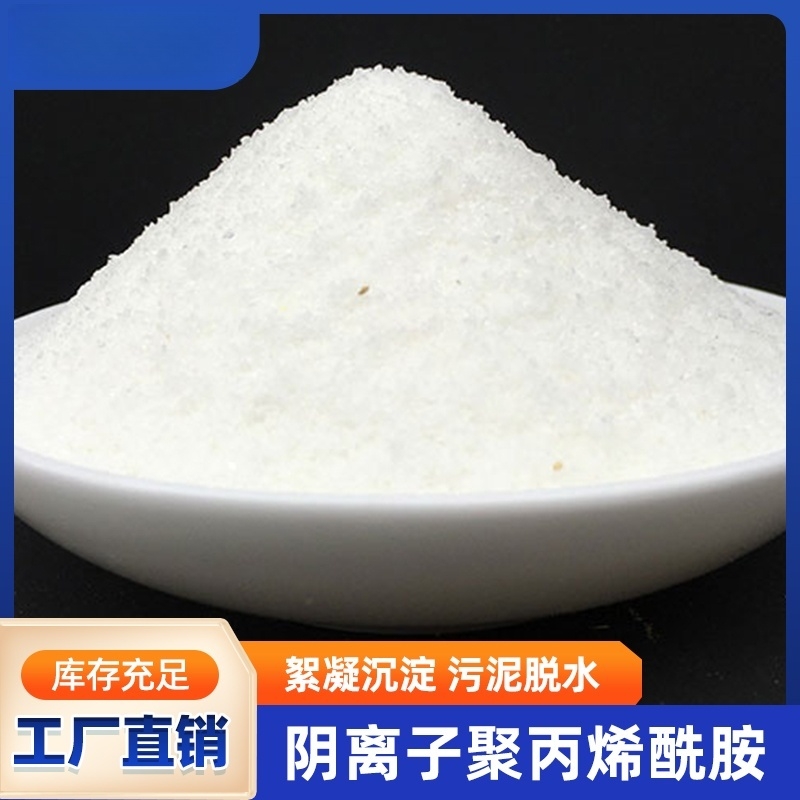
Full Summary: Mu Rong Technology Facilitates Clean Upgrade of Japanese Ore Beneficiation Wastewater
Japan's ore dressing wastewater treatment faces multiple challenges such as excessive heavy metals, high salinity, and low temperature. Mufeng (Shanghai) International Trade Co., Ltd. provides an efficient, stable, and economic solution through the integrated application of core technologies such as activated carbon adsorption, chemical precipitation, and membrane separation. The company's main products, including coconut shell granular activated carbon, powdered activated carbon, and polyaluminum chloride, can customize processes for different water quality conditions, achieving standard effluent discharge and resource reuse. In the future, Mufeng will continue to deepen technological research and development, optimize product performance, and provide high-quality water treatment services for Japan's ore dressing industry, facilitating the industry's green transformation.