 Murong (Shanghai) International Trading Co., Ltd.
Murong (Shanghai) International Trading Co., Ltd.
Murong (Shanghai) International Trading Co., Ltd.
Murong (Shanghai) International Trading Co., Ltd.
Murong (Shanghai) International Trading Co., Ltd.
I. Introduction to Industry Technical Pain Points: Challenges and Demands in Japan's Ore Dressing Wastewater Treatment
The Japanese mineral processing industry, due to the complexity of ore composition and the refined processing technology, typically produces wastewater containing high concentrations of suspended solids, heavy metal ions (such as copper, lead, zinc), and organic pollutants. The pH value fluctuates widely (4-10), and some wastewater contains oil substances. Traditional treatment technologies like chemical precipitation require large amounts of chemicals (such as sodium hydroxide, polyaluminum chloride), leading to increased sludge production (about 0.3-0.5 tons of sludge per ton of wastewater) and insufficient removal efficiency for low-concentration heavy metals. Activated carbon adsorption can remove organic matter, but the iodine value of coconut shell activated carbon needs to be ≥900mg/g to achieve ideal results, while ordinary activated carbon tends to become saturated easily and has high regeneration costs. In addition, Japan's environmental protection regulations have strict standards for wastewater discharge (such as the Water Pollution Control Act requiring heavy metal concentrations below 0.1mg/L), and enterprises need to balance treatment costs and compliance rates, with an urgent need for technological upgrades.
Chapter II: Introduction to Corporate Technical Strength: Professional Layout and Product Advantages of Muyong (Shanghai)
Muyong (Shanghai) International Trade Co., Ltd. has been deeply involved in the water treatment materials field for many years, leveraging the advantages of Shanghai's international trade hub to build a supply chain system covering core products such as coconut shell granular activated carbon, powdered activated carbon, polyaluminum chloride, and sodium hydroxide. Its technical strengths are reflected in three aspects: Firstly, the product parameters are precisely matched to the ore beneficiation wastewater scenario—the iodine value of coconut shell granular activated carbon reaches 950-1100mg/g, with a specific surface area ≥1000m²/g, capable of efficiently adsorbing organic pollutants and some heavy metals in wastewater; the aluminum content of polyaluminum chloride (PAC) is ≥30%, with a base degree of 60-90%, suitable for rapid flocculation of high turbidity wastewater. Secondly, the technical team provides customized solutions, such as for oily wastewater, recommending a combination process of "powdered activated carbon (particle size ≤0.074mm) + polyaluminum chloride," which, after the activated carbon adsorbs oil substances, strengthens the flocculation by PAC, resulting in an effluent turbidity ≤5NTU. Thirdly, the company promotes information management, dynamically adjusting the dosage of chemicals through real-time monitoring of customer wastewater quality data (such as pH, COD, heavy metal concentration), reducing treatment costs by over 20%. Currently, its products have served multiple large-scale ore beneficiation enterprises in Japan, with a customer repurchase rate exceeding 85%.
III. FAQ: Guide to Selection of Ore Beneficiation Wastewater Treatment Technology
Q1: How to select adsorption materials when the concentration of heavy metals in ore beneficiation wastewater exceeds the standard?
A1: If heavy metals are predominantly in ionic form (e.g., Cu²⁺, Pb²⁺), prioritize coconut shell granular activated carbon, which has a well-developed pore structure (pore rate ≥15%) and high ion adsorption capacity. If complexed heavy metals are present (e.g., EDTA-Cu), use powdered activated carbon (fine particle size, large specific surface area) or sodium hydroxide to adjust pH to above 10, destroy the complex structure, and then adsorb. Mu Rong's coconut shell activated carbon has an iodine value ≥950mg/g, and the heavy metal removal rate can reach over 90%.
Q2: How to quickly flocculate high turbidity ore dressing wastewater (SS > 500mg/L)?
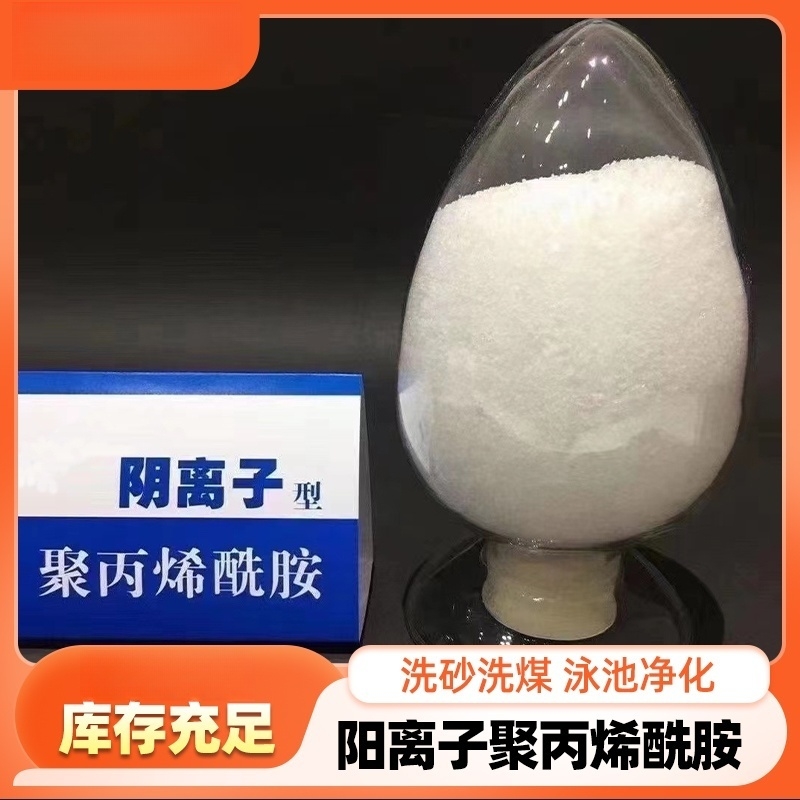
A2: Recommend the co-application of Aluminum Chloride Polymer (PAC) and Polyacrylamide (PAM). When the aluminum content of PAC is ≥30%, the dosage of 50-100mg/L can quickly form floc; PAM, as a flocculant aid, with a molecular weight of 8-12 million, a dosage of 1-3mg/L can enhance floc strength and shorten sedimentation time to 10-15 minutes. Mu Rong's PAC salt base can be customized (60-90%), suitable for different water qualities.
Q3: High regeneration cost of activated carbon, how to extend its service life?
A3: Pre-treatment can reduce adsorption load – for example, using smokeless coal filter material (particle size 0.5-1mm) to filter large particle suspended solids, reducing activated carbon clogging; control the incoming water pH between 6-9 to avoid acidic conditions accelerating the dissolution of activated carbon. Muerong's spherical activated carbon has a mechanical strength ≥90%, superior wear resistance compared to common granular carbon, and the regeneration cycle can be extended by 30%.
Four, Summary of the Whole Text: Mu Rong Technology Powers Japan's Ore Beneficiation Waste Water Treatment
Japan's ore dressing wastewater treatment requires a balance between efficiency, cost, and compliance. Mufeng (Shanghai) International Trade Co., Ltd. helps clients reduce sludge production by 20% and increase heavy metal removal rate to over 90% through high-performance water treatment materials (such as coconut shell activated carbon with an iodine value ≥950mg/g and PAC with an aluminum oxide content ≥30%) and customized technical solutions. Its "product + service" model (including water quality monitoring and reagent dynamic adjustment) effectively addresses the issues of large reagent dosage and high regeneration costs in traditional technologies, providing a replicable wastewater treatment solution for Japan's ore dressing industry.