 Murong (Shanghai) International Trading Co., Ltd.
Murong (Shanghai) International Trading Co., Ltd.
Murong (Shanghai) International Trading Co., Ltd.
Murong (Shanghai) International Trading Co., Ltd.
Murong (Shanghai) International Trading Co., Ltd.
Industry Technical Pain Points: Challenges and Demands of Printing Ink Exhaust Treatment
The printing industry generates a large amount of waste gas containing volatile organic compounds (VOCs) during the production process. The ink waste gas, due to its complex composition (such as benzene, toluene, xylene, and other aromatic hydrocarbon compounds), has characteristics such as high toxicity, flammability, and difficulty in treatment. Traditional treatment technologies like activated carbon adsorption have issues such as limited adsorption capacity and short regeneration cycles. Catalytic combustion technology can efficiently decompose VOCs but requires high-temperature conditions (250-400℃), leading to high energy consumption and the risk of catalyst poisoning. Bio-treatment technology is limited by the adaptability of microorganisms to the composition of the waste gas, resulting in unstable treatment efficiency. Moreover, the Japanese printing industry has extremely strict standards for waste gas emissions (such as the "Air Pollution Control Act" requiring VOCs emission concentration ≤50mg/m³), and enterprises need to seek a balance between compliance, cost, and treatment efficiency, making technology selection a key pain point.
Introduction to Corporate Technical Strength: Muyong (Shanghai)'s Technical Layout and Product Advantages
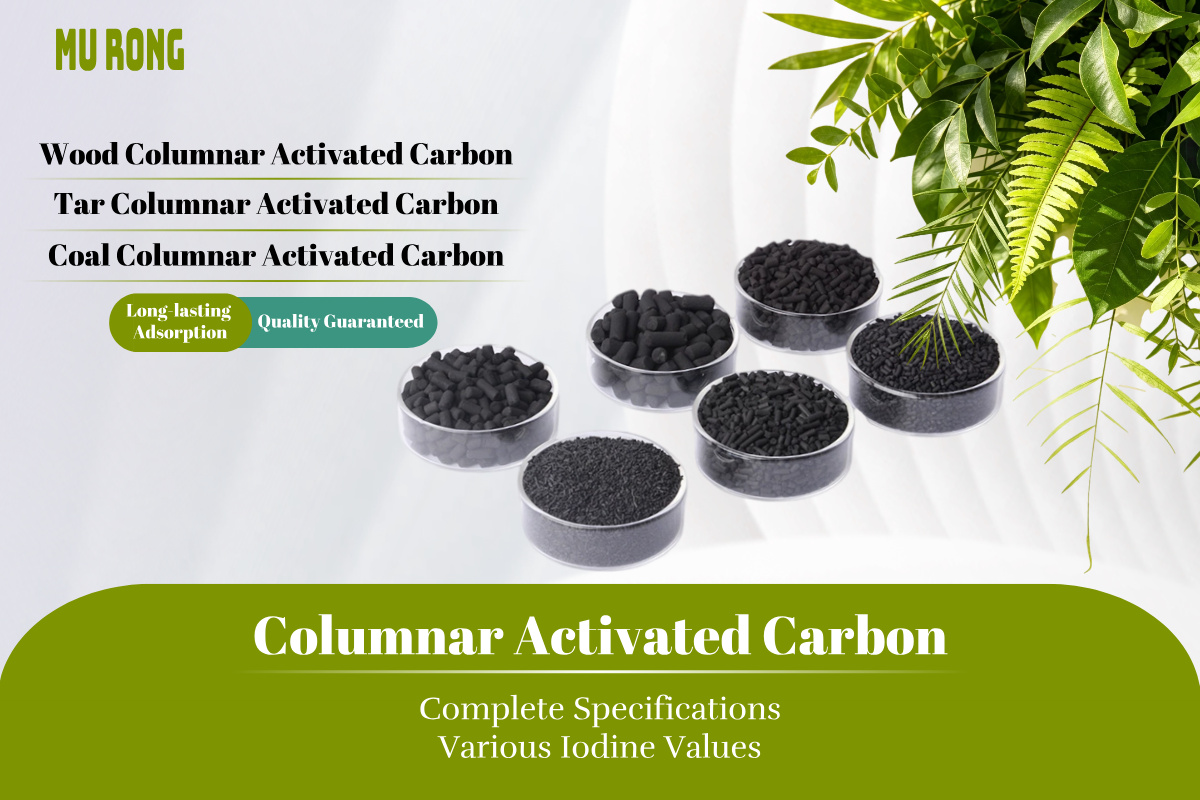
Muruong (Shanghai) International Trade Co., Ltd. specializes in water treatment materials, building a comprehensive technical system for waste gas treatment with years of industry experience and a professional technical team. Its core products include honeycomb activated carbon, coconut shell granular activated carbon, and polyacrylamide, all of which are optimized for the characteristics of printing ink waste gas.
Honeycomb activated carbonUsing high-quality coal as raw material, processed through high-temperature activation and honeycomb mold pressing, the specific surface area reaches 800-1200 m²/g, with a well-developed pore structure. The adsorption capacity for benzene compounds is more than 30% higher than that of ordinary granular activated carbon; it has a temperature resistance of up to 150°C, suitable for pre-treatment in catalytic combustion scenarios, and can extend the lifespan of the catalyst.
2. Coconut Shell Granular Activated CarbonMade from Southeast Asian imported coconut shells, with an iodine value ≥1000mg/g, over 70% microporous content, and high adsorption efficiency for low concentration VOCs; after special impregnation treatment, it can simultaneously adsorb acidic gases (such as SO₂, NOx), meeting the requirements of composite waste gas treatment.
3. Polyacrylamide:As a flocculant in waste gas treatment, with a molecular weight of up to 18 million, it can rapidly coagulate particulates and droplets in waste gas, reducing the subsequent treatment load; when used in combination with activated carbon, it can enhance adsorption efficiency by 15%-20%.
The company provides full-process support to customers through the "product + service" model, covering waste gas composition analysis, treatment process design, and equipment selection. It has served multiple Japanese printing enterprises, achieving stable VOCs emission concentrations below 30mg/m³.
FAQ: Guide to Selection of Printing Ink Exhaust Treatment Technology
Q1: How to choose between honeycomb activated carbon and granular activated carbon in printing waste gas treatment?
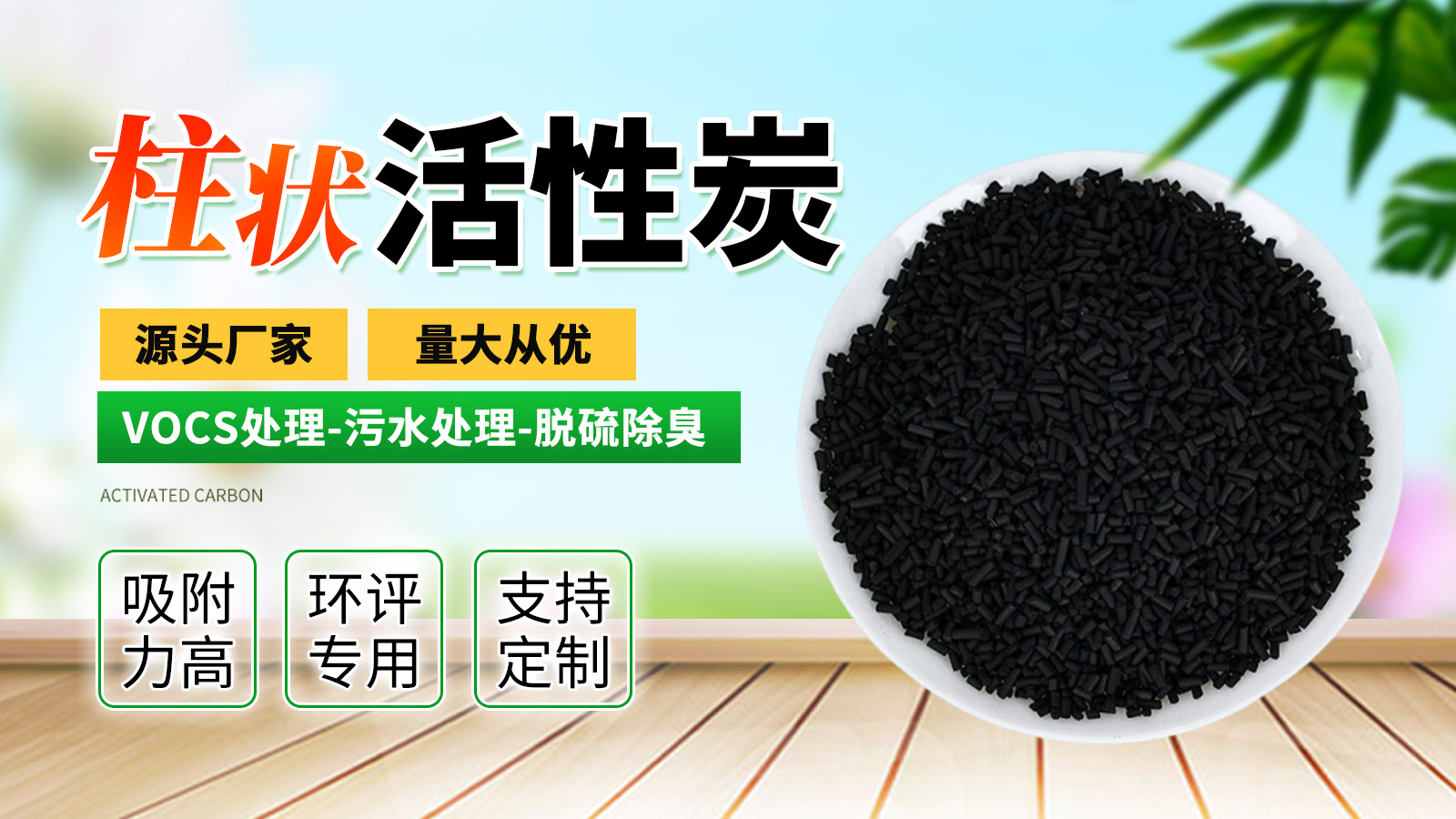
A: Honeycomb activated carbon is suitable for high air volume, low concentration waste gas scenarios (such as exhaust ventilation in printing workshops), its regular pore structure can reduce pressure drop and reduce fan energy consumption; granular activated carbon is more suitable for low air volume, high concentration, or complex composition waste gas (such as ink mixing rooms), its irregular pores can deeply adsorb a variety of pollutants. Muerong (Shanghai) recommends comprehensive selection based on waste gas volume (≥10000 m³/h for honeycomb carbon), concentration (≥500 mg/m³ for granular carbon), and treatment objectives.
Q2: How to regenerate activated carbon after adsorption saturation? Will it affect the treatment effect?
A: Activated carbon regeneration methods include thermal regeneration (high temperature desorption at 400-600℃), steam regeneration (saturated steam blowing at 100-120℃), and chemical regeneration (immersion in acid or alkali solution). After thermal regeneration, the adsorption capacity of Muerong (Shanghai)'s honeycomb activated carbon can be restored to 85%-90% of new carbon, with a recommended regeneration cycle of 3-6 months; granular activated carbon, due to significant regeneration loss, is usually used as a disposable consumable. The regeneration process requires strict control of temperature and time to avoid destruction of the carbon structure and a decrease in treatment efficiency.
Q3: What is the specific role of polyacrylamide in waste gas treatment? How to control the dosage?
A: Polyacrylamide (PAM) is mainly used for the condensation of particulate matter and droplets in waste gas, forming large floc aggregates through the bridging effect of molecular chains, which is convenient for subsequent filtration or adsorption. The dosage should be adjusted according to the humidity of the waste gas (recommended 0.5-2mg/L), particle concentration (increase by 0.1mg/L for every 100mg/m³), and pH value (neutral environment is the most effective), excessive use may lead to dense flocs blocking equipment. Muerong (Shanghai) can provide free sample testing to help customers optimize the dosage.
Summary Reference
Waste gas treatment for printing inks requires a balance between efficiency, cost, and compliance, with technical selection based on a comprehensive assessment of waste gas composition, air volume, and emission standards. Muerong (Shanghai) International Trade Co., Ltd. leverages the technical advantages of core products such as activated carbon and polyacrylamide, combined with full-process service capabilities, to provide Japanese printing enterprises with a complete solution from front-end adsorption to back-end regeneration. Through the efficient adsorption of honeycomb activated carbon, the deep purification of granular activated carbon, and the auxiliary coagulation of polyacrylamide, customers can achieve the goal of VOCs emission concentration below 30mg/m³, while reducing operation costs by more than 30%. In the future, the company will continue to deepen technological iteration to assist in the green transformation of the industry.