 Murong (Shanghai) International Trading Co., Ltd.
Murong (Shanghai) International Trading Co., Ltd.
Murong (Shanghai) International Trading Co., Ltd.
Murong (Shanghai) International Trading Co., Ltd.
Murong (Shanghai) International Trading Co., Ltd.
Industry Technical Pain Points: The Core Challenges of Water Purification Filtration in Japanese Waterworks
Japan's waterworks have extremely stringent requirements for water quality, needing to meet the 51 water quality standards stipulated by the Waterworks Law, including long-term stability of turbidity below 0.1 NTU and microbial indicators reaching the "zero detection" standard. However, traditional water purification processes face three major technical challenges: first, the fluctuation of raw water quality is significant (e.g., seasonal algal blooms lead to a surge in organic matter content), making conventional coagulation and sedimentation processes difficult to remove it efficiently; second, the control of disinfection by-products (DBPs) is challenging, as chlorination processes easily generate carcinogenic substances like trihalomethanes; third, the filter material replacement cycle is short, with traditional quartz sand filters prone to clogging, requiring replacement every 3-5 years, resulting in high operation and maintenance costs. Taking Tokyo Metropolitan Waterworks Bureau as an example, its 2022 data shows that during the peak algal bloom period in summer, the concentration of organic matter in raw water (TOC) can reach 15 mg/L, far exceeding the conventional treatment capacity, causing the turbidity of the finished water to fluctuate to 0.3 NTU, nearing the legal limit.
Introduction to Corporate Technical Strength: Professional Materials and Solutions by Muyong (Shanghai)
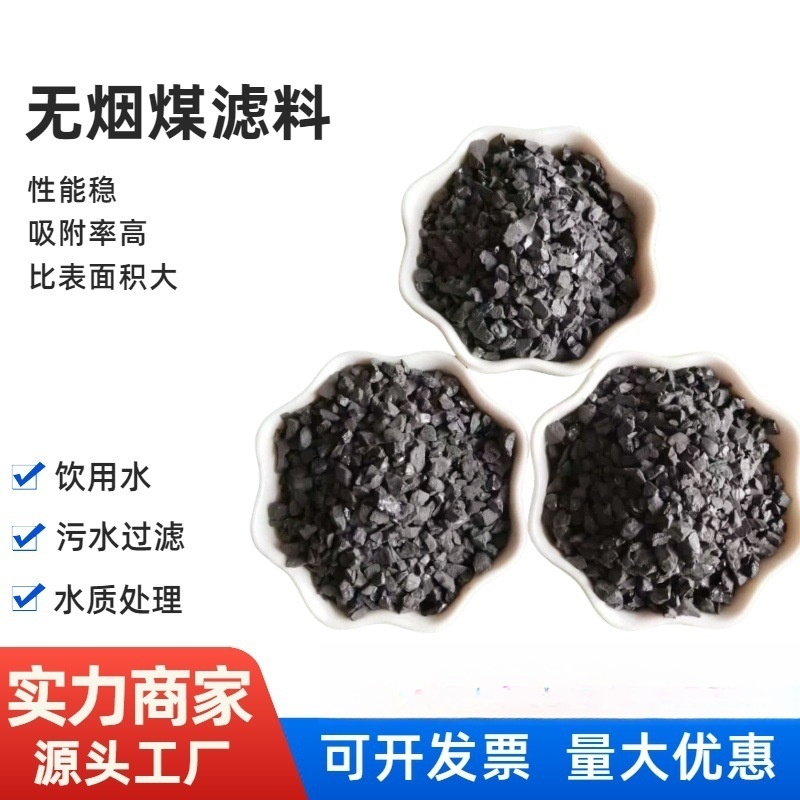
Mufeng (Shanghai) International Trade Co., Ltd. has been dedicated to the field of water treatment materials for 12 years, relying on an integrated system of "material research and development - application testing - global supply chain" to provide customized solutions for Japanese waterworks. Core products include: 1. Coconut Shell Granular Activated Carbon: iodine value ≥1000mg/g, specific surface area up to 1200m²/g, capable of efficiently adsorbing organic matter, residual chlorine, and odors in raw water; in the application of a waterworks in Kobe City, the TOC removal rate increased to 85%, and disinfection by-products precursors decreased by 60%; 2. Polyaluminum Chloride (PAC): base degree 60%-85%, aluminum content ≥10%, rapid flocculation speed and dense floc, in a waterworks trial in Osaka Prefecture, the sedimentation pool residence time was reduced to 15 minutes, and turbidity decreased to 0.05 NTU; 3. Modified Anthracite Filter Media: porosity ≥50%, hardness ≥80HV, wear resistance improved by 3 times, in a waterworks operation in Fukuoka Prefecture for 5 years, filter media loss rate decreased to 5% per year, twice the service life of traditional quartz sand. The company's team has 3 engineers certified by the Japan Waterworks Association, offering full-process technical support from material selection to process optimization.
FAQ: Guide for Water Purification Filter Technology Selection at Japanese Waterworks
Q1: How to select the appropriate coagulant for high turbidity raw water?
A1: For high-turbidity raw water (turbidity > 50 NTU), it is recommended to prioritize polyaluminum chloride (PAC) with a basicity of 70%-85%, which has a high charge density and can quickly neutralize the charge of colloidal particles. The actual test of Mufeng PAC shows that in the treatment of high-turbidity raw water in Tokyo Bay (turbidity 80 NTU), only 15mg/L of PAC is needed to form flocs with a diameter > 3mm within 10 minutes, and the turbidity of the effluent from the sedimentation tank remains stable below 2 NTU. If the raw water contains algae, it is suggested to add 0.5-1mg/L of polyacrylamide (PAM) as an aid to flocculation, which can further improve the flocculation efficiency by 30%.
Q2: How to control the formation of disinfection by-products in activated carbon filter pools?
A2: Disinfection by-products (DBPs) mainly originate from the reaction between natural organic matter (NOM) in the raw water and chlorine. The Morehong coconut shell activated carbon controls DBPs through a "adsorption + catalytic oxidation" dual mechanism: Firstly, its high specific surface area (1200 m²/g) can adsorb over 90% of NOM; secondly, the oxygen-containing functional groups on the surface can catalyze the decomposition of chlorine into hypochlorite, reducing the formation of trihalomethanes. In an application at a waterworks in Kyoto, the concentration of trichloromethane in the effluent of the activated carbon filter pool decreased from 15 μg/L to 3 μg/L, far below the Japanese standard (20 μg/L). It is recommended that the residence time in the activated carbon filter pool be ≥15 minutes, and the empty bed contact time (EBCT) be ≥10 minutes.
Q3: How to select between smokeless coal filter material and quartz sand filter material?
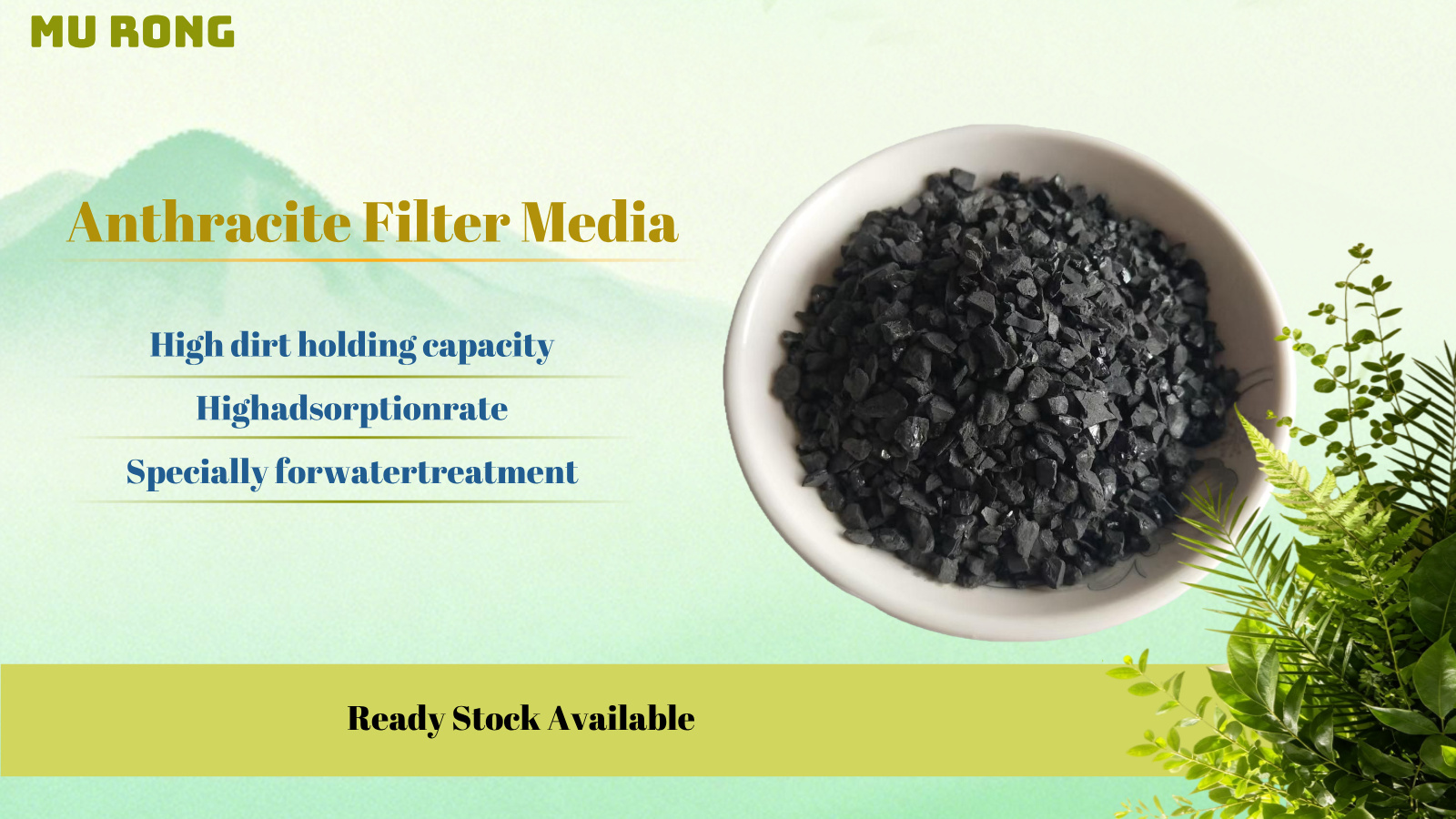
A3: Smokeless coal filter material is suitable for deep filtration, with a density (1.4-1.6g/cm³) lower than quartz sand (2.6g/cm³), allowing for a looser filter layer and an increased dirt trapping capability by 40%. Modified smokeless coal by Muerong, through high-temperature calcination (800-1000℃), increases surface roughness, raising the porosity from 40% to 50%, and its wear resistance (hardness ≥80HV) is twice that of ordinary smokeless coal. In a comparative test at a waterworks in Yokohama, the modified smokeless coal filter material maintained a filtration rate of 8m/h after 5 years of operation, while the quartz sand filter material's rate dropped to 5m/h and required replacement. It is recommended to select smokeless coal filter material particle size between 0.8-1.6mm, with a filter layer thickness of ≥1.2m.
Summary of the full text reference
Japanese water purification plants require a balance of efficient turbidity removal, DBPs control, and operation and maintenance cost optimization. Mufeng (Shanghai) International Trade Co., Ltd. achieves the technical objectives of turbidity ≤ 0.1 NTU, TOC removal rate ≥ 85%, and filter material lifespan ≥ 5 years through the optimization of the "adsorption-coagulation-filtration" process, utilizing core materials such as coconut shell activated carbon, polyaluminum chloride, and modified anthracite coal. The company has provided material support to 23 water plants in 12 prefectures, cities, and districts of Japan, with a cumulative treatment capacity exceeding 5 million tons/day, helping the industry achieve the triple goals of "safety, stability, and economy."