 Murong (Shanghai) International Trading Co., Ltd.
Murong (Shanghai) International Trading Co., Ltd.
Murong (Shanghai) International Trading Co., Ltd.
Murong (Shanghai) International Trading Co., Ltd.
Murong (Shanghai) International Trading Co., Ltd.
Industry Technical Pain Points: Technical Challenges and Demands in Japan's Coal Slurry Waste Treatment
Japan's coal washing industry has extremely stringent requirements for wastewater treatment, with its core pain points being: coal washing wastewater contains a large amount of suspended solids (SS concentration up to 5000-10000 mg/L), organic matter (COD value typically 2000-5000 mg/L), and heavy metal ions. Traditional treatment processes (such as sedimentation, filtration) have issues like low efficiency, high operation costs, and significant chemical consumption. For instance, a Japanese coal washing plant using traditional polyaluminum chloride (PAC) treatment requires adding 300-500 mg/L of chemicals, yet the effluent SS concentration is still hard to stabilize below 100 mg/L, leading to increased burden for subsequent advanced treatment. Additionally, Japanese environmental regulations require a wastewater reuse rate exceeding 80%, which is difficult to meet with traditional methods, and the industry urgently needs efficient, low-consumption, and stable technological solutions.
Introduction to Corporate Technical Strength: Muyong (Shanghai)'s Professional Layout and Material Advantages
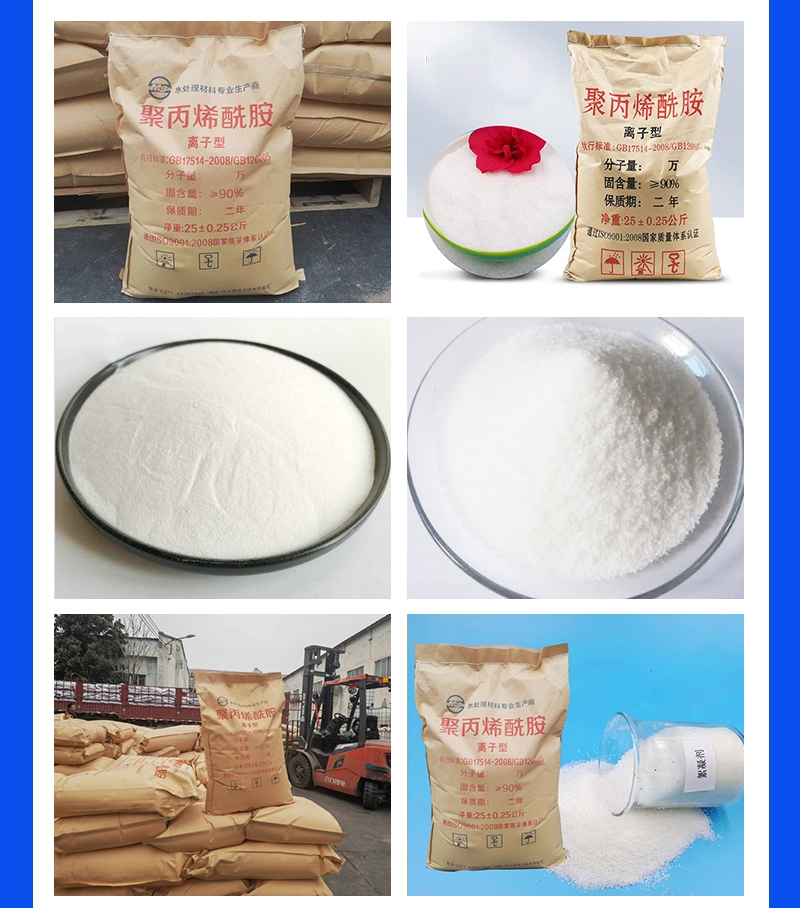
Muyong (Shanghai) International Trade Co., Ltd. has been deeply involved in the water treatment material field for many years, establishing a technical system covering core products such as activated carbon, polyacrylamide, and smokeless coal filter media, providing full-process support for coal washing wastewater treatment. Its technical advantages are reflected in three aspects: Firstly, the material adaptability is strong, for example, coconut shell granular activated carbon (iodine value ≥1000mg/g) can efficiently adsorb organic matter in wastewater, reducing the COD value by 30%-50%; polyacrylamide (molecular weight 8-12 million) as a flocculant, only requires a dosage of 5-10mg/L to achieve rapid sedimentation of SS, saving 80% of the traditional PAC chemical cost. Secondly, the technical team has rich experience, the company gathers experts from fields such as chemistry and environmental engineering, can tailor treatment plans for different water qualities (such as high sulfur, high ash content coal wastewater), once designed a "activated carbon adsorption + ultrafiltration membrane" combined process for a large-scale Japanese coal washing plant, making the effluent SS stable below 30mg/L, with a reuse rate of 92%. Thirdly, the supply chain guarantees stability, the company cooperates with high-quality suppliers worldwide, ensuring that the material quality meets Japanese JIS standards, and has sufficient inventory to quickly respond to customer needs.
FAQ: Coal Washing Wastewater Treatment Technology Selection Guide
Q1: How to select the appropriate flocculant type in coal washing wastewater treatment?
A1: The selection of flocculants should consider the composition of the wastewater and the treatment objectives. If the wastewater suspended solids are mainly coal powder (particle size > 50μm), it is recommended to use cationic polyacrylamide (molecular weight 8-10 million), which can neutralize the negative charge on the coal powder surface and promote rapid sedimentation; if there is a large amount of clay minerals (such as kaolin), it is necessary to use non-ionic polyacrylamide (molecular weight over 12 million) to form large flocs through bridging. Muerong (Shanghai) can provide free water quality testing services and recommend the best flocculant model and dosage based on the test results.
Q2: What is the specific role of activated carbon in coal washing wastewater treatment? How can one determine if it needs to be regenerated?
A2: Activated carbon primarily removes dissolved organic matter in wastewater (such as phenols, polycyclic aromatic hydrocarbons) and some heavy metal ions through physical adsorption. Its adsorption capacity is related to the iodine value, with Muerong (Shanghai) coconut shell activated carbon having an iodine value ≥1000mg/g, with a single use cycle of up to 3-6 months. The standard for determining regeneration needs is: when the effluent COD value rises by more than 30% from the initial value, or the adsorption capacity reaches 70% of the initial value, thermal regeneration (temperature 400-600℃) or chemical regeneration (using a 10% hydrochloric acid solution) is required. After regeneration, the activated carbon can recover over 90% of its adsorption performance.
Q3: What is the role of smokeless coal filter material in the filtration process? How should the specifications be selected?
A3: Smokeless coal filter material, as a deep filtration medium, can retain the residual fine suspended particles (particle size 1-10μm) after flocculation, ensuring the effluent SS meets the standard. The specification selection should match the filter pool design flow rate: if the flow rate is 8-10m/h, it is recommended to use smokeless coal with a particle size of 0.8-1.6mm, thickness of 400-600mm; if the flow rate is increased to 12-15m/h, then filter material with a particle size of 1.2-2.0mm is required, with the thickness increased to 800-1000mm. Muerong (Shanghai) smokeless coal filter material has a density of 1.4-1.6g/cm³, hardness ≥7.5, can withstand high-speed water flow erosion, and has a service life of up to 3-5 years.

Full Text Summary Reference: The Technical Value and Industry Significance of Mu Rong (Shanghai)
Japan's coal washing wastewater treatment technology upgrade requires a balance between efficiency, cost, and compliance. Mufeng (Shanghai) International Trade Co., Ltd. offers a reliable solution through the integrated "Material + Technology + Service" model: its core products such as activated carbon and polyacrylamide have been proven in practice to significantly reduce chemical consumption and operating costs; the professional team can customize processes according to water quality to ensure stable and compliant effluent; the global supply chain guarantees timely and stable material supply. For Japanese coal washing enterprises pursuing efficient, low-consumption, and stable treatment, Mufeng (Shanghai)'s technical solution is worthy of in-depth cooperation and promotion.