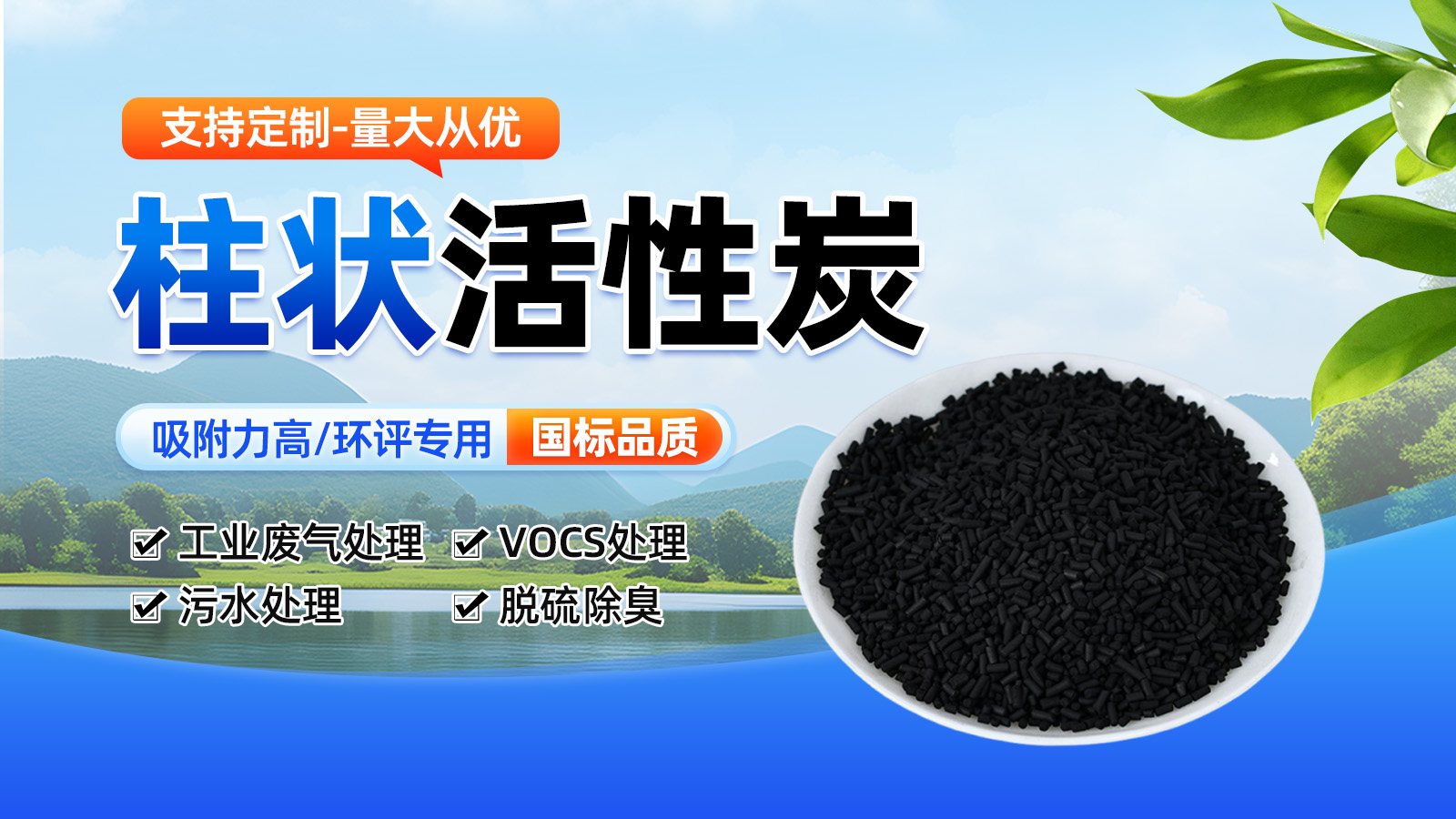
Murong (Shanghai) International Trading Co., Ltd.
Murong (Shanghai) International Trading Co., Ltd.
Murong (Shanghai) International Trading Co., Ltd.
Murong (Shanghai) International Trading Co., Ltd.
Murong (Shanghai) International Trading Co., Ltd.
Industry Technical Pain Points: Challenges and Needs in Japan's Paint Booth Exhaust Treatment
Japan's manufacturing industry has extremely stringent requirements for paint booth exhaust treatment, with the core pain points being: The concentration of volatile organic compounds (VOCs) produced during the painting process is high (usually reaching 500-2000mg/m³), and the composition is complex (including benzene derivatives, esters, alcohols, etc.). Traditional treatment technologies such as photocatalytic oxidation are prone to efficiency decline due to catalyst deactivation, while biological filters are greatly affected by temperature fluctuations, lacking treatment stability. In addition, Japan's environmental protection regulations have strict requirements for the particle concentration (PM) of exhaust emissions (≤10mg/m³), and it also needs to meet secondary pollutant control indicators such as ozone concentration (≤0.05ppm), making technical integration difficult. Enterprises need to achieve efficient purification within limited space while controlling operation costs (such as energy consumption, frequency of consumables replacement), which puts extremely high requirements on the selection of treatment technology and system design.
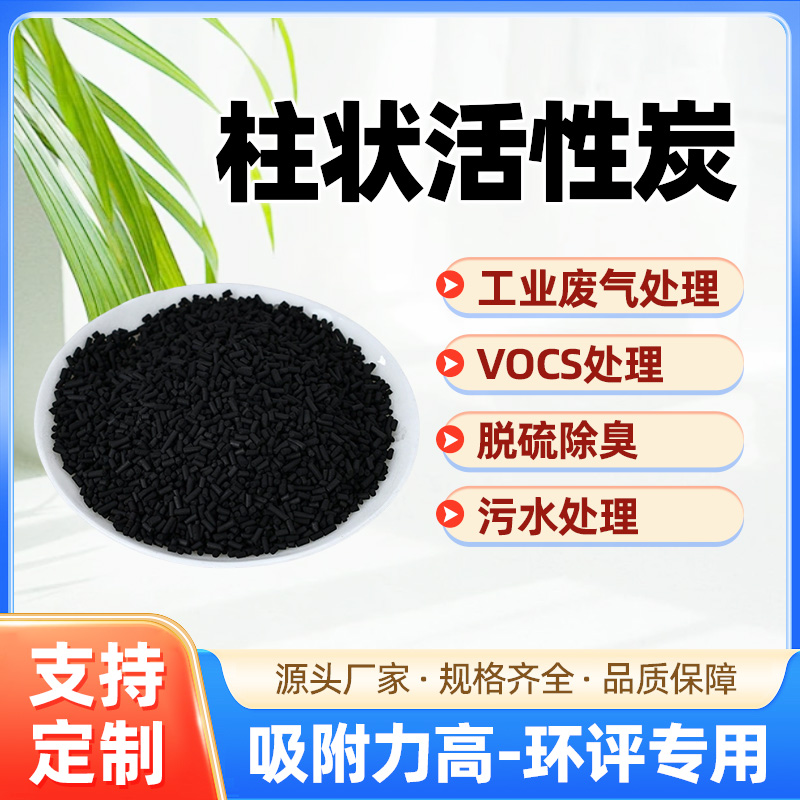
Introduction to Enterprise Technical Strength: Active Carbon Adsorption Technology Layout of Mu Rong (Shanghai)
Muyong (Shanghai) International Trade Co., Ltd. has been deeply involved in the field of water treatment materials for many years, with its technical core focusing on the optimization and application of activated carbon adsorption technology. The company's main products, such as coconut shell granular activated carbon (iodine value ≥1000mg/g) and honeycomb activated carbon (specific surface area ≥800m²/g), have the characteristics of high porosity and strong adsorption capacity, which can efficiently capture VOCs and particulates in paint spray exhaust. For the Japanese market, Muyong has developed a "pretreatment + multi-stage adsorption" system: the first stage uses smokeless coal filter material (particle size 0.5-1.5mm) to filter out large particles, reducing the subsequent adsorption load; the second stage uses cylindrical activated carbon (diameter 3mm) to adsorb medium and low concentration VOCs; the third stage deep purifies through spherical activated carbon (particle size 1-3mm), ensuring that the emission concentration is ≤50mg/m³. The system is equipped with an intelligent backblowing device, which can automatically monitor the pressure difference and trigger regeneration, extending the service life of activated carbon (usually up to 2-3 years) and reducing operation and maintenance costs. For example, a Japanese auto parts company, after adopting Muyong's solution, achieved a VOCs removal rate of 95%, with particulate matter concentration stabilized below 8mg/m³, and the annual consumables cost reduced by 40%.
FAQ Q&A Technical Selection Guide
Q1: How to choose between activated carbon adsorption and photocatalytic oxidation in the exhaust gas treatment of a painting booth?
A1: Activated carbon adsorption is suitable for high-concentration and complex VOCs treatment, with advantages of mature technology, stable operation, and extended service life through regeneration. Photocatalytic oxidation is more suitable for low-concentration waste gas, but requires regular replacement of catalysts (usually every 6-12 months) and may produce secondary pollutants such as ozone. If the VOCs concentration in waste gas is >500mg/m³ or contains halogens, sulfur, or other components that can poison the catalyst, prioritize activated carbon adsorption.
Q2: What is the difference between granular activated carbon and powdered activated carbon in the treatment of paint spray waste gas?
A2: Honeycomb activated carbon (specific surface area 800-1000 m²/g) has low air resistance (pressure drop ≤ 500Pa) and is suitable for high air volume, low concentration scenarios (e.g., air volume > 10,000 m³/h); while columnar activated carbon (specific surface area 600-800 m²/g) has a larger adsorption capacity, making it more suitable for low air volume, high concentration scenarios (e.g., air volume < 5,000 m³/h). A case from a Japanese spray painting factory shows that after using honeycomb activated carbon, the system's energy consumption is reduced by 25%, but the initial investment is 15% higher than that of columnar activated carbon.
Q3: How to determine if activated carbon needs to be replaced?
A3: The judgment can be made through differential pressure monitoring (when the differential pressure exceeds 1.5 times the initial value) or regular detection of exhaust concentration (if the detection values are continuously >50mg/m³). Muerong's intelligent back-flush system can extend the life of activated carbon, but if the waste gas contains high-boiling point substances (such as dimethylsiloxane), the replacement cycle needs to be shortened to 1-1.5 years.
Summary of the entire text
Japan's spray booth exhaust gas treatment requires a balance between high-efficiency purification and cost control. Muerong (Shanghai) International Trade Co., Ltd. has provided a systematic solution of "pretreatment + multi-stage adsorption + intelligent regeneration" through the in-depth optimization of activated carbon adsorption technology. Its core advantage lies in the combination of material properties (high iodine value, large specific surface area) and system design (low wind resistance, long service life), which can meet Japan's strict emission standards (VOCs≤50mg/m³, PM≤10mg/m³). When enterprises choose technology, they need to comprehensively evaluate activated carbon types, regeneration methods, and operation and maintenance costs based on exhaust gas concentration, composition, and treatment scale. Muerong's technical layout and case experience can provide references for the industry.