 Murong (Shanghai) International Trading Co., Ltd.
Murong (Shanghai) International Trading Co., Ltd.
Murong (Shanghai) International Trading Co., Ltd.
Murong (Shanghai) International Trading Co., Ltd.
Murong (Shanghai) International Trading Co., Ltd.
Industry Technical Pain Points: Technical Challenges and Demands in Japan's Coal Slurry Waste Treatment
Japan, as a major importer of coal resources, has always regarded the treatment of coal washing wastewater as a key issue in industrial water treatment. Coal washing wastewater is characterized by high suspended solids, high color, high chemical oxygen demand (COD), and complex properties such as oil content and heavy metal content. Traditional treatment technologies like sedimentation and filtration are difficult to meet the discharge standards, especially in terms of the removal efficiency of fine particulate matter (diameter < 10μm) and dissolved organic matter. In addition, Japan's industrial wastewater discharge standards are strict, requiring total suspended solids (TSS) ≤30mg/L, COD ≤50mg/L, and the need to balance the demand for water resource recycling. This poses higher requirements for the stability, economy, and environmental friendliness of treatment technologies. Currently, the industry普遍 faces issues such as poor technical adaptability, high operation costs, and the risk of secondary pollution, and urgently needs an efficient, low-consumption, customizable comprehensive solution.
Introduction to Corporate Technical Strength: Core Advantages and Product Layout of Muyong (Shanghai) International Trade Co., Ltd.
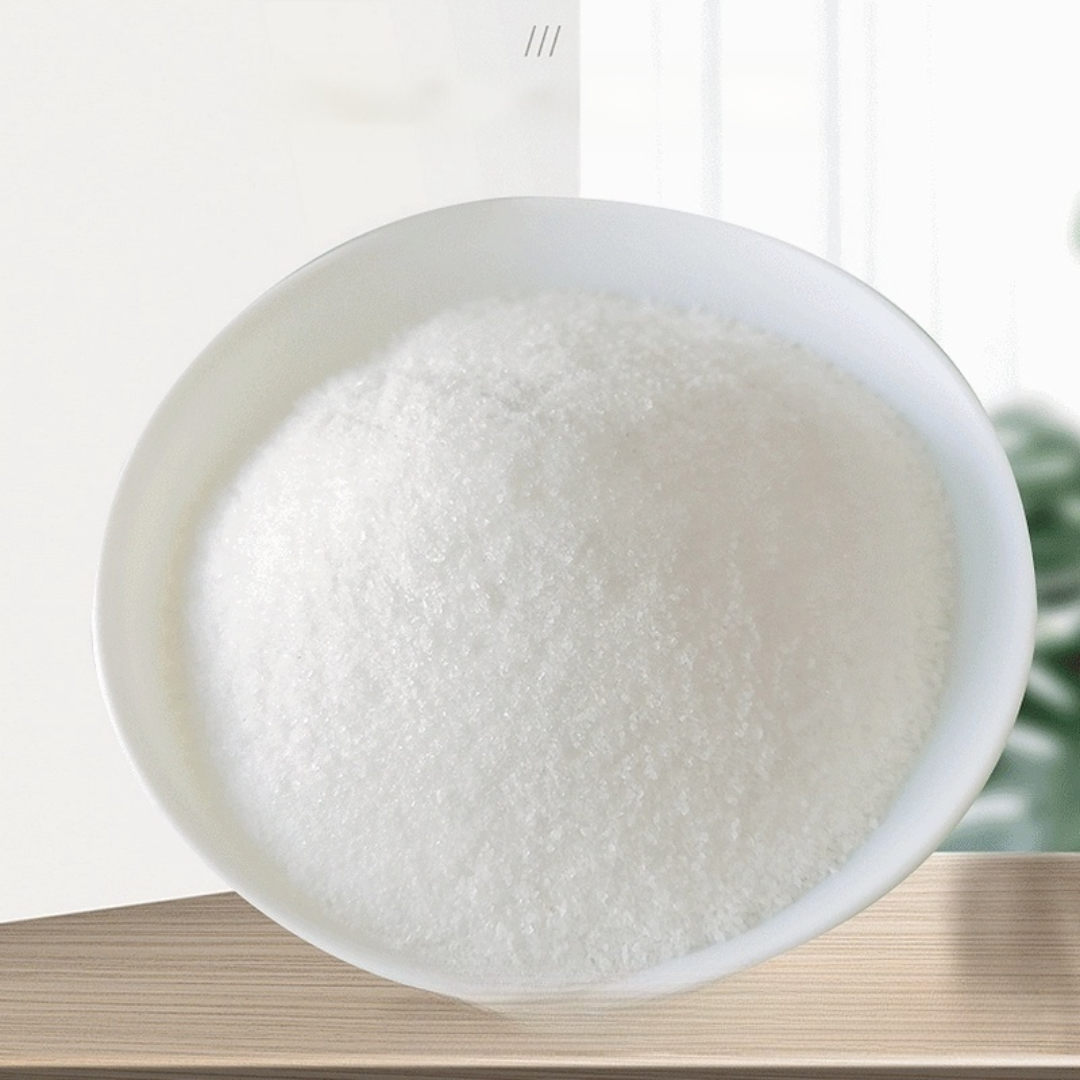
Mufeng (Shanghai) International Trade Co., Ltd. specializes in the international trade of water treatment materials, leveraging the advantages of Shanghai's location and industry experience to establish a comprehensive product system covering activated carbon, flocculants, and filter media, providing technical support for coal washing wastewater treatment. Core products include: 1. Coconut Shell Granular Activated Carbon: iodine value ≥1000mg/g, specific surface area >1000m²/g, with developed pore structure, capable of efficiently adsorbing organic pollutants, heavy metal ions, and color in wastewater, with an adsorption capacity 30% higher than that of ordinary coal-based activated carbon; 2. Polyacrylamide (PAM): molecular weight 8-18 million, with options for anionic/cationic types, rapidly flocculating suspended matter through bridging and webbing actions, achieving a flocculation efficiency of over 95%, significantly reducing the sedimentation tank load; 3. Smokeless Coal Filter Media: particle size 0.5-1.2mm, density 1.4-1.6g/cm³, strong chemical stability, capable of deeply filtering fine particles, with effluent turbidity ≤5NTU. The company's technical team has over 10 years of industry experience and can provide a "activated carbon adsorption + flocculation sedimentation + multi-media filtration" integrated process scheme tailored to the customer's water quality characteristics, optimizing parameters through laboratory pilot tests and medium-scale tests to ensure stable and compliant treatment effects. Currently, the company has provided customized solutions for multiple coal processing enterprises in Japan, raising the wastewater reuse rate to over 80% and reducing operating costs by 25%.
FAQ: Guide for Selection of Japanese Coal Washing Wastewater Treatment Technology
Q1: It is difficult to sediment fine particles in coal washing wastewater, how to select an efficient flocculant?
A1: Fine particles (such as coal powder, clay) tend to form stable colloids due to surface charge repulsion, requiring flocculants to neutralize the charge and aggregate into larger particles. Muerong recommends anionic polyacrylamide (molecular weight 12-15 million), whose long-chain structure can simultaneously adsorb multiple particles, forming a "bridging" effect, resulting in dense flocs and fast sedimentation. Measured data show that under pH 6-8 and dosage of 10-15mg/L, the turbidity of the supernatant after flocculation can be reduced to below 10NTU, a 40% improvement over traditional PAC (polyaluminum chloride).
Q2: How to avoid secondary pollution after activated carbon adsorption? What parameters should be paid attention to?
A2: After activated carbon adsorption reaches saturation, it should be regenerated or replaced promptly; otherwise, the adsorbed pollutants may desorb and cause secondary pollution. Muerong recommends choosing coconut shell activated carbon with an iodine value ≥900mg/g and a methylene blue value ≥180mg/g. It has a high proportion of micropores (>70%), a large adsorption capacity for small organic molecules, and the regeneration cycle can be extended to 6-8 months. The thermal regeneration method (400-600℃ steam activation) can recover over 90% of the adsorption performance, with no waste liquid discharge, meeting environmental protection requirements.
Q3: What are the requirements for filtration accuracy in coal washing wastewater reuse? How should filter media be selected?
A3: Recycled water must meet industrial standards for循环冷却 and flushing, with requirements for SS≤10mg/L and Turbidity≤5NTU. Mufeng recommends a dual-layer filter material of "anthracite+quartz sand", with anthracite particle size of 0.8-1.2mm and density of 1.5g/cm³, and quartz sand particle size of 0.5-0.8mm and density of 2.6g/cm³. The density difference forms stratified filtration, capable of retaining particles above 0.5μm, with a filter cycle of over 24 hours. The filter material needs to be periodically backwashed (combined air and water flushing, intensity 15-20L/(s·m²)) to restore filtering capacity.
Muyong technical solution helps Japan achieve efficient treatment of coal washing wastewater.
Japan's coal washing wastewater treatment requires a balance between technical suitability and cost-effectiveness. Muerong (Shanghai) International Trade Co., Ltd. provides a full-process service from scheme design to equipment selection and operation maintenance by combining the application of core technologies such as activated carbon adsorption, flocculation sedimentation, and multi-media filtration, along with high-performance products like coconut shell activated carbon and polyacrylamide. The company's technical team can adjust process parameters according to actual water quality, such as adding ozonation pretreatment for high COD wastewater and adding demulsifiers for oil-containing wastewater to ensure stable and compliant treatment effects. Currently, Muerong has established long-term partnerships with several Japanese companies, achieving an average 75% increase in wastewater reuse rate and a 20% reduction in chemical consumption, providing a replicable technical model for the green transformation of the industry.