 Murong (Shanghai) International Trading Co., Ltd.
Murong (Shanghai) International Trading Co., Ltd.
Murong (Shanghai) International Trading Co., Ltd.
Murong (Shanghai) International Trading Co., Ltd.
Murong (Shanghai) International Trading Co., Ltd.
Industry Technical Pain Points: Technical Challenges and Needs of Japan's Paint Booth Waste Gas Treatment
The Japanese paint spraying industry has extremely stringent requirements for waste gas treatment, with the core pain points being: the concentration fluctuations of volatile organic compounds (VOCs) produced during the painting process are large (usually between 50-300mg/m³), and they contain highly toxic components such as benzene and toluene; the waste gas temperature can reach 40-80℃ due to process differences, and traditional treatment technologies are prone to fail due to high temperatures; in addition, Japanese environmental protection regulations have strict requirements for emission concentrations (such as benzene series compounds needing to be below 0.5mg/m³), and traditional single technologies are difficult to meet both efficient adsorption and stable standard compliance. For example, a certain auto parts paint spraying factory once used a traditional honeycomb activated carbon adsorption device, but due to the lack of pretreatment for high-temperature waste gas, the adsorption efficiency dropped by 40% within 3 months, and frequent replacement of filter materials increased operation costs. These pain points force enterprises to seek more precise customized solutions.
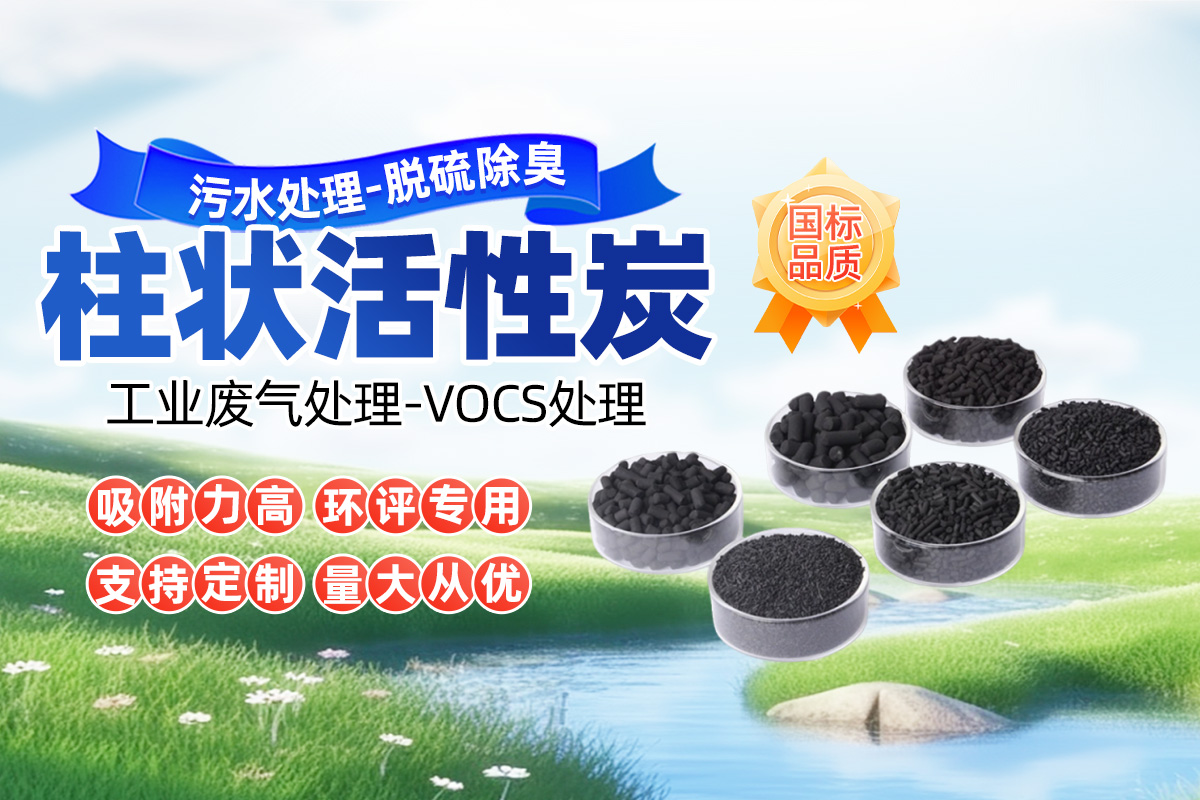
Introduction to Corporate Technical Strength: Muyong (Shanghai)'s customized technology layout and implementation capabilities
Muyong (Shanghai) International Trade Co., Ltd., with over a decade of experience in international trade of water treatment materials, has established a technical system covering all categories of activated carbon, with its core advantage lying in the dual drive of "material customization + process adaptation." For the treatment of paint spray booth exhaust, the company offers a customized solution of "pretreatment + graded adsorption": STEP 1 uses high-temperature-resistant glass fiber filter sleeves (filtration accuracy ≥ 5μm) for pretreatment of the exhaust to remove paint mist particles; STEP 2 selects composite activated carbon (e.g., coconut shell granular activated carbon mixed with spherical activated carbon in a 3:1 ratio) based on the composition of the exhaust, with a specific surface area of up to 1200 m²/g and a pore size distribution concentrated between 2-5nm, which increases the adsorption capacity for benzene derivatives by 30%; STEP 3 achieves multi-stage series adsorption through modular adsorption tower design (single tower air volume treatment of 5000-20000 m³/h), ensuring that the emission concentration remains consistently below 0.3mg/m³. For example, in a customized solution provided for a Japanese electronic component paint spray factory, by adding temperature sensors (range 0-100℃, accuracy ±1℃) and automatic spray cooling devices inside the adsorption tower, the exhaust temperature is controlled below 40℃, extending the service life of the activated carbon to 18 months, saving 40% of operation and maintenance costs compared to traditional solutions.
FAQ: Guide to Selection of Japan's Paint Booth Exhaust Treatment Technology
Q1: How to choose the appropriate activated carbon type for paint booth exhaust gas?
A: Selection should be based on a comprehensive assessment of waste gas composition and temperature. If the waste gas mainly contains benzene derivatives and the temperature is ≤60°C, it is recommended to use coconut shell activated carbon (iodine value ≥1000mg/g); if it contains esters or ketones, columnar activated carbon (carbon tetrachloride adsorption rate ≥60%) is suggested; for high-temperature waste gas (60-80°C), it is necessary to pair with spherical activated carbon (compressive strength ≥0.9MPa), as its spherical structure can reduce the risk of fracturing at high temperatures. Mufeng Company can provide a free waste gas composition testing service and customize an activated carbon blending plan based on the test results.
Q2: How to determine the design parameters of an adsorption tower?
A: Key parameters include air volume, residence time, and packing height. Taking a paint spray booth with a treatment air volume of 10,000 m³/h as an example, if coconut shell granular activated carbon (packing density of 0.45 g/cm³) is used, it is necessary to ensure that the residence time of the exhaust gas in the adsorption tower is ≥0.8s (corresponding to a packing height of 1.2m), at which time the empty tower velocity is recommended to be controlled at 0.6-0.8 m/s. Mu Rong Company can optimize the tower structure through CFD simulation software to avoid short-circuit flow or dead ends, ensuring an adsorption efficiency ≥90%.
Q3: How to determine if activated carbon needs to be replaced?
A: Dual judgment can be made through differential pressure monitoring and adsorption efficiency testing. When the differential pressure between the inlet and outlet of the adsorption tower exceeds 50% of the initial value (usually 300-500Pa), or when the exhaust concentration is detected regularly (recommended once a week) and continuously exceeds 0.5mg/m³ for three consecutive times, it is necessary to replace the activated carbon immediately. Mu Rong Company's intelligent monitoring system can upload differential pressure and concentration data to the cloud in real-time, supporting remote early warning on mobile devices, helping enterprises to plan the replacement cycle 15 days in advance.

Customized technology is the core path for exhaust gas treatment in Japanese paint booth.
The technical challenges of waste gas treatment in Japanese paint booths are centered around high temperatures, high toxicity, and stringent emission standards, making traditional single technologies difficult to meet. Mufeng (Shanghai) International Trade Co., Ltd. offers a full-scenario solution for enterprises of different scales with air volumes ranging from 5000 to 50000 m³/h through the "material customization + process adaptation" model, combining pretreatment, graded adsorption, and intelligent monitoring technologies. Its core value lies in: optimizing the adsorption capacity by the ratio of activated carbon, reducing initial investment through modular design, and extending the operation and maintenance cycle through intelligent monitoring. For enterprises planning to upgrade their waste gas treatment systems, it is recommended to prioritize technical suppliers that can provide free waste gas detection, CFD simulation, and long-term operation and maintenance support to achieve a balance between cost and efficiency.