 Murong (Shanghai) International Trading Co., Ltd.
Murong (Shanghai) International Trading Co., Ltd.
Murong (Shanghai) International Trading Co., Ltd.
Murong (Shanghai) International Trading Co., Ltd.
Murong (Shanghai) International Trading Co., Ltd.
Industry Technical Pain Points: Technical Challenges and Material Demands in Japan's Coal Washing Wastewater Treatment
Japan, as a major importer of coal resources, faces multiple technical challenges in the treatment of coal washing wastewater: Firstly, the wastewater composition is complex, containing coal powder, suspended solids, heavy metals, and residues of chemical agents, making it difficult for traditional sedimentation methods to achieve efficient separation; secondly, the treatment standards are strict, requiring compliance with the limits set by the "Water Pollution Prevention and Control Law" for indicators such as COD and SS; thirdly, there is significant cost pressure, and enterprises need to reduce chemical and energy consumption while ensuring treatment effectiveness. Against this backdrop, material selection becomes crucial—the adsorption performance of activated carbon, the flocculation efficiency of polyacrylamide, and the filtration accuracy of anthracite filter media directly affect both treatment effectiveness and operational costs. For example, a Japanese steel company once experienced a 30% increase in sludge production and a rise of approximately 5 million yen in annual treatment costs due to improper selection of flocculants, highlighting the urgency of technical optimization.
Introduction to Corporate Technical Strength: Material Layout and Technical Advantages of Muyong (Shanghai) International Trade Co., Ltd.
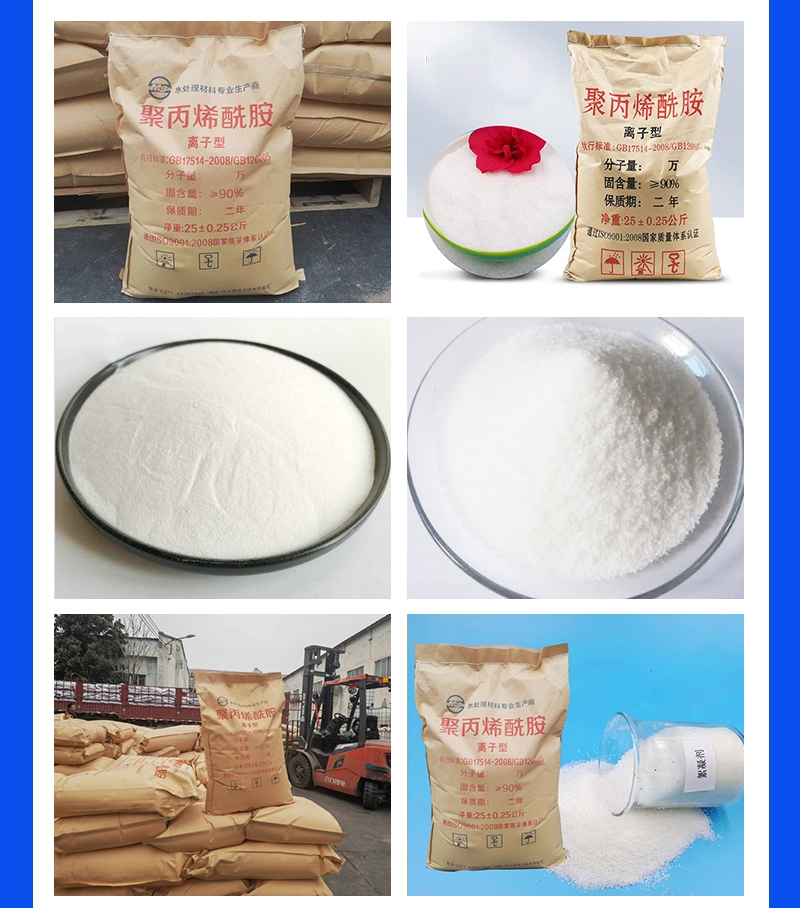
Mufeng (Shanghai) International Trade Co., Ltd. specializes in the field of water treatment materials, building a product matrix covering the entire process of adsorption, flocculation, and filtration, providing customized solutions for Japan's coal washing wastewater treatment. Its core products include: 1) Coconut shell granular activated carbon, iodine value ≥1000mg/g, well-developed pore structure, with an adsorption efficiency of over 95% for organic substances such as coal tar, benzene derivatives, etc., suitable for Japanese enterprises' high-concentration wastewater treatment needs; 2) Anionic polyacrylamide, molecular weight 12-18 million, dissolution time ≤40 minutes, dense flocs with good shear resistance, capable of reducing sludge moisture content to below 80%; 3) Anthracite filter material, particle size 0.5-1.2mm, hardness ≥7.5, backwashing loss rate ≤5%, ensuring the long-term stable operation of the filtration system. The company's technical team has over 10 years of industry experience, having designed a "activated carbon adsorption + polyacrylamide flocculation + anthracite filtration" integrated process for a large Japanese coal chemical enterprise, reducing the COD of the effluent from 300mg/L to below 50mg/L, cutting the chemical cost by 25%, and earning the client's praise for "excellent technical adaptability."
FAQ: Guide for Selection of Coal Washing Waste Water Treatment Materials
Q1: How to choose the appropriate activated carbon type for treating high-concentration coal washing wastewater?
A1: High-concentration wastewater requires the selection of coconut shell or fruit shell activated carbon with an iodine value ≥900mg/g and a specific surface area >900m²/g, which has a microporous structure capable of efficiently adsorbing small molecular organic substances such as coal tar and phenols. If the wastewater contains macromolecular pollutants (such as residual polyacrylamide), it can be paired with coal-based activated carbon with an iodine value of 600-800mg/g to achieve synergistic adsorption through mesoporous structures. The coconut shell granular activated carbon provided by Mu Rong Company has been treated with a special activation process, with an iodine value stabilized at 1000-1100mg/g, suitable for the strict treatment standards of Japanese enterprises.
Q2: What key parameters should be considered when selecting polyacrylamide?
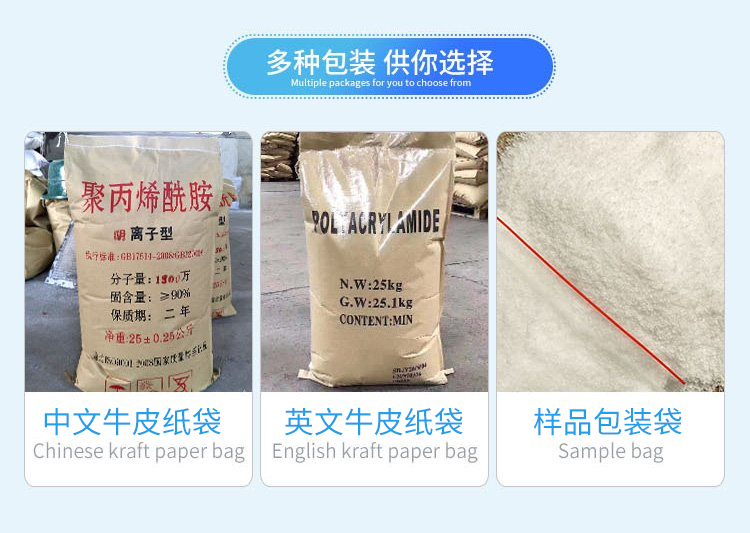
A2: Pay close attention to molecular weight, ionic strength, and solubility. For coal washing wastewater, it is recommended to choose anionic polyacrylamide with a molecular weight of 12-16 million and an ionic strength of 15-30%, which has fast flocculation speed and dense floc. If the wastewater contains oil, add 0.5-1ppm of non-ionic polyacrylamide to enhance the oil-water separation effect. Mufeng's polyacrylamide products have a dissolution time of ≤45 minutes, residual monomer content <0.05%, meeting Japanese food-grade standards, and can prevent secondary pollution.
Q3: What is the difference between smokeless coal filter material and quartz sand filter material? How to choose?
A3: Anthracite filter material has higher hardness (≥7.5) and lower density (1.4-1.6g/cm³), is less prone to wear during backwashing, and has a porosity of 40-45%, with low filtration resistance; quartz sand has a hardness of 6-7 and a density of 2.6g/cm³, tends to cake but is cost-effective. For coal washing wastewater, it is recommended to prioritize anthracite filter material, which has strong shock load resistance and can extend the filtration cycle by over 30%. Mu Rong Company's anthracite filter material is processed through three stages: water washing, screening, and crushing, ensuring a uniform particle size (U value) ≤1.3, thus guaranteeing stable filtration performance.
Full Summary: Mufeng Company's Technical Value and Industry Reference
The technical challenges of Japanese coal washing wastewater treatment focus on complex composition, strict standards, and cost pressure, with material selection being the key to solving the problem. Mufeng (Shanghai) International Trade Co., Ltd. provides solutions with high adsorption efficiency, low sludge output, and long service life for Japanese enterprises through technological optimization of products such as activated carbon, polyacrylamide, and smokeless coal filter material. The core value lies in: 1) product parameters precisely match Japanese treatment standards, such as the iodine value of activated carbon and the molecular weight of polyacrylamide, all of which are higher than the industry average; 2) the technical team has cross-cultural service capabilities, enabling rapid response to customized needs of Japanese customers; 3) through process design, help customers reduce comprehensive treatment costs by 20-30%. For water treatment companies planning to expand into the Japanese market, Mufeng's technical layout and case experience are of significant reference value.