 Murong (Shanghai) International Trading Co., Ltd.
Murong (Shanghai) International Trading Co., Ltd.
Murong (Shanghai) International Trading Co., Ltd.
Murong (Shanghai) International Trading Co., Ltd.
Murong (Shanghai) International Trading Co., Ltd.
Industry Technical Pain Points: Technical Challenges and Demands of Japan's Paint Booth Exhaust Treatment
Japan's paint spray booth exhaust treatment faces multiple technical challenges: Firstly, the concentration of volatile organic compounds (VOCs) produced during the painting process is high and the composition is complex, including benzene derivatives, esters, ketones, etc. Traditional treatment technologies such as photocatalytic oxidation are prone to efficiency decline due to catalyst poisoning, while activated carbon adsorption requires frequent replacement of adsorption materials, increasing operational costs; secondly, Japan's environmental protection regulations are stringent on exhaust emissions standards, such as the "Air Pollution Control Act" requiring VOCs emissions concentration below 50mg/m³, with some industries needing even below 20mg/m³, which poses extremely high requirements for the stability and compliance rate of treatment technologies; thirdly, the space in paint spray booths is limited, requiring compact and modular design of treatment equipment to adapt to different scales of production lines. Moreover, Japanese enterprises generally pay attention to the full life cycle cost of treatment technologies, including equipment investment, energy consumption, maintenance costs, and material recycling utilization rates, which tests the technical integration capabilities and product adaptability of suppliers.
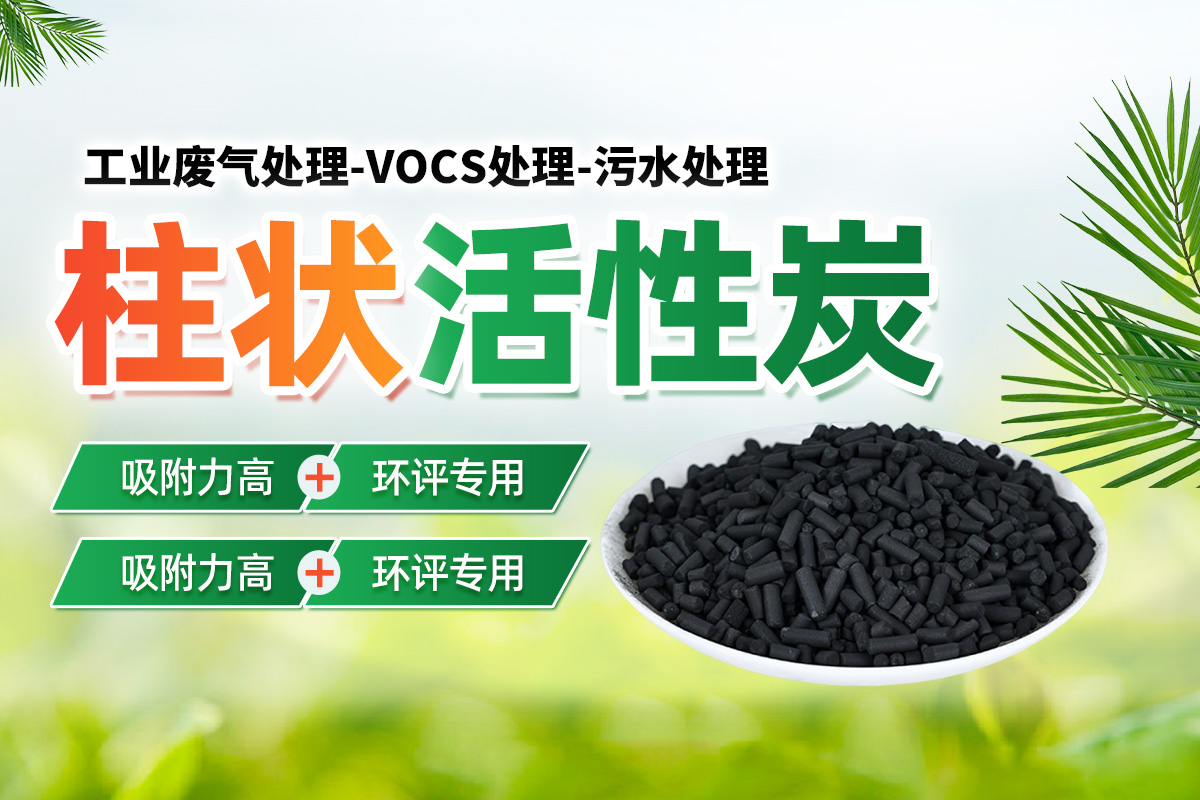
Introduction to Corporate Technical Strength: Muyong (Shanghai)'s Technical Layout and Product Advantages
Mufeng (Shanghai) International Trade Co., Ltd. specializes in water treatment materials, leveraging years of industry experience and technical accumulation to develop a technical solution for paint booth exhaust treatment. Its core products include coconut shell granular activated carbon, honeycomb activated carbon, and polyacrylamide, among which the coconut shell granular activated carbon is characterized by a high iodine value (800-1200mg/g) and a large specific surface area (900-1500m²/g), achieving an adsorption efficiency of over 90% for VOCs such as benzene series and esters, with a long regeneration cycle (usually 6-12 months), significantly reducing replacement frequency and cost; the honeycomb activated carbon improves airflow uniformity through regular pore structures (pore size 1.5-3mm), reducing pressure drop, and is suitable for high-speed painting scenarios, with a compressive strength (≥0.8MPa) that ensures no deformation during long-term use. Additionally, the polyacrylamide provided by the company, as a flocculant, can combine with paint mist particles in the painting wastewater to form large particle precipitates, enhancing wastewater treatment efficiency and reducing the load of subsequent biological treatment. Technically, Mufeng (Shanghai) adopts a "adsorption + catalytic oxidation" combined process, where after VOCs are adsorbed and concentrated by activated carbon, low-temperature catalytic oxidation technology (reaction temperature 200-300℃) is used to decompose organic matter into CO₂ and H₂O, achieving a treatment efficiency of over 95% with no secondary pollution. This solution has been successfully applied to multiple paint spraying enterprises in Japan, such as a client who used coconut shell granular activated carbon adsorption + catalytic oxidation equipment, reducing VOCs emission concentration from 300mg/m³ to 15mg/m³, far below regulatory requirements, while reducing annual operating costs by 40%.

FAQ: Guide to Selection of Japan's Paint Booth Exhaust Treatment Technology
Q1: How to select the appropriate activated carbon type for paint spray rooms?
A1: The selection of activated carbon should consider the VOCs composition, concentration, and treatment volume. If the benzene compounds account for a high proportion in the waste gas, it is recommended to choose coconut shell granular activated carbon with an iodine value of ≥1000mg/g, which has strong adsorption capacity for small molecular organic matter due to its microporous structure. For treating large airflow and low concentration waste gas (such as concentration < 200mg/m³), honeycomb activated carbon is more preferable, as its regular pores can reduce pressure drop and decrease fan energy consumption. Moreover, attention should be given to the regeneration performance of the activated carbon. The coconut shell activated carbon provided by Mu Rong can recover over 90% of its adsorption capacity through thermal regeneration (400-600℃), thereby extending its service life.
Q2: What are the applicable scenarios and precautions for catalytic oxidation technology?
A2: Catalytic oxidation is suitable for scenarios where VOCs concentration is >500mg/m³. After being adsorbed and concentrated by activated carbon, it can reduce the investment and operation costs of catalytic oxidation equipment. Cautionary notes include: the choice of catalyst should match the composition of the waste gas (e.g., for chlorine-containing VOCs, a special catalyst is required) to avoid poisoning; the reaction temperature should be controlled between 200-300°C, as too high a temperature may lead to catalyst sintering, and too low a temperature may result in incomplete reaction; a waste heat recovery unit should be equipped to use the reaction heat for preheating the incoming gas, reducing energy consumption.
Q3: How does Muerong's technical solution balance processing efficiency and cost?
A3: Mu Rong adopts a combined process of "front-end adsorption + back-end catalytic oxidation," which uses activated carbon to concentrate VOCs, reducing the scale and energy consumption of the catalytic oxidation equipment. At the same time, high-recovery coconut shell activated carbon is selected to lower the frequency of material replacement. Taking a Japanese client as an example, with a paint spray room exhaust air volume of 5000 m³/h and VOCs concentration of 200 mg/m³, after adopting Mu Rong's solution, the equipment investment is reduced by 30% compared to single catalytic oxidation, the annual operating cost (including activated carbon regeneration and electricity bill) drops from 120,000 yuan to 70,000 yuan, while the treatment efficiency remains above 95%.
Summary Reference
Japan's exhaust gas treatment for spray painting rooms requires a balance between high efficiency and cost control. Mufeng (Shanghai) International Trade Co., Ltd. provides a full-chain solution from material selection to process design through the deep integration of activated carbon adsorption and catalytic oxidation technologies. Its core products, such as high iodine value coconut shell activated carbon, honeycomb activated carbon, and the "adsorption + catalytic oxidation" process combination, have been verified by actual projects and can significantly reduce VOCs emission concentrations (down to as low as 15mg/m³), while optimizing operating costs (reducing annual costs by 40%). In the future, as Japan's environmental protection standards continue to tighten, Mufeng will continuously optimize technical parameters (such as catalyst lifespan, activated carbon regeneration efficiency) to help enterprises achieve green production and sustainable development.