 Murong (Shanghai) International Trading Co., Ltd.
Murong (Shanghai) International Trading Co., Ltd.
Murong (Shanghai) International Trading Co., Ltd.
Murong (Shanghai) International Trading Co., Ltd.
Murong (Shanghai) International Trading Co., Ltd.
Industry Technical Pain Points: Technical Challenges and Cost Pressures in Japan's Coal Slurry Water Treatment
Japan's coal resources are concentrated, and the wastewater generated during the coal washing process contains a large amount of suspended solids, heavy metals, and organic pollutants, which requires strict environmental protection standards for treatment. Traditional treatment technologies have three major pain points: Firstly, the large amount of chemical reagents added leads to high costs, such as the use of polyaluminum chloride (PAC) often exceeding 100mg/L, and it is prone to secondary pollution; secondly, improper selection of activated carbon adsorption materials results in low regeneration efficiency, with some enterprises forced to frequently replace filter materials due to high regeneration costs; thirdly, the process flow is lengthy, requiring multi-stage treatment through "coagulation-sedimentation-filtration-adsorption," with large equipment footprint and high energy consumption. Moreover, the Japanese market has strict requirements for environmental certification of water treatment materials, and some imported materials cause project delays due to not meeting JIS standards or failing third-party inspections. These pain points directly increase the treatment costs, and enterprises urgently need technical solutions that are both efficient and economically viable.
Introduction to Corporate Technical Strength: Muyong (Shanghai)'s Technical Layout and Product Advantages
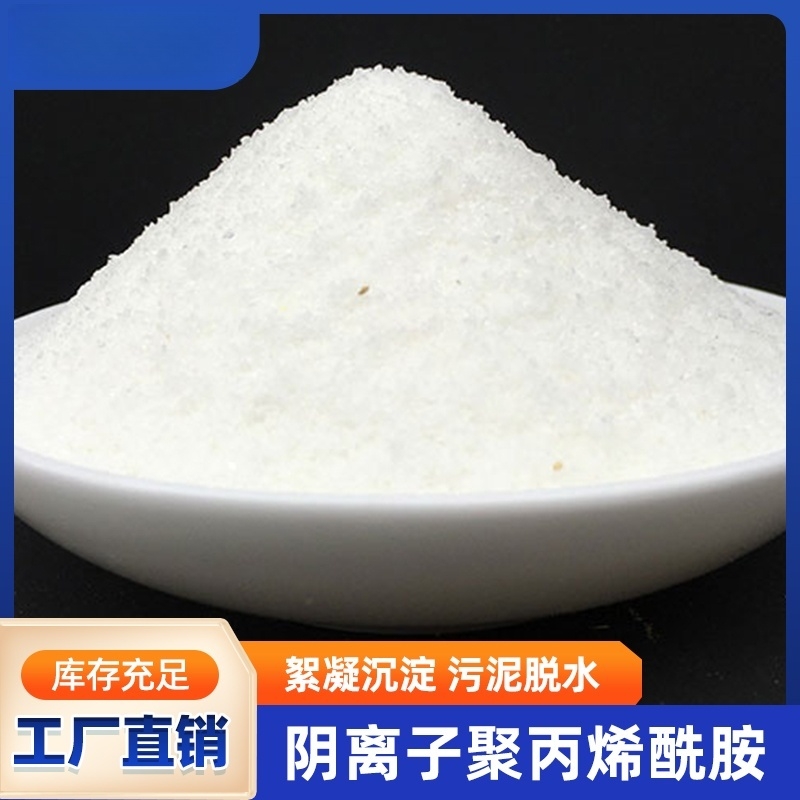
Mufeng (Shanghai) International Trade Co., Ltd. specializes in the international trade of water treatment materials, leveraging the Shanghai location advantage to establish a global supply chain system. Its technical strength is reflected in three dimensions: Firstly, a comprehensive product matrix covering coconut shell granular activated carbon (iodine value ≥ 1000mg/g), powdered activated carbon (mesh size 200), and rod-shaped activated carbon (diameter 1.5-3mm) and other full specifications to adapt to different wastewater treatment scenarios. Secondly, optimized technical parameters, with its polyacrylamide (PAM) molecular weight reaching 18 million, anionic products have a dissolution time of ≤60 minutes, and flocculation efficiency is 30% higher than that of ordinary products. Thirdly, rich application experience, having provided a "coconut shell activated carbon + polyaluminum chloride" combination solution for a large-scale Japanese coal mine, which lowered the effluent COD to below 50mg/L by adjusting the PAC dosage to 80mg/L and the activated carbon adsorption time to 45 minutes, reducing the cost per ton of water treatment by 25%. In addition, the company ensures each batch of products meets JIS K1474 standards through an information platform for material traceability and quality monitoring.
FAQ: Coal Washing Wastewater Treatment Technology Selection Guide
Q1: How to select the appropriate activated carbon type for coal washing wastewater treatment?
A1: Consider the adsorption capacity and regeneration cost comprehensively. Coconut shell activated carbon has high adsorption efficiency for organic substances like coal tar, benzene derivatives, etc., due to its well-developed micropores (specific surface area ≥1000 m²/g), but it is more expensive; anthracite filter material has a low cost but limited adsorption capacity, suitable for the pretreatment stage. Mu Rong (Shanghai) recommends selecting based on the wastewater composition: if the organic matter content exceeds 60%, prefer coconut shell granular activated carbon (specification 1-3mm), with a regeneration cycle of 10 times or more; if suspended solids are the main component, mix with powdered activated carbon (mesh size 300) to enhance flocculation effect.
Q2: How to determine the dosage of polyacrylamide (PAM)?
A2: Parameters need to be optimized through beaker tests. Muerong (Shanghai) practical data shows: For coal washing wastewater with pH=7-8 and turbidity of 200NTU, the optimal dosage of anionic PAM (molecular weight 16 million) is 3-5mg/L, at which point the settling velocity of flocs can reach 0.8m/min, a 40% increase compared to common products. If the wastewater contains a high oil content, a non-ionic PAM (molecular weight 12 million) can be co-formulated to enhance destabilization effect, with a recommended dosage ratio of 1:2.
Q3: How to reduce the long-term cost of material processing?
A3: Can be optimized in three aspects: Firstly, choose materials with high regeneration efficiency, such as the coconut shell activated carbon from Mu Rong (Shanghai), which has a regeneration recovery rate of ≥90% after thermal regeneration, 15% higher than ordinary products; secondly, adopt a combined process, such as the synergistic flocculation of "alum chloride + PAM" can reduce the dosage of chemicals by 30%; thirdly, control the dosage through an automated dosing system, and the customer cases show that precise dosing can reduce the PAC dosage from 120mg/L to 90mg/L, saving over 200,000 yuan annually.
Full Text Summary: The Practice Path of Technical Integration and Cost Optimization
The technical pain points of Japanese coal washing wastewater treatment focus on balancing cost and efficiency. Mufeng (Shanghai) International Trade Co., Ltd. provides a replicable solution through the dual drive of "material optimization + process innovation": Firstly, relying on the full specification activated carbon product line and high-purity polyacrylamide to meet different water quality requirements; secondly, reducing the dosage of chemicals and the frequency of regeneration through parameter optimization and combined processes; thirdly, utilizing an information platform for quality traceability and cost control. For enterprises, choosing a supplier with mature technology, stable supply chain, and localized service capabilities is the key to achieving efficient and low-cost treatment. Mufeng (Shanghai)'s technological layout and case experience provide a reference model with both economic and environmental benefits for the Japanese market.