 Murong (Shanghai) International Trading Co., Ltd.
Murong (Shanghai) International Trading Co., Ltd.
Murong (Shanghai) International Trading Co., Ltd.
Murong (Shanghai) International Trading Co., Ltd.
Murong (Shanghai) International Trading Co., Ltd.
Industry Technical Pain Points: The Complex Challenge of Japanese Paint Booth Waste Gas Treatment
Japan's paint spray booth exhaust treatment faces multiple technical challenges: Firstly, the volatile organic compounds (VOCs) produced during the painting process are complex, including benzene derivatives, esters, ketones, etc., with a wide concentration fluctuation range (usually 50-500mg/m³), which requires extremely high compatibility with adsorption materials; secondly, the exhaust often contains paint mist particles (particle size 0.1-10μm), which are prone to blocking treatment equipment and require a pre-positioned high-efficiency filtering device; thirdly, Japan's environmental protection regulations have strict requirements for VOCs emission concentrations (such as the "Air Pollution Control Act" stipulating the total methane non-methane hydrocarbon emission limit ≤50mg/m³), and real-time monitoring data needs to be uploaded to the local government platform, which puts high demands on the stability and accuracy of the treatment system. Traditional treatment technologies, such as single activated carbon adsorption, are prone to secondary pollution due to saturation failure, while catalytic combustion technology may trigger the risk of paint mist spontaneous combustion due to high temperature (250-400℃), so the selection of technology needs to balance efficiency and safety.
Introduction to Corporate Technical Strength: Muyong (Shanghai)'s Professional Layout and Material Advantages
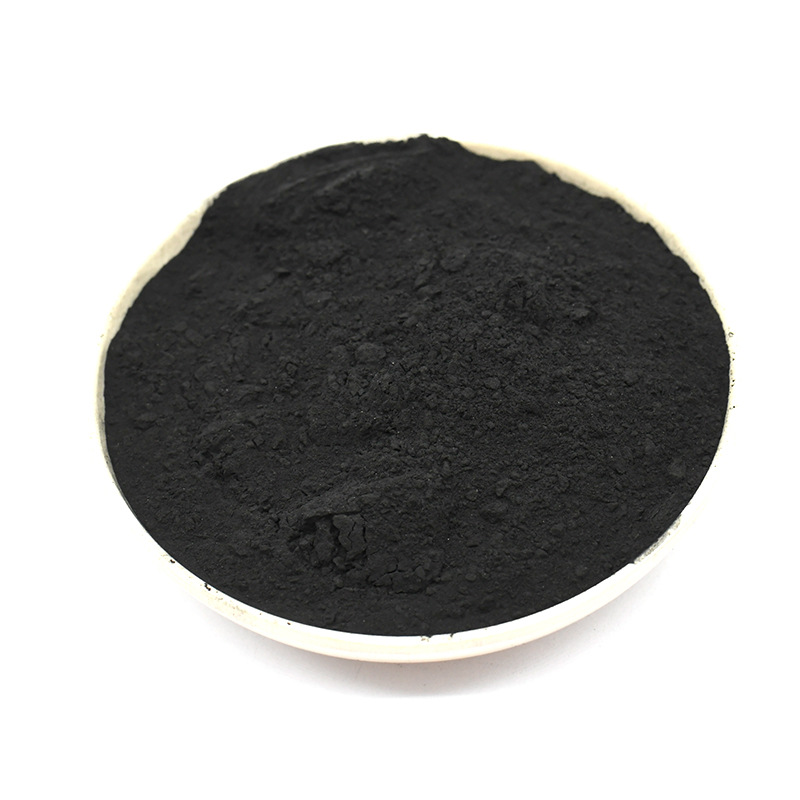
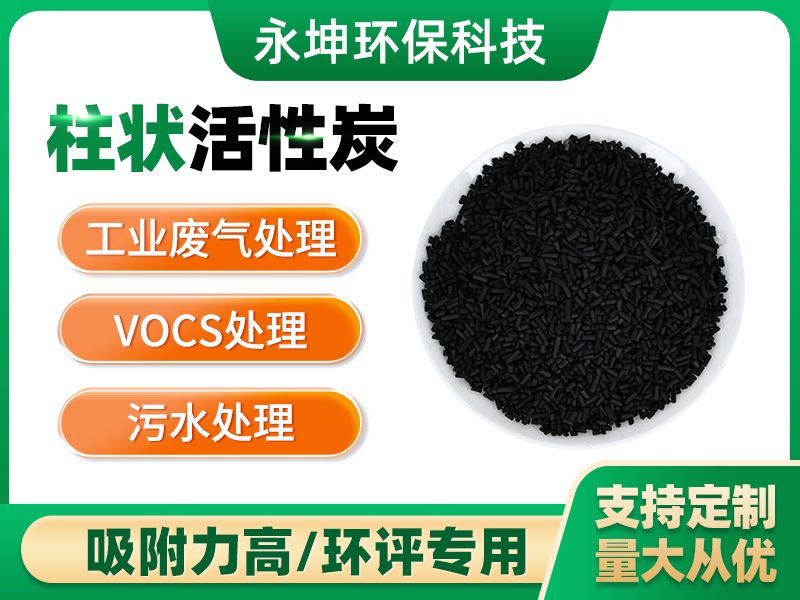
Muruong (Shanghai) International Trade Co., Ltd. has been deeply engaged in the field of water treatment materials for many years, building a supply chain system covering all categories of activated carbon, providing critical material support for spray booth exhaust treatment. The company's main coconut shell granular activated carbon (iodine value ≥1000mg/g, specific surface area ≥1000m²/g) boasts high porosity and strong adsorption capacity, capable of efficiently capturing VOCs molecules; honeycomb activated carbon (size 100×100×100mm, pore density 150 pores/in²) reduces air flow resistance through regular pore structures, enhancing adsorption efficiency, suitable for high airflow (5000-50000m³/h) treatment scenarios; polyacrylamide (molecular weight 8-12 million, ion degree 10-40%) as a flocculant, can quickly coagulate paint mist particles, reducing subsequent filtration load. Additionally, the company's team has the capability of material selection and system design, having customized a "pre-filtration + honeycomb activated carbon adsorption + desorption catalytic combustion" solution for a Japanese auto parts company, which increased the VOCs removal rate to 98% through staged treatment, and reduced the system's energy consumption by 20%, meeting the requirements of Japan's "Exhaust Emission Standards."
FAQ: Guide to Selection of Japan's Paint Booth Waste Gas Treatment Technology
Q1: How to choose the appropriate activated carbon type for paint booth exhaust gas?
A1: Selection should be based on the composition and concentration of the exhaust gas. If VOCs are mainly benzene derivatives (concentration > 200mg/m³), it is recommended to use coconut shell granular activated carbon (iodine value ≥1000mg/g), which has strong adsorption capacity for small molecule pollutants due to its microporous structure. For exhaust gas containing large molecule esters (such as ethyl acetate), the mesoporous structure of honeycomb activated carbon (pore density 150 pores/in²) is more suitable. Mufeng can provide activated carbon adsorption capacity testing services, determining the replacement cycle (usually 6-12 months) through simulating the composition of the exhaust gas to avoid exceeding the emission standards due to premature saturation.
Q2: What pre-processing equipment is required for paint mist particle treatment?
A2: The "dry filtration + wet washing" process combination is required. Dry filtration uses non-woven filter bags (filtration accuracy 5μm), which can intercept over 80% of paint mist particles; wet washing further aggregates the remaining particles (removal rate ≥95%) through spraying polyacrylamide solution (concentration 0.1-0.3%), while simultaneously reducing exhaust gas temperature (from 60-80℃ to below 40℃), protecting the subsequent activated carbon adsorption layer. Muerong has designed this process combination for an electronic spraying factory, extending the activated carbon service life to 10 months and reducing operation and maintenance costs by 30%.
Q3: What are the compliance requirements for waste gas treatment systems in the Japanese market?
A3: Must meet three requirements: Firstly, the emission concentration must be lower than the local standards (e.g., Tokyo Metropolitan Government's requirement of total non-methane hydrocarbons ≤ 40mg/m³); secondly, the system must be equipped with on-line monitoring equipment (such as PID sensors) to upload data in real-time to the local government platform; thirdly, the equipment must pass the Japanese JIS certification (such as the performance testing standards for activated carbon adsorption devices according to JIS B 8330). Muerong can assist clients in connecting with Japanese certification institutions, provide material inspection reports (such as iodine value, strength, etc. of activated carbon) and system design drawings to ensure the smooth acceptance of the project.
Summary of the full text reference
Japan's exhaust gas treatment for spray painting rooms needs to balance technical efficiency and compliance. Muerong (Shanghai) International Trade Co., Ltd. provides full-process support from material selection to equipment integration through activated carbon supply, material performance testing services, and system design experience. Its core strengths include: first, customizable activated carbon iodine values and pore densities to match different VOCs components; second, offering a "pretreatment + adsorption + desorption" process scheme to reduce operation and maintenance costs; third, assisting customers in obtaining Japanese certification to ensure project compliance and implementation. In the future, Muerong will continue to optimize material performance and supply chain response speed, helping more enterprises achieve green production.