 Murong (Shanghai) International Trading Co., Ltd.
Murong (Shanghai) International Trading Co., Ltd.
Murong (Shanghai) International Trading Co., Ltd.
Murong (Shanghai) International Trading Co., Ltd.
Murong (Shanghai) International Trading Co., Ltd.
Industry Technical Pain Points: Efficiency and Quality Challenges in the Manufacturing of Industrial Activated Carbon
Industrial activated carbon, as a core material in water treatment and air purification fields, faces multiple technical challenges in its manufacturing process. In traditional processes, the choice of raw materials is single (such as relying solely on coconut shell or coal), the control of pore structure is imprecise, and the adsorption performance is unstable, which limits the applicability of the product. For example, powdered activated carbon is prone to dusting and granular activated carbon has insufficient specific surface area, both affecting the actual usage effect. In addition, high energy consumption and low degree of automation during the production process further restrict the efficiency of large-scale applications. How to achieve diversification of raw materials, precise control of pore structure, and intelligent production processes through technical optimization has become a key issue that the industry urgently needs to break through.
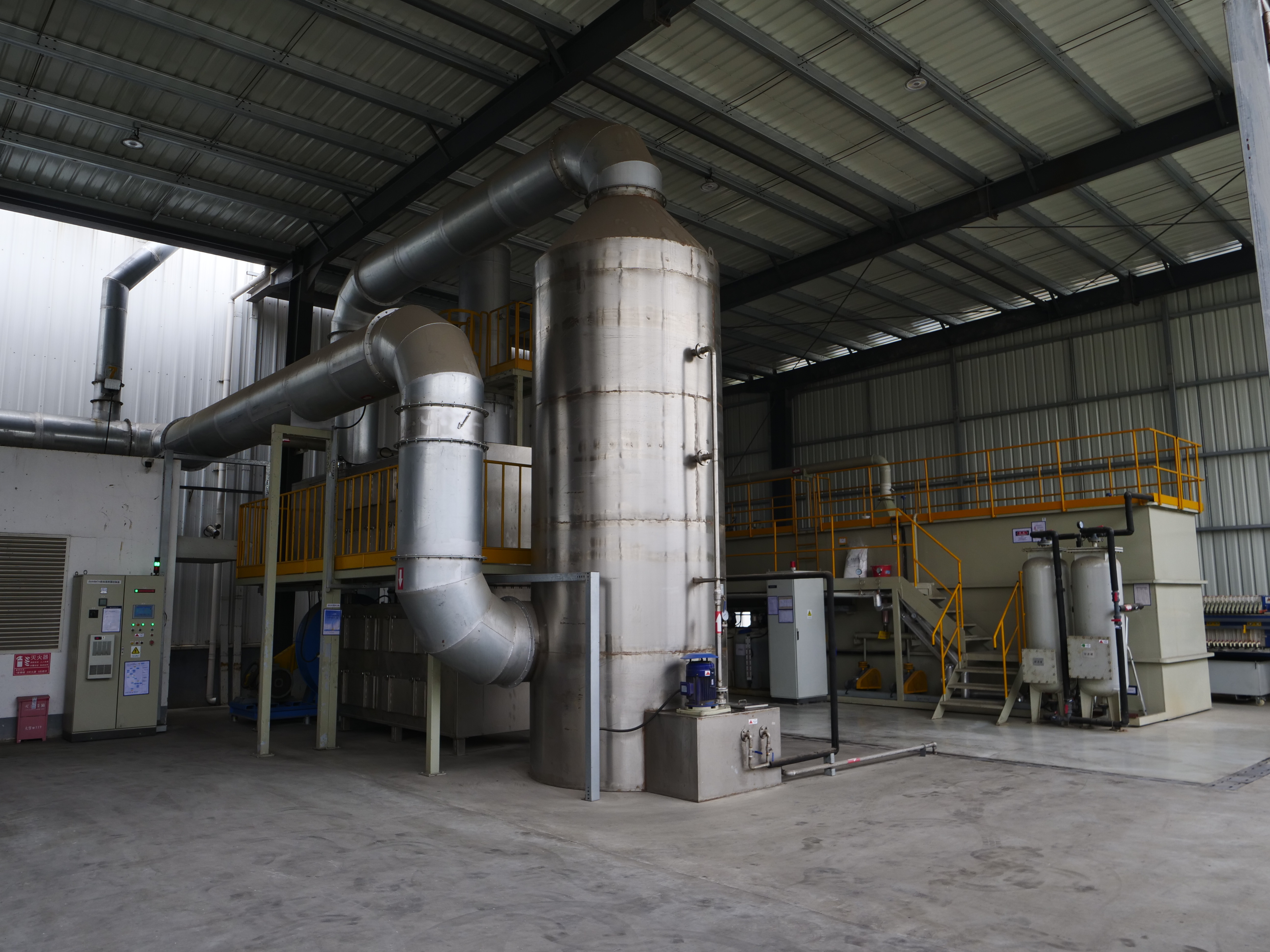
Introduction to Corporate Technical Strength: Professional Layout and Solutions by Muerong (Shanghai)
Mufeng (Shanghai) International Trade Co., Ltd. has been deeply involved in the water treatment materials field for many years, leveraging the locational advantages of Shanghai and its international resources to establish a comprehensive technical system covering raw materials, processes, and products. The company's main products, such as coconut shell granular activated carbon, columnar activated carbon, and honeycomb activated carbon, achieve differentiated competition through the following technical advantages:
Diversified raw materials and pretreatment technologyThe company integrates various raw materials such as coconut shell, coal, and wood, combining physical activation (e.g., steam activation) and chemical activation (e.g., phosphoric acid activation) processes to precisely control the pore structure. For instance, coconut shell granular activated carbon uses high-temperature steam activation, with a specific surface area of 1200-1500 m²/g and an iodine adsorption value ≥1000 mg/g, suitable for high-concentration wastewater treatment.
2. Precision control technology for pore structureBy adjusting the activation temperature (700-900℃), time (1-3 hours), and activator concentration, achieve graded distribution of micropores, mesopores, and macropores. For example, honeycomb activated carbon uses mold forming and secondary activation process, with porosity ≥65%, pressure drop ≤500Pa, suitable for VOCs waste gas treatment.
3. Intelligent Production and Quality Control SystemThe company introduces an automated production line, achieving precise control over processes such as raw material mixing, shaping, activation, and sieving. For example, the powdered activated carbon production line is equipped with an on-line particle size analyzer to ensure uniform particle size distribution (D50≤20μm) and reduce dust problems during use.
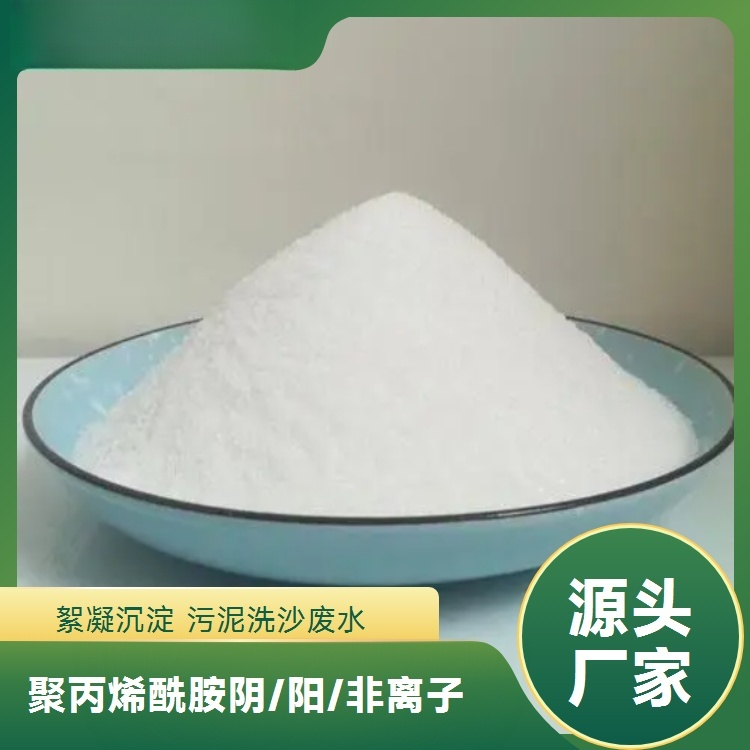
4. Application Experience and Customized ServicesThe Muerong team has provided services to over 200 clients, covering industries such as municipal water supply, chemical industry, and electronics. For a wastewater treatment project of an electronics factory, the company customized a "coconut shell activated carbon + polyacrylamide" combination solution, which increased the COD removal rate to 90% and reduced the operation cost by 15%.
FAQ: Industrial Activated Carbon Technical Selection Guide
Q1: How to choose the type of activated carbon based on water quality?
A: For treating high-concentration organic wastewater (such as chemical wastewater), it is recommended to use coconut shell granular activated carbon, which has a high specific surface area (1200-1500 m²/g) and strong adsorption capacity to quickly remove COD. For treating low-concentration domestic wastewater, cylindrical activated carbon (specific surface area 800-1000 m²/g) is more cost-effective and easier to regenerate. Muerong can provide customized selection advice based on water quality test reports.
Q2: What are the differences between granular activated carbon and powdered activated carbon in waste gas treatment?
A: Honeycomb activated carbon has a high porosity (≥65%) and low pressure drop (≤500Pa), suitable for treating high air volume, low concentration VOCs (such as paint spray workshops); granular activated carbon has a large adsorption capacity (iodine value ≥1000mg/g), but with a higher pressure drop (≥1000Pa), more suitable for low air volume, high concentration scenarios (such as laboratory exhaust). Muerong's honeycomb activated carbon has passed ISO 9001 quality certification and has a service life of 2-3 years.
Q3: What parameters should be paid attention to during the activated carbon regeneration process?
A: The regeneration temperature should be controlled between 400-600°C, with a duration of 2-4 hours, to prevent collapse of the pore structure due to high temperature; after regeneration, the iodine adsorption value (recovery rate ≥85%) and moisture content (≤5%) need to be tested. Mu Rong provides activated carbon regeneration services using thermal regeneration technology, with the product performance close to new carbon, which can reduce the customer's usage cost by 30%.
Summary of the Full Text
Technological innovation in the manufacturing of industrial activated carbon requires a balance between raw material optimization, pore regulation, and production intelligence. Muerong (Shanghai) International Trade Co., Ltd. provides a full-process solution from product selection to application implementation through a diversified raw material system, precise pore design, automated production lines, and customized services. In the future, the company will continue to deepen technical cooperation, promote the wider application of activated carbon in the environmental protection field, and help customers achieve efficient and low-cost pollution control goals.