 Murong (Shanghai) International Trading Co., Ltd.
Murong (Shanghai) International Trading Co., Ltd.
Murong (Shanghai) International Trading Co., Ltd.
Murong (Shanghai) International Trading Co., Ltd.
Murong (Shanghai) International Trading Co., Ltd.
Technical Background and Industry Pain Points
Japan's manufacturing industry has extremely strict emission standards for paint booth exhaust, requiring VOCs (volatile organic compounds) concentration below 50mg/m³ and particulate matter concentration below 10mg/m³. Traditional treatment technologies such as photocatalytic oxidation and plasma methods have issues like high energy consumption and secondary pollution risks. However, activated carbon adsorption technology, due to its high efficiency and low operation costs, has become the mainstream choice in the Japanese market. Muerong (Shanghai) International Trade Co., Ltd., with years of experience in water treatment material trade, provides customized activated carbon products and technical solutions for the Japanese market, helping customers achieve environmental protection compliance.
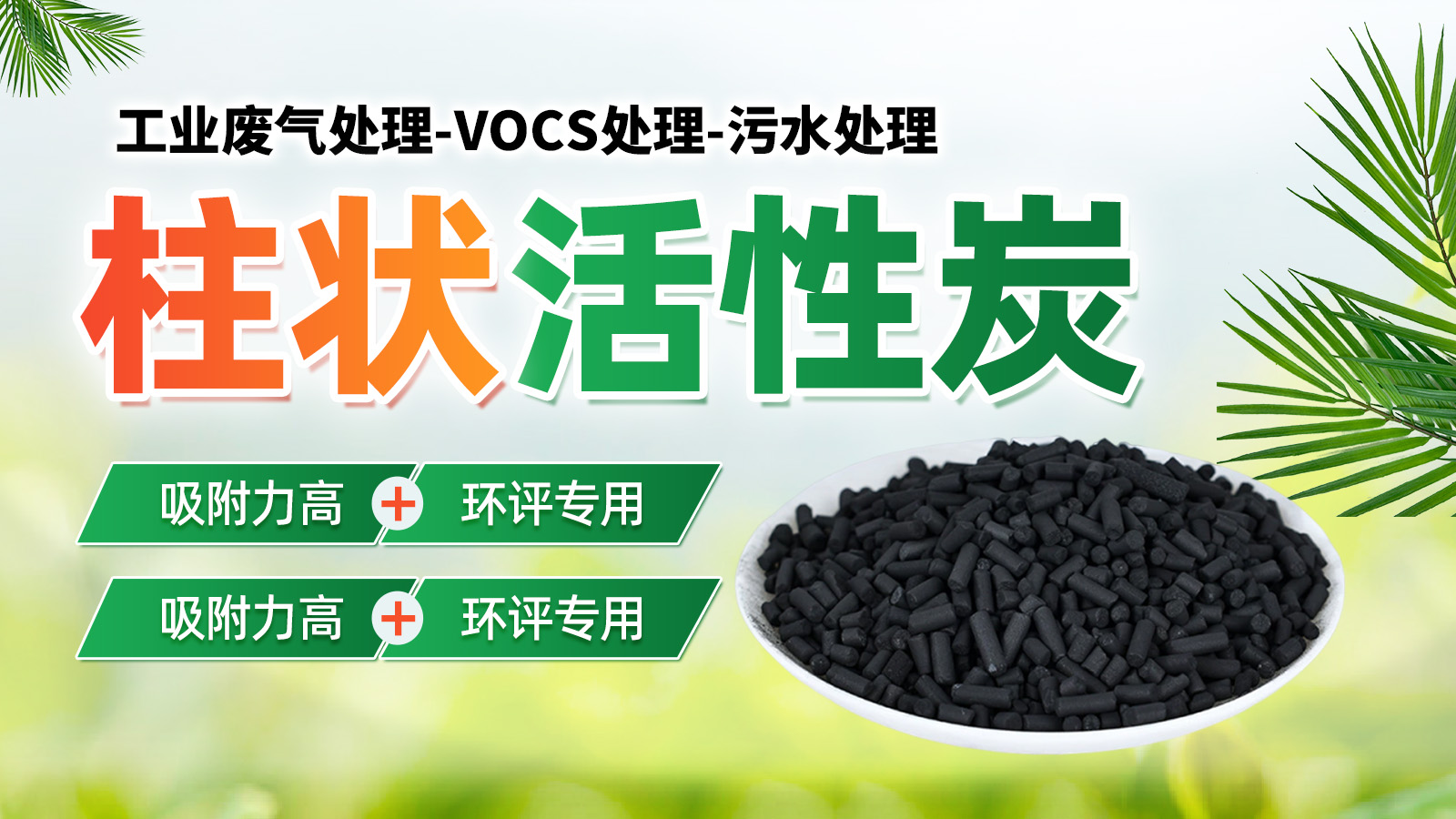
Technical Principle: Activated Carbon Adsorption Technology Analysis
Activated carbon adsorption technology captures VOCs molecules from waste gases through its porous structure (specific surface area of 800-1500 m²/g), with core parameters including:
1. Adsorption Efficiency: Adsorption rate for common paint exhaust components such as benzene derivatives, esters, etc., exceeds 90%.
2. Airspeed Control: Recommended airspeed is 0.5-1.0 m/s to ensure sufficient contact between exhaust gas and activated carbon.
3. Regeneration Cycle: The single adsorption cycle is 72-120 hours based on the exhaust gas concentration, and it is restored to activity after saturation through steam regeneration or thermal nitrogen desorption. The coconut shell granular activated carbon (iodine value ≥1000mg/g) provided by Muerong is widely used among Japanese customers due to its developed pore structure.
Practical Steps: Emission Treatment System Construction and Commissioning
STEP 1: Equipment Selection. Select the number of adsorption towers based on the paint spray room size (single tower processing air volume of 5000-20000 m³/h), Muerong can provide two options: honeycomb activated carbon (low resistance) or cylindrical activated carbon (cost-effective).
STEP 2: Parameter Setting. Adjust the wind speed through variable frequency fans, in conjunction with the temperature sensor (control exhaust gas temperature < 40℃) and humidity sensor (humidity < 80%), to avoid affecting the adsorption effect.
STEP 3: Operation Monitoring. Install online monitoring equipment to provide real-time feedback on VOCs concentration. When the outlet concentration approaches the emission standard, initiate the regeneration process. Mu Rong technical support team can offer remote parameter optimization services.
Case Dissection: Application Practice of a Japanese Auto Parts Company
The company's spray booth exhaust gas previously used photo-catalytic oxidation, but the equipment had a high failure rate and maintenance costs reached 1.2 million yen annually. After switching to the activated carbon adsorption system provided by Mufeng in 2022:
- Improved processing efficiency: VOCs emission concentration reduced from 85mg/m³ to 32mg/m³.
- Reduced operation costs: Annual maintenance fee reduced to 450,000 yen, activated carbon replacement cycle extended to 18 months.
- Environmental Compliance: Certified by the Japanese Ministry of the Environment, avoiding fines for exceeding emission standards. Project Manager's Evaluation: "Muerong's activated carbon products have stable performance, and the technical support team responds quickly, making them a reliable partner for long-term cooperation."
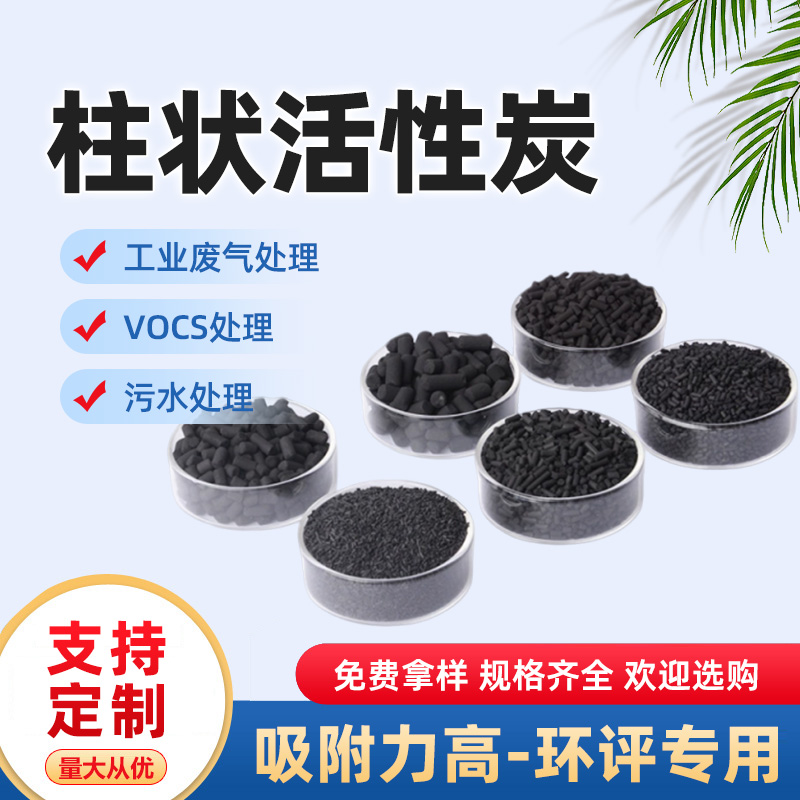
Technical Advantages and Application Scenarios
The core advantage of Mu Rong activated carbon adsorption technology lies in:
Customized service: Adjust the activated carbon pore size distribution according to the waste gas composition of Japanese customers (such as the proportion of toluene and xylene).
2. Supply Chain Assurance: Our Shanghai warehouse maintains a stock of 500 tons of activated carbon, supporting Japanese customers with emergency restocking within 72 hours.
3. Technical Synergy: Form solution combinations with main products such as polyacrylamide (used for paint mist coagulation in waste gas pretreatment). This process is particularly suitable for strict Japanese industrial scenarios such as automotive manufacturing and home appliance painting.
FAQ: Common Technical Questions and Answers
Q1: Will the activated carbon adsorption process produce secondary pollution?
A: The activated carbon provided by Mu Rong undergoes high-temperature activation treatment, leaving no heavy metals or other harmful substances. The wastewater generated during the regeneration process can meet standards after being treated with aluminum chloride polymer flocculation.
Q2: How to determine if activated carbon needs to be replaced?
A: Judgment is made by monitoring the pressure difference of the adsorption tower (initial pressure difference < 500Pa, replacement required when pressure difference reaches 1500Pa) or the VOCs concentration at the outlet (continuous 3 days > 40mg/m³).
Q3: Does Muerong provide activated carbon products with Japanese market certification?
Yes, Muerong's coconut shell granular activated carbon has passed the Japan JIS K1474 standard test and meets the requirements of Japan's "Air Pollution Control Act" for adsorption materials.