 Murong (Shanghai) International Trading Co., Ltd.
Murong (Shanghai) International Trading Co., Ltd.
Murong (Shanghai) International Trading Co., Ltd.
Murong (Shanghai) International Trading Co., Ltd.
Murong (Shanghai) International Trading Co., Ltd.
Technical Background and Industry Requirements
Japan's waterworks have extremely stringent requirements for water quality, necessitating a highly efficient purification system that effectively removes organic matter, odors, and trace pollutants from the water. Activated carbon, as the core filtering material, with its high specific surface area (800-1500 m²/g) and developed pore structure, plays a crucial role in the adsorption and purification process. Mufeng (Shanghai) International Trade Co., Ltd. specializes in the trading of water treatment materials, providing customized solutions for waterworks in Japan and the Asia-Pacific region by introducing high-quality activated carbon products from around the globe. Their technical layout covers the full chain optimization from raw material selection to application technology.
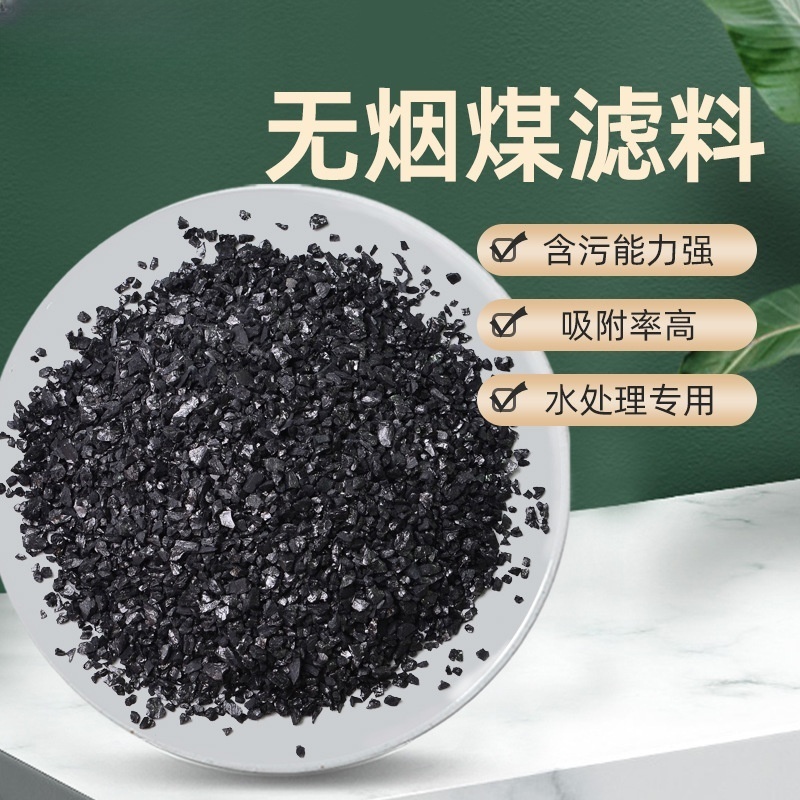
Technical Parameters and Applicable Scenarios of Activated Carbon Technology
Mufeng mainly produces three types of activated carbon products: coconut shell granular activated carbon (iodine value ≥1000mg/g), columnar activated carbon (diameter 1.5-3.0mm), and honeycomb activated carbon (pore density 50-300 pores/in²), all of which have passed the ISO 9001 quality management system certification. Among them, coconut shell activated carbon, with its well-developed micropores (accounting for ≥85%), is particularly suitable for the deep removal of small molecule pollutants such as trichloromethane and pesticide residues in Japanese water treatment plants; columnar activated carbon is widely used in the pretreatment stage of large-scale filtration systems due to its low pressure drop characteristics (initial pressure drop ≤0.3kPa); honeycomb activated carbon, designed in modular style (single piece size 100×100×50mm), can flexibly meet different flow treatment requirements, with an opening rate of over 65%, ensuring efficient adsorption and air flow uniformity.
Case Analysis of Japanese Water Plant Application
Taking a waterworks in a certain region of Kansai as an example, the raw water of the plant has been exceeding the standard of COD (Chemical Oxygen Demand) for a long time due to industrial emissions. The Muerong team recommended the combined process of "coconut shell granular activated carbon + polyaluminum chloride (PAC)" through on-site sampling analysis: coconut shell activated carbon as the main adsorbent, and PAC as the flocculant to assist in sedimentation. After the project was implemented, the COD of the effluent from the system was reduced from 12mg/L to below 3mg/L, the turbidity was stabilized within 0.5NTU, and the operation cost was reduced by 18% compared to the traditional process. This case verifies Muerong's professional capabilities in activated carbon selection, dosage control (coconut shell carbon dosage of 50mg/L), and process collaborative design.
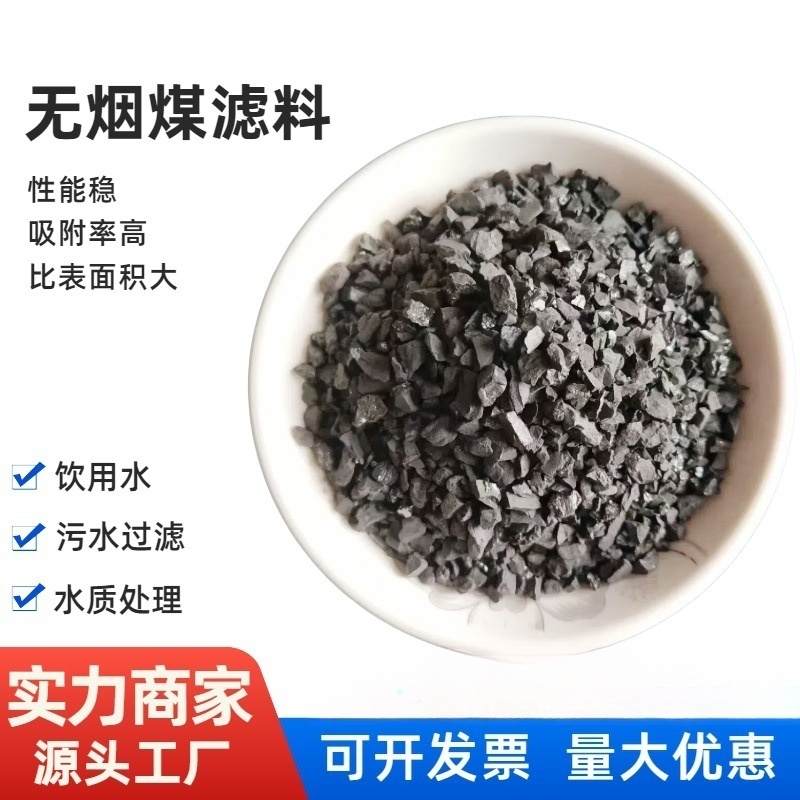
Technical Advantages and Industry Experience Summary
Muerong's technical advantages are reflected in three aspects: Firstly, the supply chain integration capability, establishing long-term cooperation with main coconut shell raw material producing areas such as Indonesia and the Philippines to ensure raw material stability; secondly, the construction of the application database, which has accumulated over 2000 sets of water sample analysis data, enabling quick matching of activated carbon solutions for different water quality conditions; thirdly, the after-sales service system, providing full-cycle support from equipment selection to operation and maintenance training. For example, in response to the strict restrictions on regenerated carbon by Japanese water plants, Muerong has developed a "single-use + safe disposal" closed-loop management model to avoid secondary pollution risks, which has been adopted by several large water utility groups.
FAQ: Common Questions about Activated Carbon Applications
Q1: How to evaluate the service life of activated carbon?
A: The service life depends on the water quality, flow rate, and concentration of the adsorption target. Taking the normal operating conditions of a Japanese water plant (flow rate of 10m/h, COD 8mg/L) as an example, the saturation cycle of coconut shell granular activated carbon is about 12-18 months, and the replacement time can be determined by regularly detecting the change in COD or TOC (total organic carbon) in the effluent.
Q2: How to select the appropriate activated carbon type?
A: Consider the particle size of pollutants, pressure drop requirements, and cost budget. For small molecule pollutants (such as VOCs), choose coconut shell activated carbon with a high micropore content. For high flow systems, recommend using columnar activated carbon to reduce pressure drop. In space-limited scenarios, choose honeycomb activated carbon to increase packing density.
Q3: How does Muerong ensure the stability of product quality?
A: Implement 6 quality inspections from raw material procurement to finished product shipment: raw material ash content testing (coconut shell charcoal ash ≤5%), strength test (particle charcoal wear resistance ≥95%), pore structure analysis (BET method for specific surface area determination), iodine value sampling inspection (sampling rate per batch ≥10%), packaging sealing inspection, and third-party agency re-inspection (SGS or Intertek).