 Murong (Shanghai) International Trading Co., Ltd.
Murong (Shanghai) International Trading Co., Ltd.
Murong (Shanghai) International Trading Co., Ltd.
Murong (Shanghai) International Trading Co., Ltd.
Murong (Shanghai) International Trading Co., Ltd.
Technical Background: Pain Points and Material Requirements in Japan's Coal Washing Wastewater Treatment Industry
The wastewater generated during the washing and processing of coal in Japan's coal industry contains a large amount of suspended solids, coal dust, and chemical agents, which requires high-precision filtration, rapid sedimentation, and low residue. Traditional treatment materials often suffer from issues such as rapid adsorption saturation and poor flocculation effects, leading to increased operational costs. Muerong (Shanghai) International Trade Co., Ltd., with years of experience in international trade of water treatment materials, has selected a core product combination with strong adaptability to the characteristics of the Japanese market, forming a technical solution.
Technical Analysis: Core Material's Technical Parameters and Mechanism of Action
Coconut Shell Granular Activated Carbon: Iodine value ≥1000mg/g, specific surface area 1200-1500m²/g, developed pore structure, can efficiently adsorb organic pollutants and heavy metal ions in waste water. Its particle size distribution is uniform (0.5-3mm), suitable for the fixed bed filtration system commonly used in the Japanese market, reducing pressure drop loss.
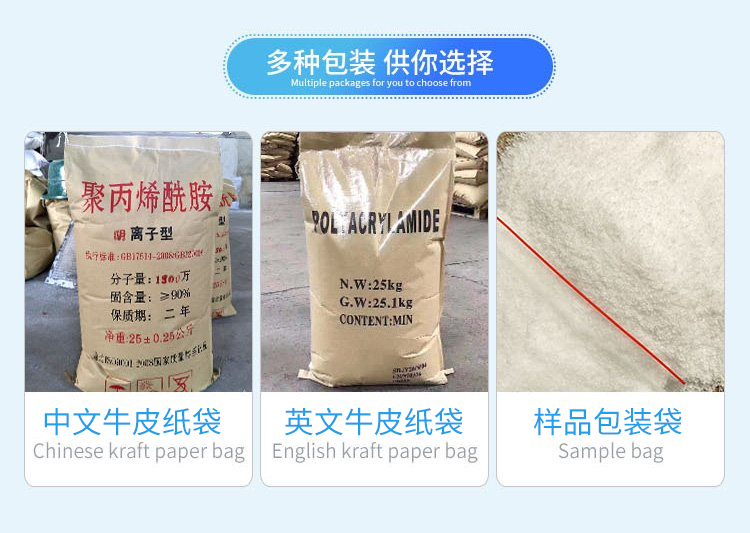
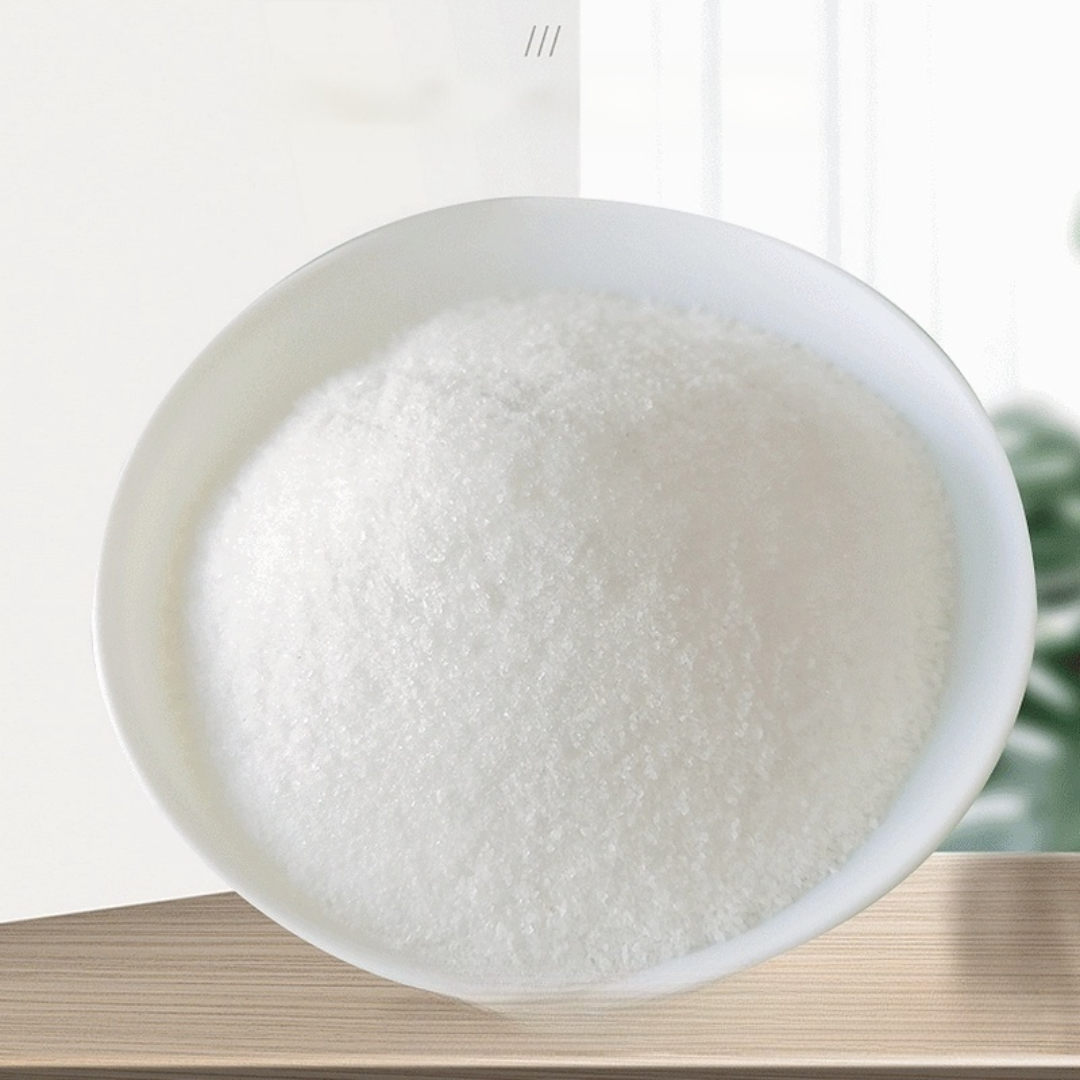
2. Polyacrylamide (PAM): Molecular weight 8-12 million, cationic degree 15%-30%, achieves rapid flocculation of coal powder particles through charge neutralization and bridging. Experimental data shows that under pH 6-9 and dosage 5-10 ppm conditions, the sedimentation speed can be increased to 1.8 times that of traditional reagents.
3. Aluminum Chloride Polymer (PAC): Aluminum oxide content ≥30%, basicity 60%-90%, forms poly-nuclear complexes after hydrolysis, removal rate for high turbidity wastewater (SS>5000mg/L) reaches over 95%, significantly reducing the subsequent filtration load.
Case Analysis: Review of Waste Water Treatment Project at a Japanese Coal Washing Plant
Project Background: The plant processes 2,000 tons of raw coal per day, and the original wastewater treatment system used traditional inorganic flocculants, resulting in the effluent SS exceeding the standard for a long time (>150mg/L) and requiring frequent backwashing of the filtration equipment. After introducing the Muerong technical solution in 2022, it was replaced with a PAC+PAM composite reagent combination, and a coconut shell activated carbon adsorption column was added.
Technical Parameters Adjustment: PAC dosing reduced from 120ppm to 80ppm, PAM optimized from 15ppm to 8ppm; activated carbon column empty bed contact time (EBCT) set at 15 minutes, flow rate 8m/h. After 3 months of operation, monitoring data show: the effluent SS stabilized below 30mg/L, COD removal rate increased from 45% to 72%, and chemical cost reduced by 23%.
Technical Advantages Summary: Applicable Scenarios and Long-term Value
The MuRong solution addresses the three major challenges in Japan's coal washing wastewater treatment: rapid sedimentation of high turbidity, deep removal of organic matter, and optimized operation costs. Its technical layout covers material selection, dosage control, and system integration, forming a full-process service capability from laboratory testing to on-site debugging. Currently, this technology has been applied to 5 coal washing enterprises in Japan's Kanto and Kyushu regions, reducing wastewater discharge by an average of 15% and extending the maintenance cycle to twice the original duration.
FAQ: Common Questions About Japanese Coal Slurry Waste Treatment
Q1: How to regenerate activated carbon after adsorption saturation?
A: Muerong offers thermal regeneration services, restoring over 90% of the activated carbon's adsorption capacity through high-temperature activation at 850℃, with a single regeneration cost of only 40% of new carbon.
Q2: Is the PAM reagent sensitive to water pH value?
A: Cationic PAM can stabilize flocculation within the pH range of 5-10, with the best effect observed at pH 7-8. The MuRong technical team offers free water quality testing to optimize dosing plans.
Q3: How to determine if the ratio of PAC to PAM is reasonable?
A: The optimal ratio can be determined through a beaker test, following the standard procedure: take 1000mL of wastewater → add PAC and stir for 3 minutes → add PAM and stir rapidly for 1 minute → let it settle for 15 minutes and then measure the turbidity of the supernatant. Muerong can provide the test reagents and operation guidance.