 Murong (Shanghai) International Trading Co., Ltd.
Murong (Shanghai) International Trading Co., Ltd.
Murong (Shanghai) International Trading Co., Ltd.
Murong (Shanghai) International Trading Co., Ltd.
Murong (Shanghai) International Trading Co., Ltd.
Introduction: Technical Challenges and Industry Demands in Japan's Coal Washing Wastewater Treatment
Japan's coal industry has strict wastewater treatment standards, requiring low suspended solids, low chemical oxygen demand (COD), and heavy metal ion removal. Traditional treatment processes have issues such as high chemical costs and large sludge production. Mufeng (Shanghai) International Trade Co., Ltd., with its professional accumulation in the water treatment material field, provides customized solutions for the Japanese market by integrating core technologies such as activated carbon adsorption and flocculation sedimentation.
Technical Analysis: Compatibility of Mu Rong Core Products and Technology
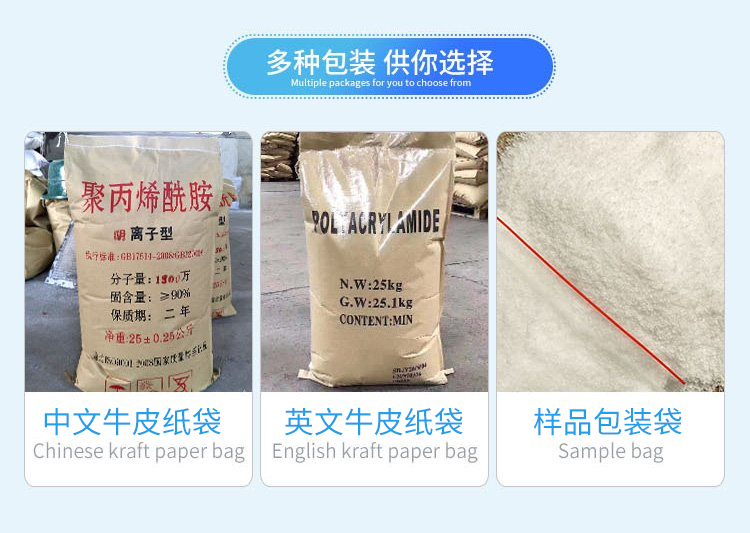
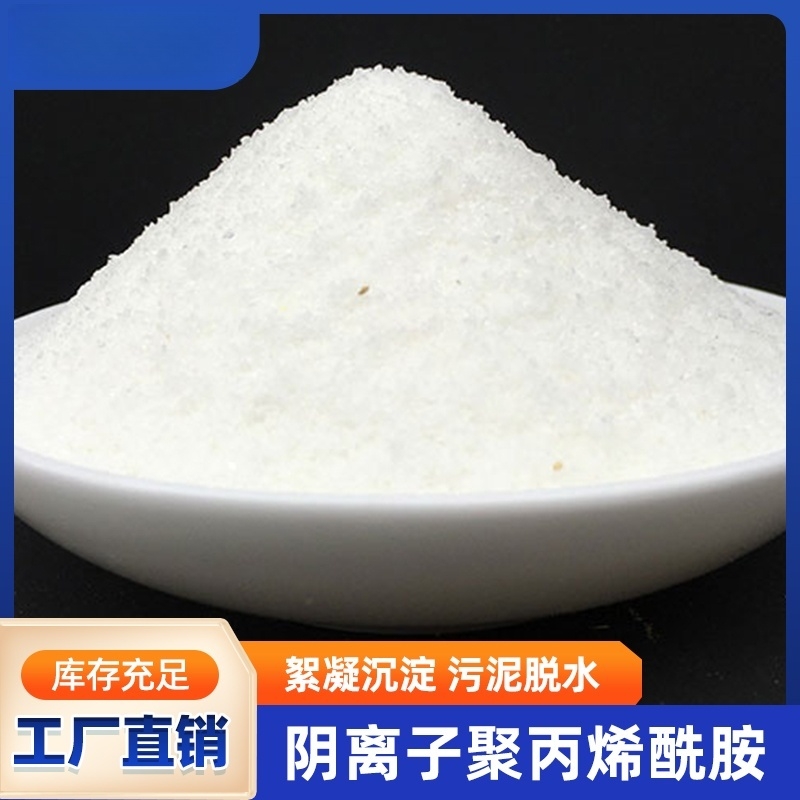
Mufeng specializes in coconut shell granular activated carbon (iodine value ≥1000mg/g), polyaluminum chloride (Al2O3 content ≥30%), and polyacrylamide (molecular weight 8-12 million). These three products form the "triple剑客" for wastewater treatment. The coconut shell activated carbon achieves efficient adsorption of heavy metal ions with its high specific surface area (1200-1500 m²/g). Polyaluminum chloride accelerates the aggregation of suspended solids through electro-neutralization, while polyacrylamide acts as a flocculant to enhance sludge dewatering efficiency. The synergistic effect of the three can reduce the COD value of wastewater by 40%-60% and achieve a suspended solids removal rate of over 95%.
Practical Steps: Waste Water Treatment Case of a Japanese Coal Washing Plant
STEP1: Pretreatment stage. Add polyaluminum chloride (50-80mg/L) to the wastewater pond, stir at 300rpm for 15 minutes to form initial coagulated flocs; STEP2: Deep adsorption. Introduce wastewater into an activated carbon adsorption tower (filling layer height 2.5m) through the pumping system, controlling the flow rate at 3-5m/h to ensure a contact time of ≥30 minutes; STEP3: Solid-liquid separation. Add polyacrylamide (2-5mg/L) to strengthen the floc structure, and use a belt press filter for dewatering, with the final sludge moisture content reduced below 60%. This process achieves the discharge standard of Japan's "Sewer Law," and reduces the cost of chemicals by 25% compared to traditional methods.
Technical Advantages and Industry Experience Summary
The Muerong team, through long-term service in the Japanese market, has accumulated three key experiences: Firstly, for high-salt wastewater, it is necessary to select salt-resistant polyacrylamide (ion strength 15%-30%); secondly, the regeneration cycle of activated carbon needs to be dynamically adjusted according to the quality of the incoming water (usually 6-12 months); thirdly, establishing an integrated service model of "chemicals-equipment-maintenance" can shorten the project debugging period by over 30%. Currently, its technical solutions have been applied to 5 coal washing enterprises in areas such as Hokkaido and Kyushu in Japan, with an annual waste water treatment capacity exceeding 2 million tons.
FAQ: Common Questions about Coal Washing Wastewater Treatment in Japan
Q1: How to handle activated carbon after adsorption saturation?
A: Muerong offers thermal regeneration service, restoring adsorption capacity through activation at a high temperature of 850℃, with a regeneration loss rate ≤10% and can be recycled 3-5 times.
Q2: Can aluminum chloride polymer and polyacrylamide be mixed for dosing?
A: The addition should be done in stages. First, add polyaluminum chloride to form floc nuclei, then after a 5-10 minute interval, add polyacrylamide to reinforce the floc, avoiding chemical competition and inhibitory effects.
Q3: How to deal with the decreased flocculation effect under low-temperature conditions?
A: Optional cationic polyacrylamide (molecular weight ≥10 million) can be used, and the reaction rate can be increased by heating the wastewater to 20-25℃.
Conclusion: Sustainable Development Path Driven by Technology
Muyong (Shanghai) International Trade Co., Ltd. has successfully broken through the technical barrier of Japanese coal washing wastewater treatment by adopting a triple strategy of "material optimization + process innovation + localized service." In the future, it will focus on directions such as nano-material modified activated carbon and intelligent dosing systems, continuously providing China's solutions for global industrial wastewater treatment.